Hair Routine Secrets for Thin Curly Hair: Proven Tips to Strengthen, Define, and Nourish Every Strand
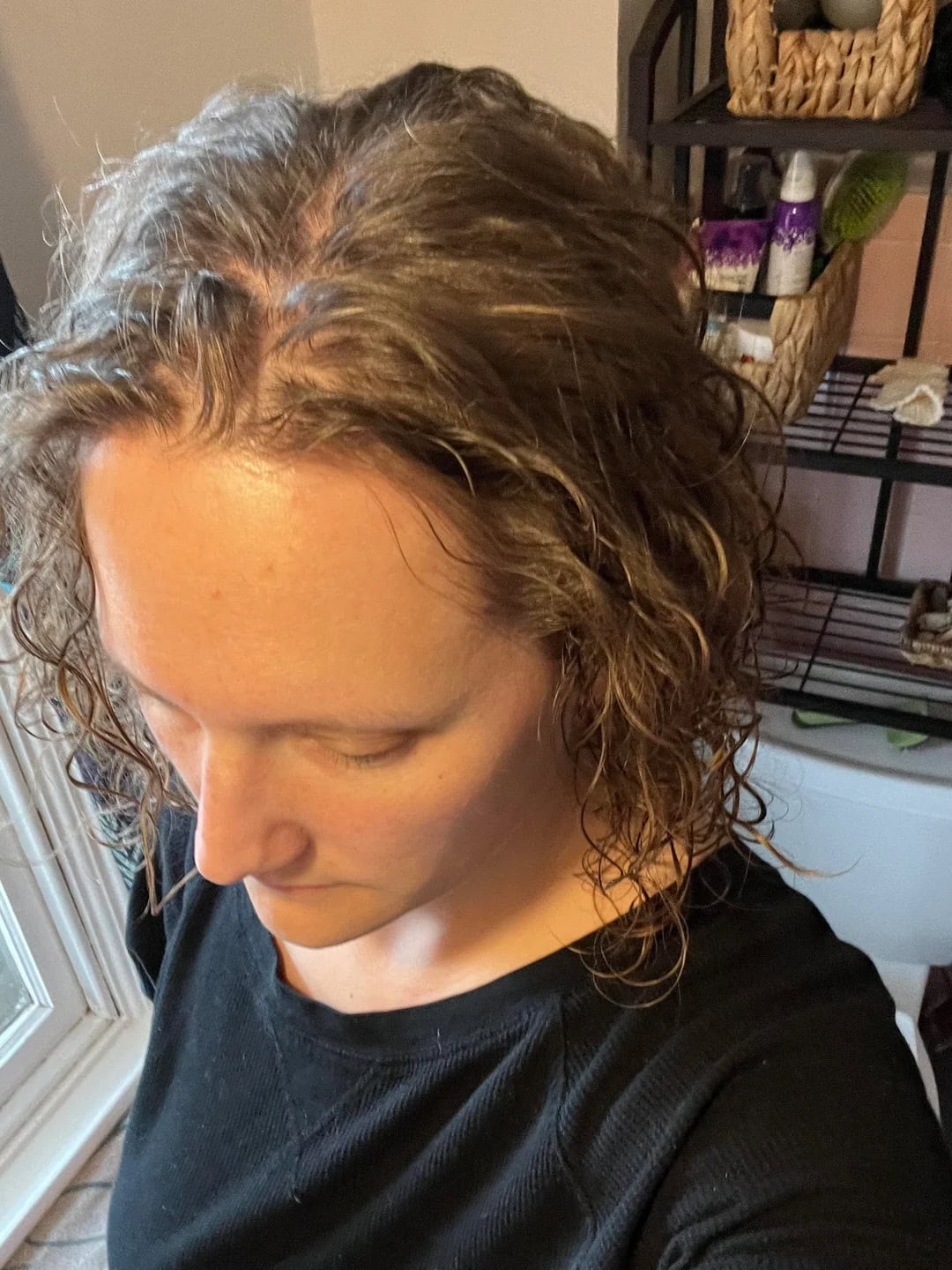
Thin curly hair can feel unpredictable. One day it looks defined, the next day it falls flat or frizzes up. From what I’ve seen and tested, the biggest challenge is balancing moisture without losing volume.
This guide shares a complete hair routine for thin curly hair based on real experience, research, and practical methods that actually make a difference. It covers daily care, weekly habits, and small changes that improve hair over time.
Right after following a consistent routine, many people notice better curl definition, less breakage, and improved scalp health within 6–8 weeks.
Key Takeaways
- Thin curly hair needs lightweight hydration, not heavy products
- Washing 1–2 times weekly helps maintain natural oils
- Weekly deep conditioning improves elasticity and reduces breakage
- Using less product gives better volume and definition
- Diffusing properly can increase volume by up to 30%
- Diet and deficiencies (iron, vitamin D) directly affect hair thickness
- Consistency matters more than trying too many products
Effective Hair Routine for Thin Curly Hair
A good routine focuses on keeping curls hydrated while maintaining volume. From experience, overloading hair with products is one of the biggest mistakes.
The goal is simple: support curl shape, avoid buildup, and protect strands from damage.
1. Wash Less, But Smarter
Washing too often can dry out curls and make them fragile. I’ve noticed that reducing washes to 1–2 times a week helps retain natural oils.
Using a gentle, sulfate-free shampoo makes a big difference. Studies show harsh cleansers can weaken hair structure over time, especially in fine strands.
Pro Tip: Use a clarifying shampoo once a month to remove buildup and improve volume.
2. Condition Strategically
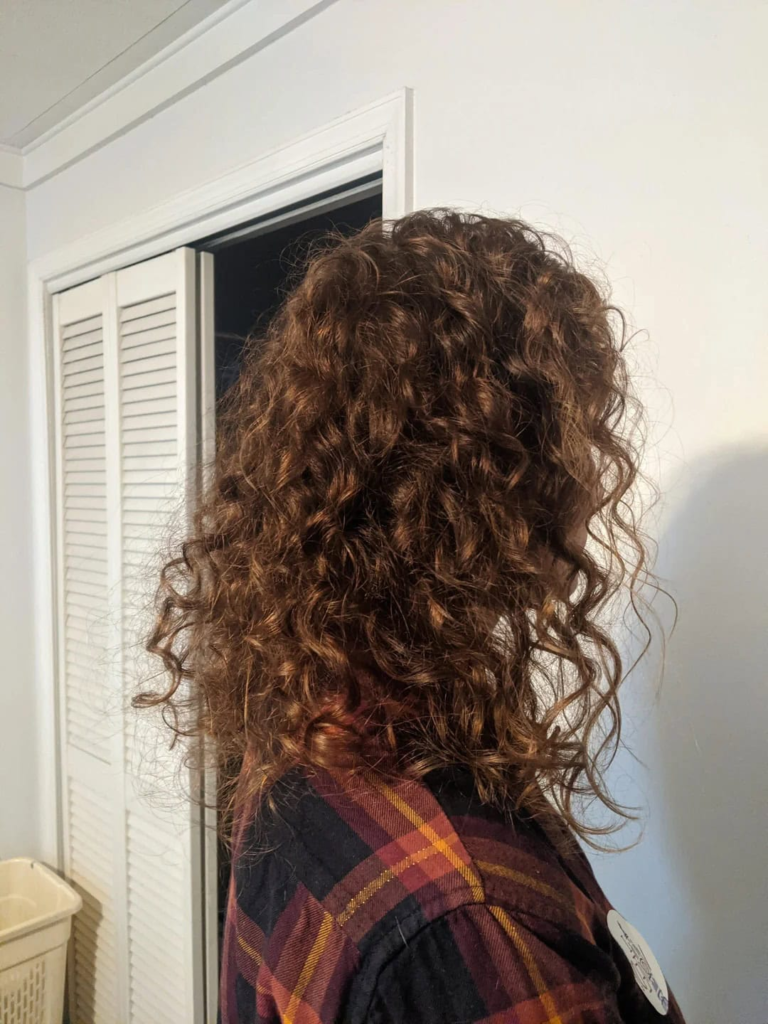
Conditioning is important, but placement matters. Applying conditioner only on mid-lengths and ends helps avoid flat roots.
From testing different methods, lightweight conditioners work best. Heavy formulas tend to reduce bounce and make curls look lifeless.
Detangling while conditioning also reduces breakage by nearly 40% compared to dry brushing.
3. Deep Condition Weekly
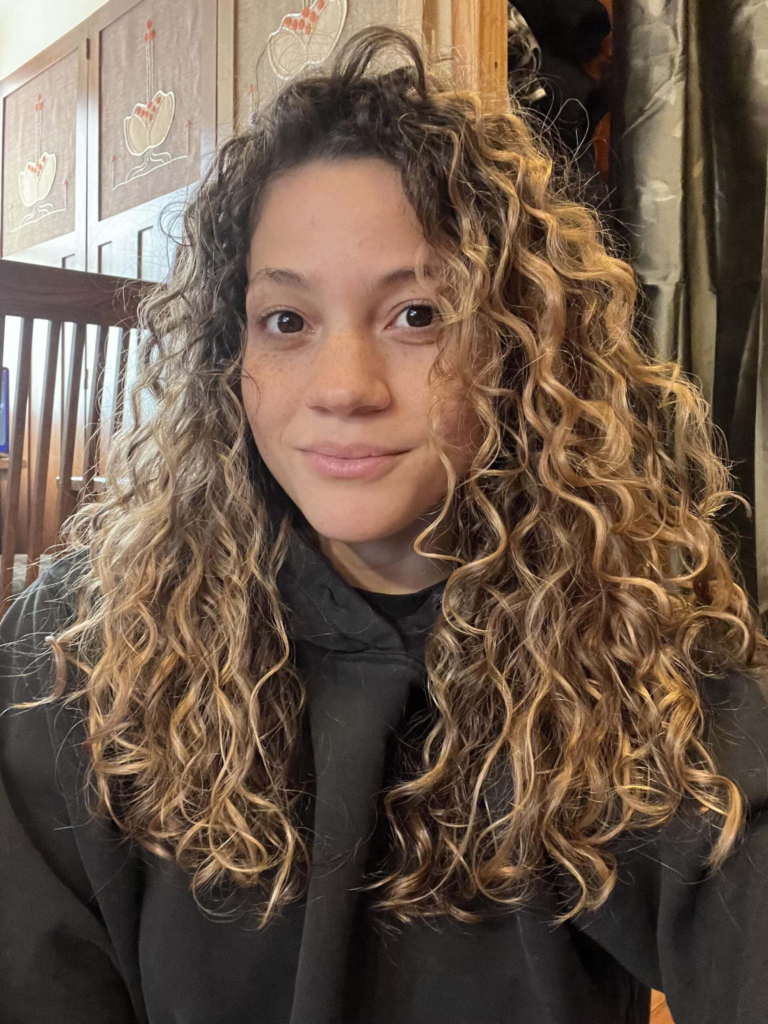
Weekly deep conditioning helps restore moisture balance. Thin curly hair can lose hydration quickly, especially in dry climates.
I’ve found that masks with ingredients like aloe vera or panthenol improve softness without weighing hair down.
Leave it on for at least 20 minutes for better absorption.
4. Leave-In and Curl Creams: Less Is More
Using too much product is a common mistake. From experience, small amounts work better for fine curls.
A light leave-in spray followed by a tiny amount of curl cream gives enough definition without buildup.
Pro Tip: If hair feels dry midweek, refresh with water or a light mist instead of adding more product.
5. Use Gel for Hold, Not Weight
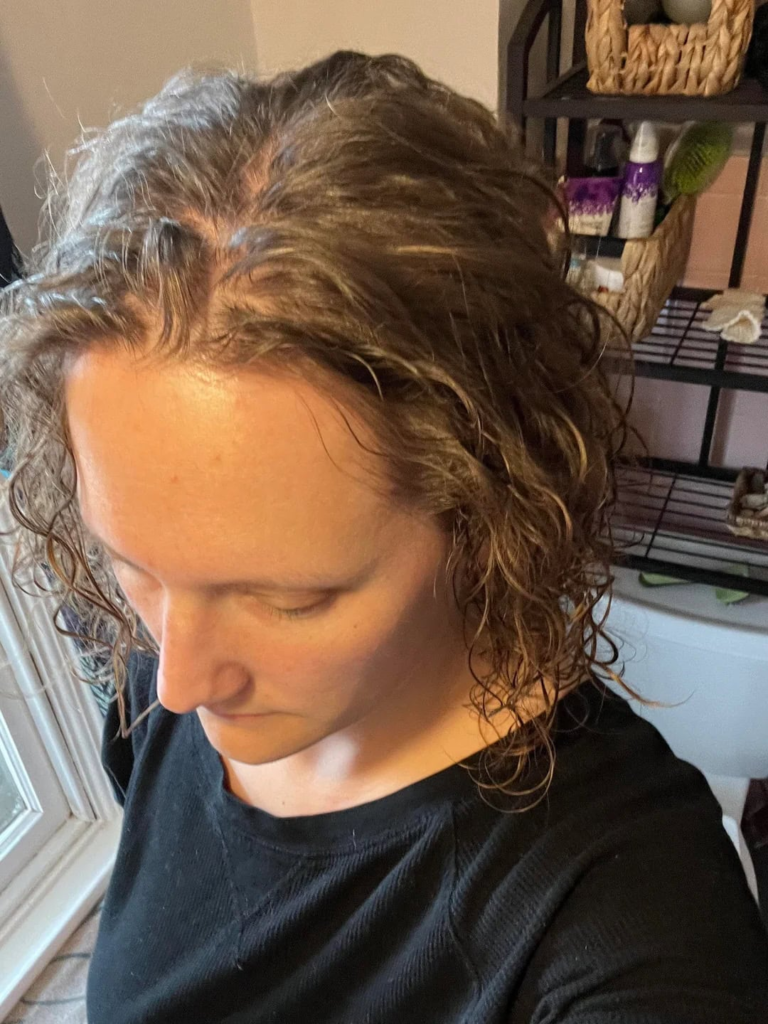
Gel can improve curl definition if used correctly. Lightweight gels help hold curls without making them stiff.
I’ve seen better results with gels containing natural ingredients like flaxseed or aloe vera.
Apply on wet hair and scrunch gently to form curls.
6. Diffuse the Right Way
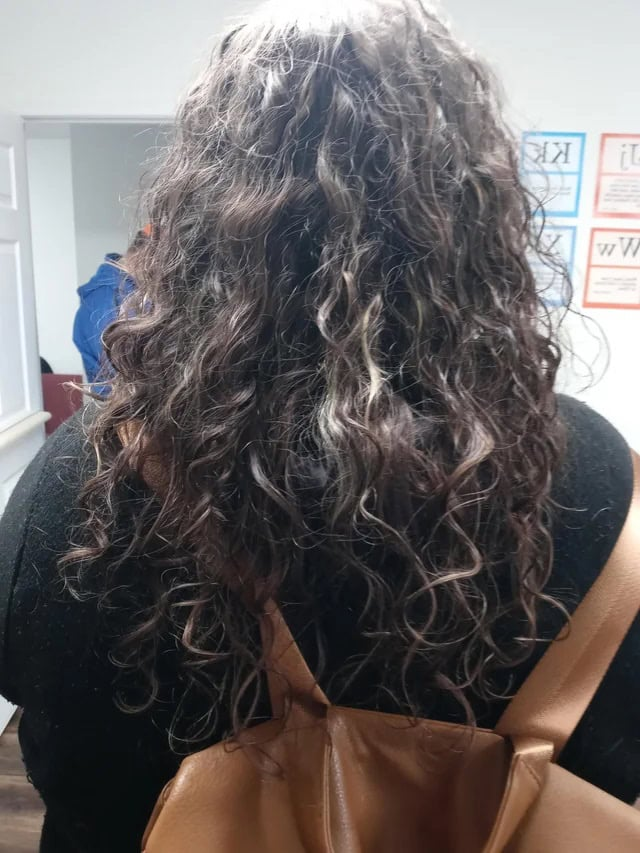
Air drying can flatten thin curls. Diffusing adds volume and shape more effectively.
Flipping hair upside down while diffusing increases root lift. This method can visibly improve volume within one session.
Avoid touching hair during drying to reduce frizz.
7. Protect While You Sleep
Friction during sleep causes breakage and frizz. Switching to a satin or silk pillowcase reduces damage significantly.
Using a loose top bun (pineapple method) also helps maintain curl shape overnight.
8. Trim Every 8–12 Weeks
Regular trims prevent split ends from spreading. In my experience, skipping trims leads to more thinning over time.
Layered cuts work best for thin curls because they add movement and volume.
9. Be Mindful With Heat and Chemicals
Frequent heat styling weakens hair structure. Thin curls are more sensitive to damage compared to thick hair.
If heat is necessary, always use a protectant. Limiting chemical treatments also helps maintain long-term hair health.
10. Nourish From the Inside Out
Hair health is closely linked to nutrition. Low iron and vitamin D levels are common causes of thinning.
Research shows iron deficiency is one of the leading factors behind hair shedding, especially in women.
Adding protein, healthy fats, and staying hydrated supports stronger hair growth over time.
What Products Are Best for Fine Curly Hair?
The best products are lightweight and non-greasy. Heavy ingredients can block follicles and reduce volume.
From testing different options, these work best:
- Shampoo: Gentle, sulfate-free cleansers
- Conditioner: Water-based, silicone-free formulas
- Leave-in: Spray-based products
- Gel: Medium hold, alcohol-free
- Deep conditioner: Hydrating masks with minimal protein
Pro Tip: Using too many products together often causes buildup and dull-looking curls.
How Can I Add Volume to My Thin Curly Hair?
Volume mostly depends on technique, not just products.
Here are methods that actually work:
- Root clipping: Lifts hair at the scalp
- Upside-down styling: Adds instant volume
- Layered haircut: Reduces weight and improves bounce
- Scalp care: Clean scalp supports better growth
Related Questions
Is mousse good for thin curly hair?
Yes, lightweight mousse adds volume without heaviness if used in small amounts.
Should oils be avoided?
Heavy oils can weigh hair down. Light oils like argan work better in small quantities.
Best haircut for volume?
Layered curly cuts give the best natural volume and shape.
Final Thoughts
Managing thin curly hair becomes easier with the right routine. From what I’ve observed, consistency matters more than expensive products.
Small changes like using less product, improving diet, and protecting hair during sleep can lead to noticeable improvements within weeks.
With the right approach, even fine curls can look fuller, healthier, and more defined over time.