
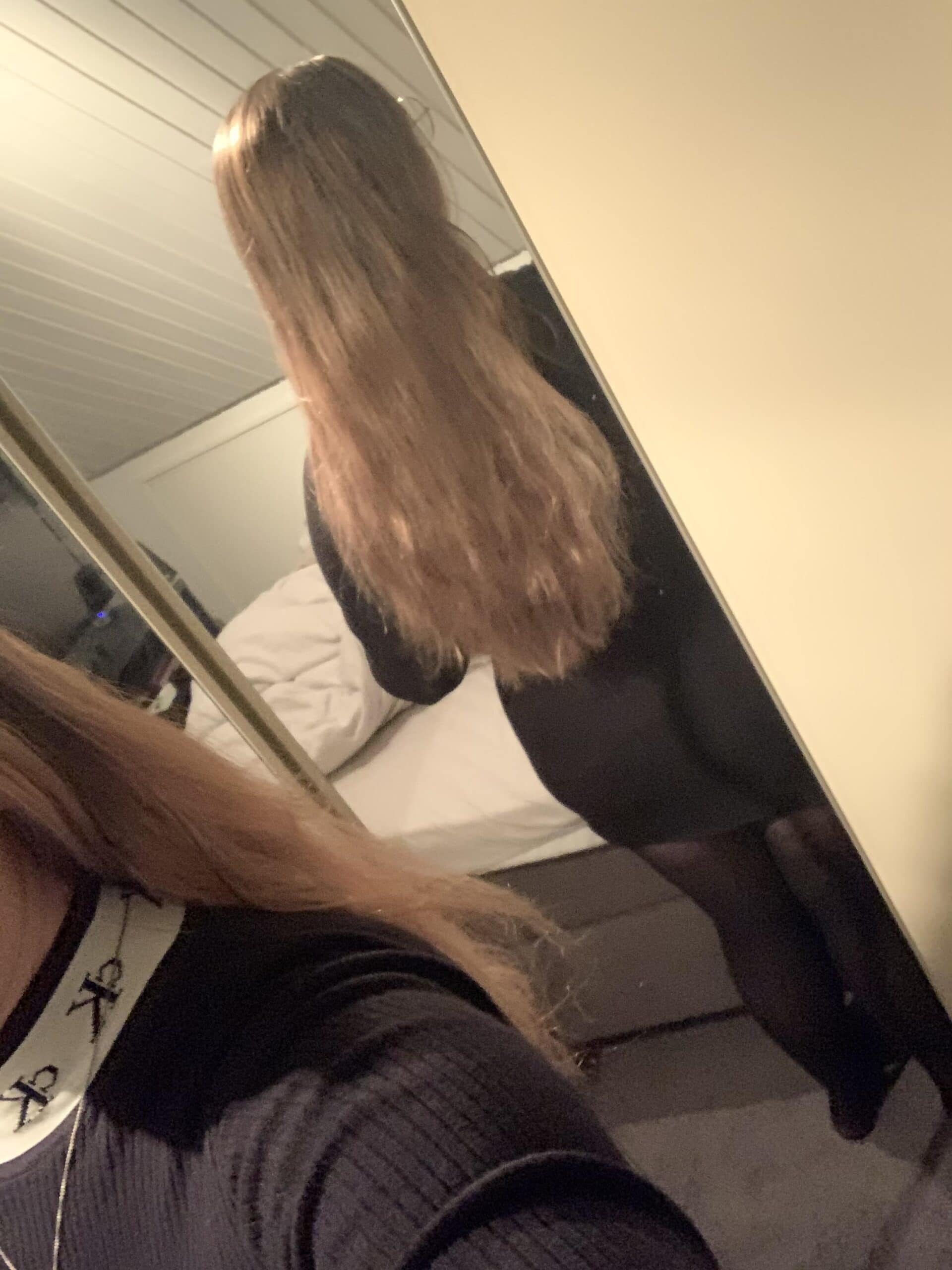
How to Sleep With Fine Hair the Right Way: Bedtime Habits That Prevent Breakage and Boost Volume
how to sleep with fine hair Getting sleep should not damage hair, but with fine strands, that’s exactly what happens without the right routine. I’ve seen how quickly fine hair loses shape overnight — flat roots, tangles, and visible shedding by morning.
Fine hair is naturally thinner in diameter, which makes it more fragile. Research shows the average person sheds 50–100 hairs daily, and with fine hair, this looks more noticeable. Small mistakes at night can increase breakage and oil spread.
The good part is simple changes work. A few smart habits before bed can protect strands, reduce friction, and even improve volume by morning.
Quick Summary
This guide explains how to sleep with fine hair using simple habits that reduce breakage and maintain volume. It covers pillowcase choices, protective styles, moisture care, scalp health, and overnight routines backed by practical tips.
Key Takeaways
- Silk or satin pillowcases reduce friction and breakage
- Never sleep with wet hair — it weakens strands
- Loose styles protect hair better than leaving it open
- Lightweight products help without flattening roots
- Clean fabrics prevent oil buildup and scalp issues
- Small bedtime habits improve long-term hair strength
How to Sleep With Fine Hair the Smart Way
Fine hair needs extra care at night because it flattens faster and breaks more easily. I’ve noticed that ignoring nighttime care leads to dull, lifeless hair the next day.
A proper sleep routine supports volume, reduces oil spread, and keeps strands stronger over time. Consistency matters more than expensive products here.
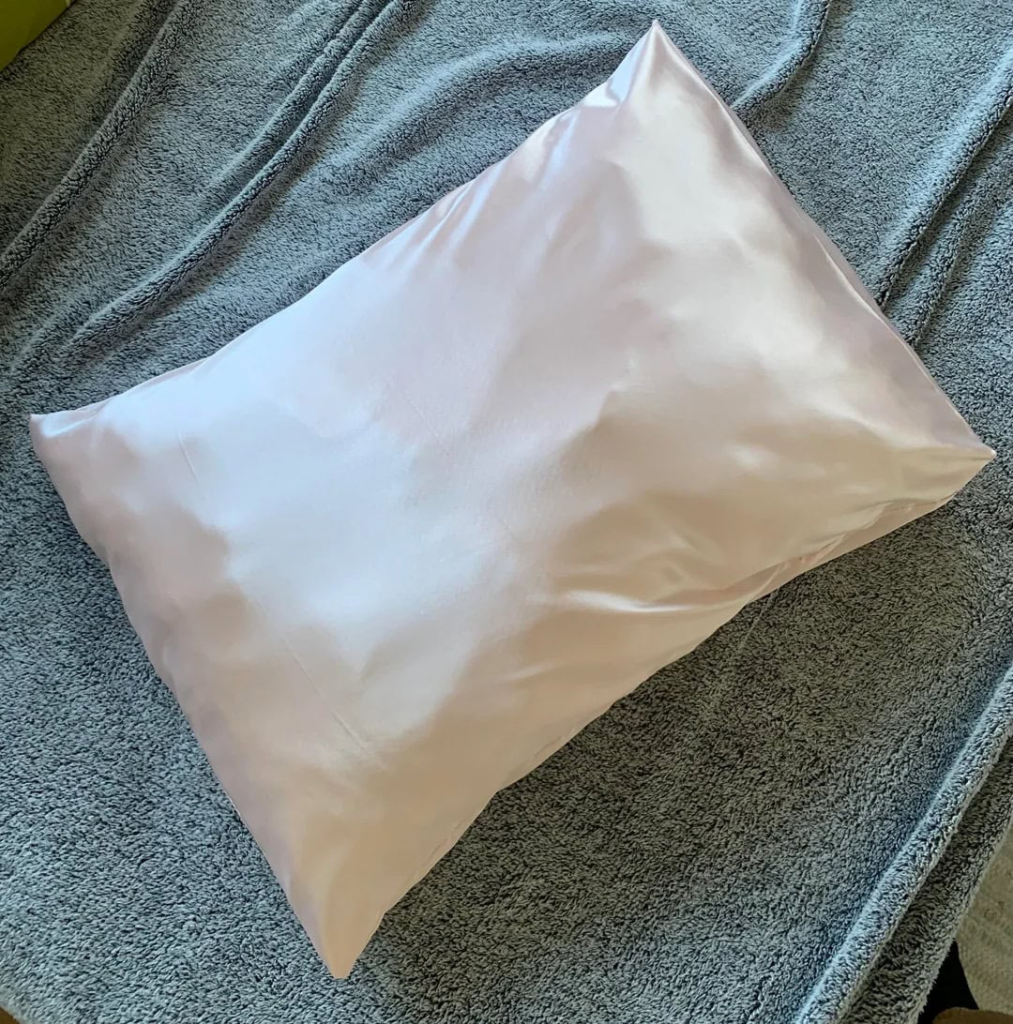
1. Choose the right pillowcase material
The surface you sleep on directly affects hair health. Cotton creates friction, which roughs up the cuticle and leads to frizz and breakage.
Switching to silk or satin reduces friction significantly. Studies show smoother fabrics help minimize mechanical damage during sleep.
Pro Tip: Silk also helps retain natural moisture, which keeps fine hair from drying out overnight.
2. Avoid going to bed with wet hair
Wet hair stretches more and breaks faster. Research in hair science confirms wet strands are at their weakest state.
Sleeping with damp hair can also trap moisture on the scalp, leading to irritation or buildup.
Pro Tip: If washing at night, fully dry hair on low heat and always use a heat protectant.
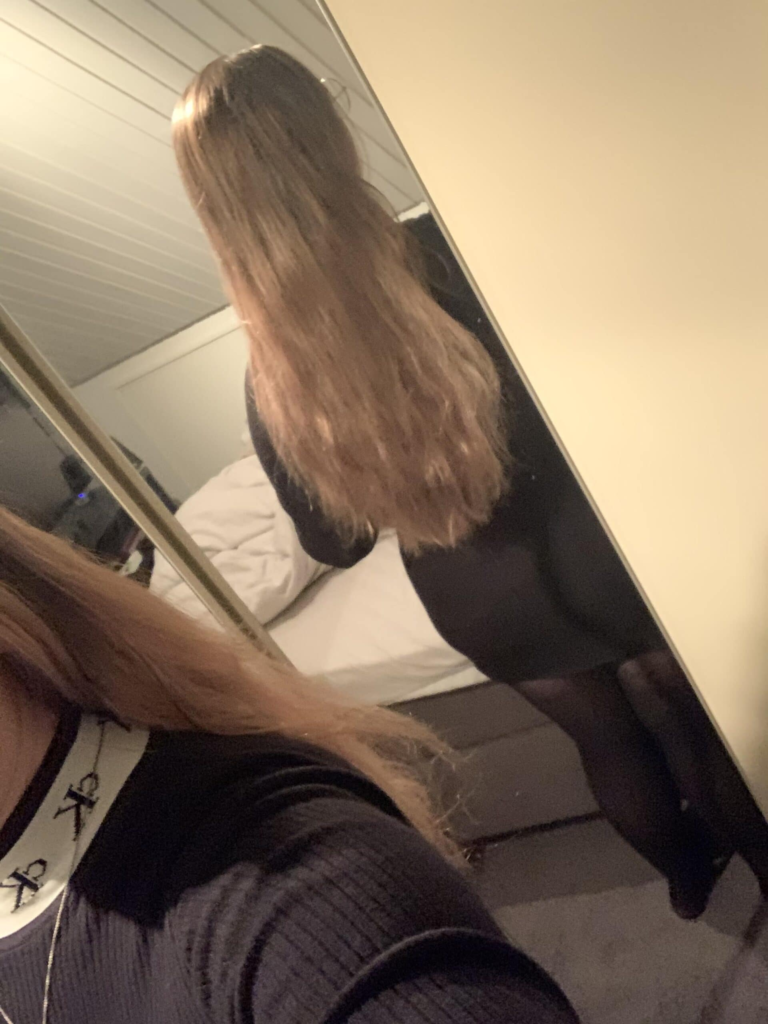
3. Use protective hairstyles to minimize damage
Leaving hair loose often leads to knots and breakage. I’ve found loose styles work best for controlling movement during sleep.
A loose braid or low bun keeps strands in place without pulling roots.
Pro Tip: Use a silk scrunchie instead of elastic bands to avoid tension marks and breakage.
4. Apply a light leave-in or overnight treatment
Fine hair still needs hydration, but heavy products can ruin volume. Lightweight formulas work better.
Ingredients like panthenol, keratin, and biotin help strengthen strands without adding weight.
Pro Tip: Apply only a small amount — too much product makes hair greasy by morning.
5. Sleep with your hair lifted off the scalp
Flat roots are a common issue with fine hair. Lifting hair slightly while sleeping helps maintain volume.
A loose high bun or “pineapple” method keeps roots from being pressed down.
Pro Tip: This trick reduces the need for heat styling in the morning.
6. Clean your pillowcases and hair wraps frequently
Dirty pillowcases transfer oil and buildup back to your hair. Fine hair gets greasy faster, so this matters more.
Experts recommend washing pillowcases at least once per week.
Pro Tip: If your hair gets oily quickly, change pillowcases every 3–4 days.
7. Protect your ends from split ends and tangling
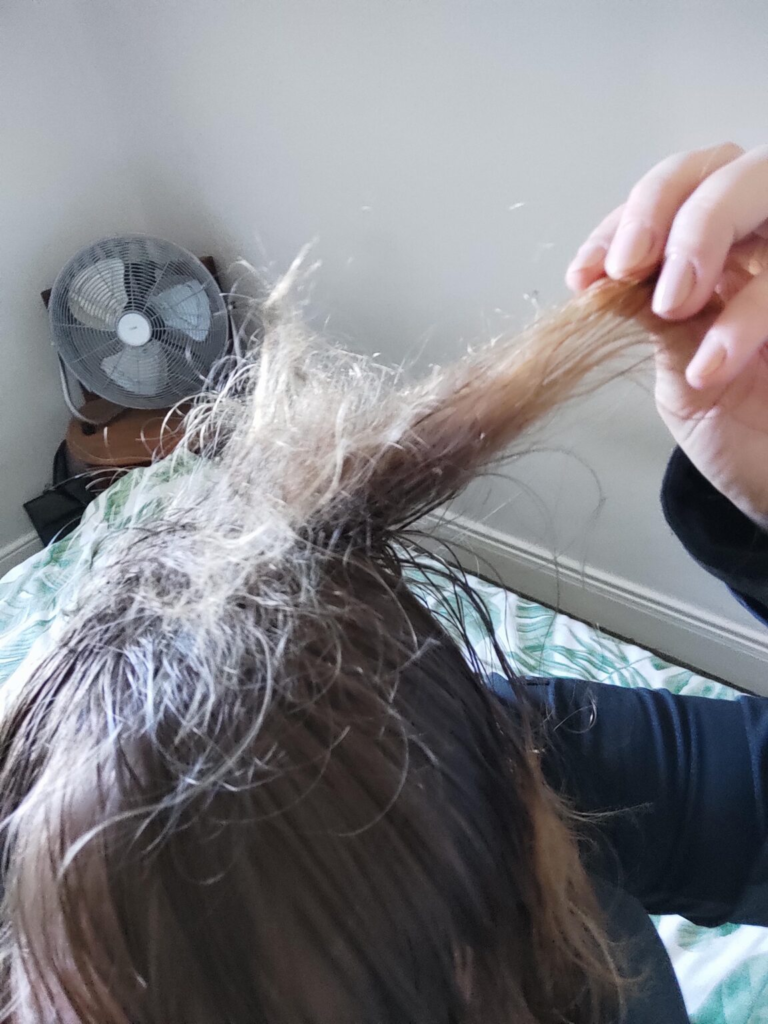
The ends are the weakest part of fine hair. Without care, they dry out and split easily.
Applying a tiny amount of light oil like argan or squalane helps lock in moisture.
Pro Tip: Always tuck ends into your braid or bun to reduce friction.
8. Be mindful of overnight tension on your scalp
Tight hairstyles can cause stress on hair follicles. Over time, this can lead to thinning.
Fine hair is less dense, so tension affects it faster.
Pro Tip: If your scalp feels sore in the morning, your style is too tight.
9. Upgrade your bedtime habits for better overall hair health
Your environment also affects your hair. Dry air increases static and brittleness.
Using a humidifier can improve moisture levels, especially in dry seasons.
Pro Tip: Avoid rushing your routine — give hair time to dry and settle before sleep.
Best Nighttime Hairstyles for Thin or Delicate Hair
The goal is to protect hair without adding stress. Simple styles work best.
Loose Braids
They reduce tangles and create soft waves without heat.
Silk Hair Wraps
They protect strands from friction and keep moisture locked in.
Loose Top Knot or Pineapple Bun
Helps maintain volume at the roots.
French Rope Twist
Creates natural waves while keeping hair secure.
Additional Tips for Sleeping With Fragile Hair
Small habits make a big difference over time.
Should you brush your hair before bed?
Yes, but gently. It helps distribute natural oils and remove tangles.
Do hair growth products work better at night?
In some cases, yes. The scalp is more relaxed, which may improve absorption.
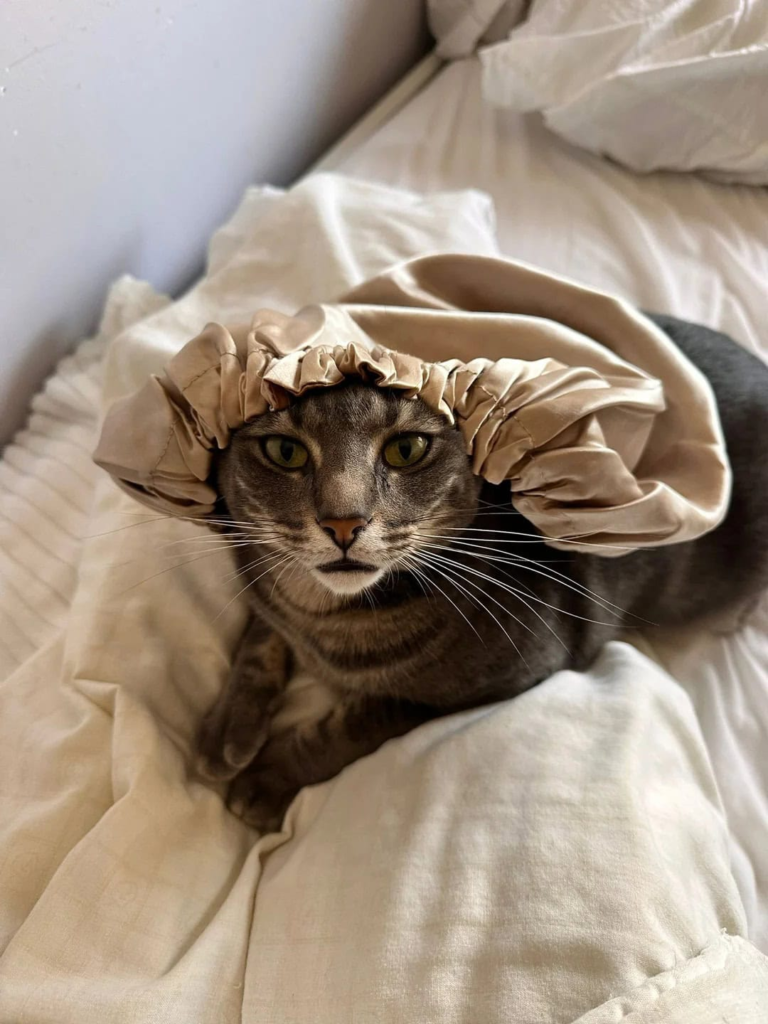
Can wearing a bonnet help fine hair grow?
It doesn’t directly increase growth but reduces breakage, which supports length retention.
Final Thoughts and FAQs on Nighttime Hair Care
A proper nighttime routine can completely change how fine hair looks and feels. I’ve seen that small changes like switching pillowcases or using loose styles bring noticeable results within weeks.
The focus should always be on reducing friction, avoiding tension, and keeping moisture balanced.
Should I use dry shampoo before bed or in the morning?
Using it at night works better. It absorbs oil while you sleep and adds volume.
How often should I wash fine hair?
Every 2–3 days works for most people, depending on oil levels.
Is sleeping on your back better for your hair?
Yes, it reduces pressure and friction compared to side sleeping.
With the right habits, fine hair becomes easier to manage. Nighttime care is not complicated — it just needs to be consistent and intentional.