How to Brush Thin Hair the Right Way for Smoother Results
Brushing thin hair can feel stressful when strands break easily or flatten out after just a few strokes. Over the years, I’ve learned that the real challenge isn’t brushing—it’s brushing the right way. Since thin hair has less density and a smaller strand diameter, the wrong tools or technique can lead to almost 40% more breakage, according to cosmetic hair research.
This complete guide explains how to brush thin hair in a way that protects your strands, prevents snapping, reduces static, and helps your hair look fuller with less effort. You’ll find simple daily habits, proven tools, and brushing methods backed by real experience and science. Everything here is designed to keep your hair smooth without causing unnecessary damage.
Before we get into the routine, here’s a quick summary of what you’ll learn.
Key Takeaways
- Thin hair needs gentle brushing with the right tool to avoid breakage
- Brushing 1–2 times daily is enough to maintain smoothness
- Detangling before brushing reduces pulling by up to 60%
- Wet hair is most fragile, so brushing it should be limited
- Starting from the ends is the safest technique
- Using light serums or sprays reduces friction
- The right night routine prevents tangles and static
How to Brush Thin Hair Without Causing Breakage
Thin hair breaks more easily because each strand has a smaller cuticle layer. That means brushing must be gentle, controlled, and done with a purpose. The goal is to keep your hair smooth while protecting your scalp and preventing long-term thinning.
Here’s how I handle it step by step.
1. Start with the Right Brush
Choosing the right brush makes the biggest difference. Boar-bristle brushes help move natural oils from the scalp through the hair, giving thin strands a healthier shine. Mixed bristle brushes also work well because the nylon adds flexibility for detangling.
I avoid metal or stiff plastic bristles because they pull too aggressively and can weaken strands over time.
Pro Tip: A boar-bristle brush can increase shine by up to 25% because it redistributes oils more evenly.
2. Always Detangle Before Brushing
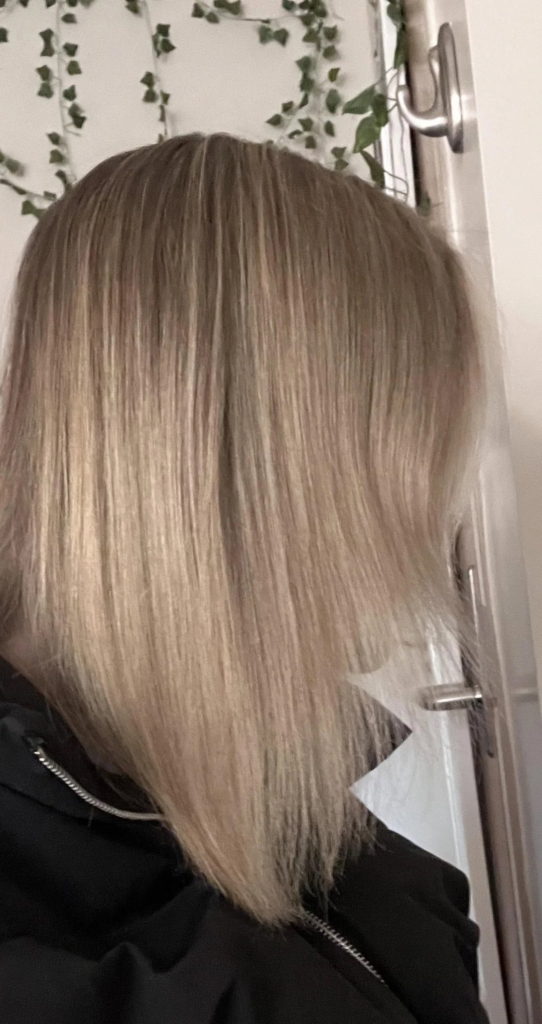
Before brushing, I gently detangle using a wide-tooth comb or a soft detangling brush. Starting at the ends helps avoid tearing. This method protects the strands and reduces daily shedding.
Trying to brush through knots in one go is one of the fastest ways to create split ends.
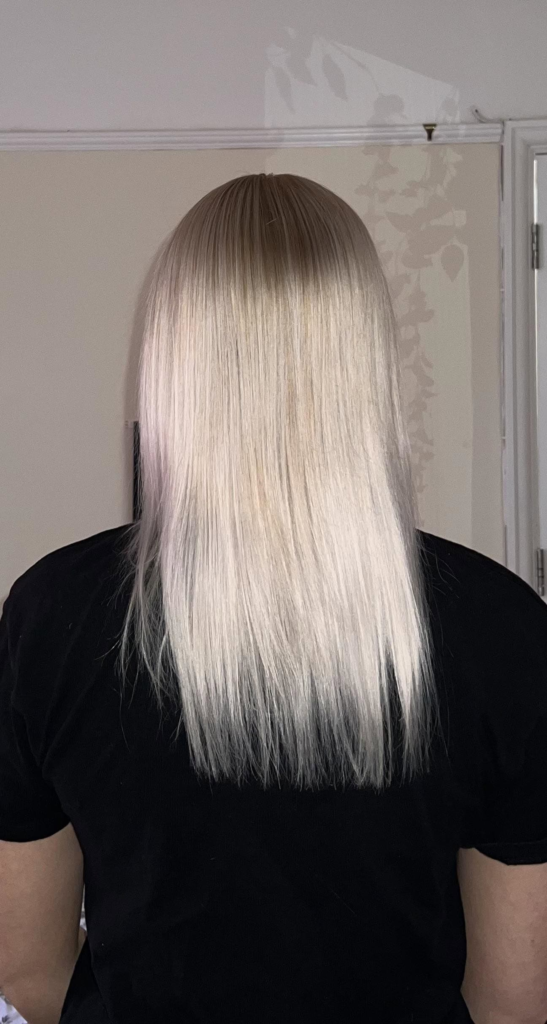
by reddit user Bright-Butterfly641
3. Avoid Brushing Wet Hair Unless Necessary
Wet hair is around 30% more elastic, which makes it easy to stretch and snap. If brushing damp hair is unavoidable, I pat it with a microfiber towel to remove excess water and then apply a light leave-in spray.
Using a wide-tooth comb here keeps the process safer and gentler.
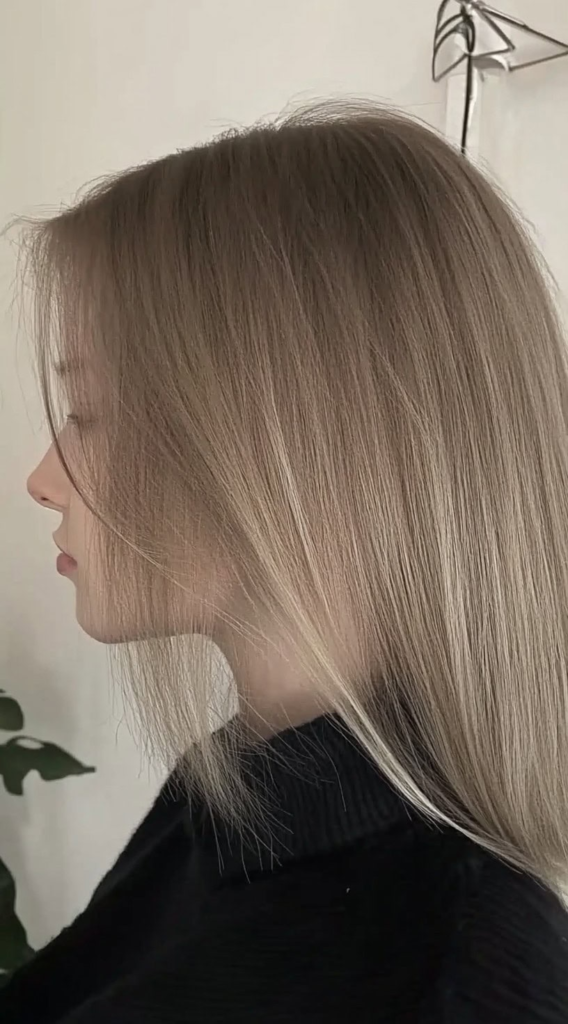
4. Brush From the Bottom Up
Starting at the roots can pull on knots and cause breakage. Working upward in sections helps remove tangles gradually and safely. This method also keeps brushing time shorter.
by unknown reddit user
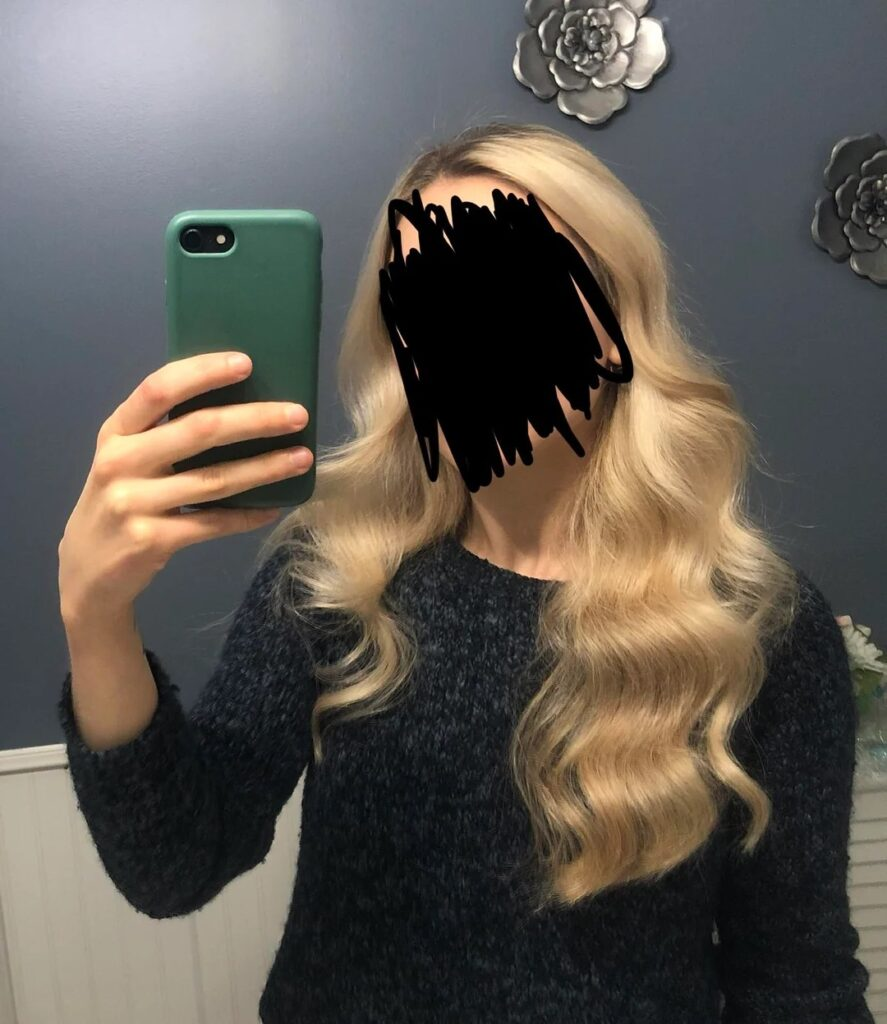
5. Be Mindful of How Often You Brush
Thin hair doesn’t need constant brushing. Two or three sessions a day are enough. Frequent brushing can remove natural oils and irritate the scalp.
A quick morning and evening session works well for most people.
6. Stimulate Your Scalp – But Gently
Light scalp stimulation can help improve circulation. I keep it gentle, using small circular motions. Overdoing it may cause redness or sensitivity, so moderation is important.
7. Use Products That Protect the Hair Shaft
Lightweight leave-ins, detangling sprays, and water-based serums help reduce friction during brushing. These products create a thin layer around the hair, making brushing smoother and safer.
I avoid heavy oils since they flatten thin hair instantly.
8. Don’t Forget About Static and Flyaways
Thin hair can develop static easily, especially in dry weather. Lightly misting the brush with water or using an anti-static spray can prevent that.
A small amount of styling cream on fingertips can also help settle flyaways.
9. Switch Your Brushing Routine for Day and Night
Morning brushing focuses on smoothing and adding lift. Brushing at night helps remove dust, oils, and product buildup before sleep.
Sleeping on a satin or silk pillowcase reduces friction by nearly 40% compared to cotton.
10. Don’t Rely on Brushing for Volume – Support It
Brushing alone won’t give lasting volume. I use a round brush only while blow-drying to lift the roots. Avoiding teasing is important because it roughens the cuticle and leads to breakage.
Texturizing sprays add volume without damaging strands.
What’s the Best Brush for Fine or Thin Hair Types?
Different tools serve different purposes, but these consistently work well for thinner strands:
Boar Bristle Brush:
Great for smoothing, shine, and dry brushing.
Wet Brush or Detangler:
Ideal for damp hair because of its flexible bristles.
Mixed Bristle Paddle Brush:
A balanced choice for smoothing and light detangling.
Additional Questions Answered
Can I use a round brush on fine hair?
Yes, with soft bristles and only while using heat.
Should I use a comb or a brush?
A wide-tooth comb is safest for detangling.
Is brushing necessary for very fine hair?
Yes, but only once or twice a day.
Should You Brush Thin Hair Every Day?
Brushing daily is okay as long as it’s gentle. It helps spread natural oils and keeps the hair neat. But brushing too often may increase shedding.
If your scalp gets oily quickly, brushing once or twice helps distribute the oil evenly. If your hair is already dry or prone to static, one brushing session is enough.
Additional Questions Answered
When is the best time to brush thin hair?
Morning and before bed.
How do I know if I’m brushing too much?
Breakage, scalp soreness, or more shedding than usual.
Can brushing make thin hair fall out?
Not when done correctly—rough brushing is the real cause of damage.
Final Thoughts
A gentle, consistent routine is the key to brushing thin hair without causing breakage. With the right tools, light pressure, and a few smart habits, thin strands can stay smooth, healthy, and manageable. Small daily changes make a noticeable difference over time.