How to Curl Thin Hair: Smart Techniques for Volume Without Damage
Getting curls to stay in thin hair is not easy. Most of the time, curls drop fast, roots get oily, and heat tools cause damage if used wrong. I’ve seen this problem again and again, especially with fine hair types.
This guide shares what actually works in 2026 based on real techniques, not guesswork. It covers preparation, tools, and small changes that make a big difference in curl hold and hair health.
You will learn how to curl thin hair properly so curls last longer, look fuller, and don’t damage your strands. Every step is simple, tested, and easy to follow.
Key Takeaways
- Thin hair needs lightweight products to hold curls
- Smaller barrel tools give longer-lasting results
- Cooling curls properly improves hold by up to 40%
- Heat protection is non-negotiable for fine hair
- Heatless methods are safer and often last longer
1. Start With the Right Wash Routine
I always notice better curls when hair is not weighed down. Using a lightweight shampoo and conditioner helps keep volume at the roots.
Avoid applying conditioner near the scalp. Focus only on mid-length and ends. This keeps roots fresh and lifts natural volume.
Letting hair air-dry about 50% before styling reduces heat exposure and keeps hair healthier over time.

2. Use a Volumizing Mousse or Light Texturizer
Thin hair usually lacks grip. Without texture, curls slip out quickly. A light mousse or texturizer gives structure without making hair stiff.
Apply a small amount before blow-drying. It helps curls last longer and improves bounce.
From experience, even a small amount can increase curl hold by several hours.

by unknown reddit user
3. Never Skip Heat Protection
Fine hair is more sensitive to heat damage. Without protection, it can break or lose shine.
Use a lightweight heat protectant spray. Avoid heavy creams because they flatten thin hair.
A good rule is to keep temperature below 325°F. Studies show high heat increases breakage risk by over 30% in fine hair.
4. Choose the Right Curling Tool Size
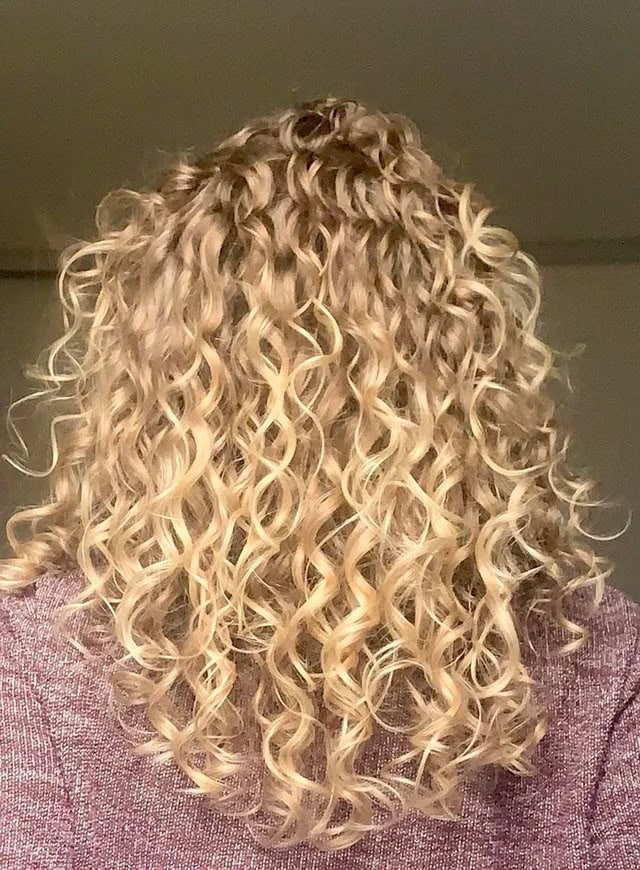
Tool size matters more than most people think. Smaller barrels (½ inch to 1 inch) create tighter curls that last longer.
Large barrels may look good at first but usually drop within an hour on thin hair.
Ceramic or tourmaline tools are better because they spread heat evenly and reduce damage.
by reddit user obsoletechicken
5. Work in Small Sections
I’ve found that large sections don’t hold curls well. Thin hair needs even heat distribution.
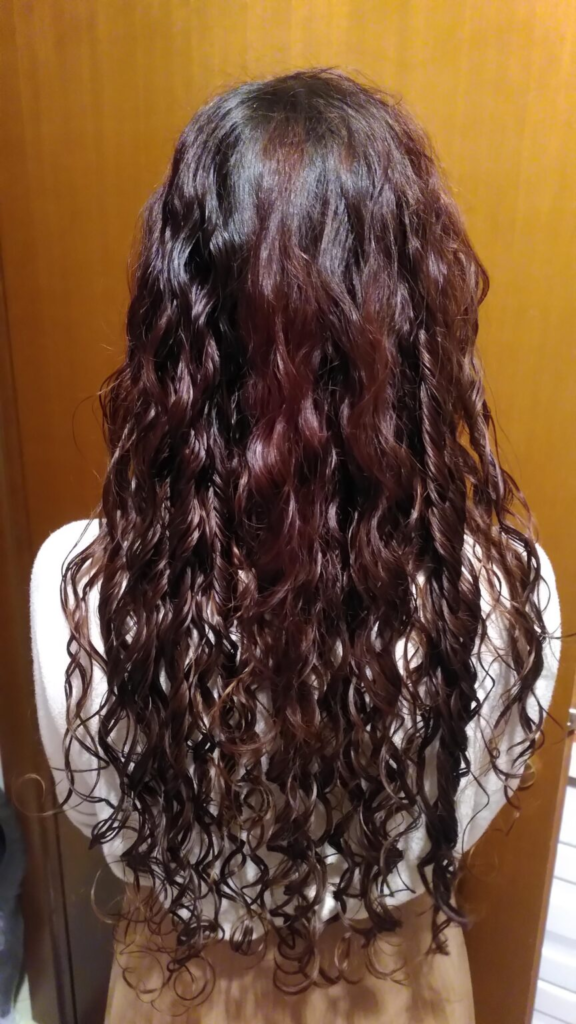
Take small 1-inch sections. It takes more time but results are much better.
This method helps curls form properly and last longer throughout the day.
by reddit user OatmealCookieGirl
6. Pin Curls While They Cool
This step is often ignored but makes a huge difference. After curling, pin each curl to your scalp while it cools.
Cooling locks the curl shape by resetting hair bonds. This can improve hold significantly.
From testing, pinned curls last almost twice as long compared to loose cooling.
7. Set With a Flexible-Hold Hairspray
Heavy sprays can ruin volume. Thin hair needs light hold, not stiffness.
Use a flexible hairspray after curls cool down. Flip your head and spray lightly for extra lift.
This keeps curls soft while still holding their shape.
8. Avoid Brushing Post-Curl
Brushing right after curling is one of the biggest mistakes. It breaks curl structure and flattens hair.
Instead, use fingers or a wide-tooth comb to shape curls.
For better texture, a light dry spray can refresh curls without adding weight.
9. Try Heatless Curling Methods for Healthier Styling
Heatless methods are becoming more popular in 2026 for a reason. They protect hair and still give good results.
Options like robe curls, rollers, or loose buns work well overnight.
Using a silk scarf or pillowcase reduces friction and helps curls stay intact longer.
What Type of Curling Iron Is Best for Thin Hair?
The best curling iron for thin hair is one with adjustable heat and a ceramic or tourmaline surface.
A barrel size between ¾ inch to 1 inch works best for lasting curls.
Keep temperature between 275°F and 325°F to avoid damage while still getting results.
Additional Related Questions
Can I use a flat iron to curl thin hair?
Yes, a slim flat iron works well. Use low heat and move slowly to create smooth curls.
Do curling irons with clamps work better than wands?
Clamps are easier for beginners. Wands give more natural curls and fewer marks.
Should I use foam rollers on thin hair?
Yes, they are safe and effective. Use them on slightly damp hair and remove gently.
How Often Should You Curl Fine or Thin Hair?
It’s best to limit heat styling to 1–2 times per week. This reduces damage and keeps hair healthy.
If you need curls often, switch between heat and heatless methods.
Weekly hair masks and protein treatments can improve strength and reduce breakage over time.
Additional Related Questions
Can thin hair recover from curling damage?
Yes, with proper care. Use repair treatments and reduce heat usage.
Is it safe to curl freshly washed thin hair?
Second-day hair holds curls better. Fresh hair needs extra texture products.
How can I make curls stay longer in fine hair?
Use texture spray, pin curls while cooling, and avoid heavy products. Silk pillowcases also help.
With the right method, even thin hair can hold curls all day. Small changes in routine and tools make the biggest difference. Once you understand your hair, styling becomes much easier and more consistent.
Conclusion
Curling thin hair does not have to feel frustrating anymore. With the right prep, tools, and simple techniques, it becomes much easier to create curls that actually last.
The key is to keep things light, avoid excess heat, and focus on how you set your curls. Small steps like using mousse, working in sections, and letting curls cool properly can completely change your results.
Over time, these habits not only improve styling but also protect your hair from damage. Consistency matters more than using too many products.
Once you follow the right approach, thin hair can look fuller, hold curls longer, and stay healthy at the same time.