How to Fix Damaged Thin Hair: Simple Treatments That Actually Work
Dealing with damaged thin hair can feel frustrating. Hair loses strength, shine, and volume, and even small damage becomes visible quickly. This guide explains how to fix damaged thin hair using simple, proven steps that work in real life.
The focus here is on gentle care, the right products, and consistent habits. Thin hair needs a balanced routine that repairs damage without making it heavy or weak.
This article covers everything from daily habits to treatments, nutrition, and recovery timelines. With the right approach, damaged thin hair can become stronger, healthier, and easier to manage.
Key Takeaways
- Remove the cause of damage before starting repair
- Balance protein and moisture for better results
- Use lightweight, sulfate-free products
- Weekly treatments improve strength over time
- Visible improvement can start within 2–4 weeks
1. Stop the damage source first
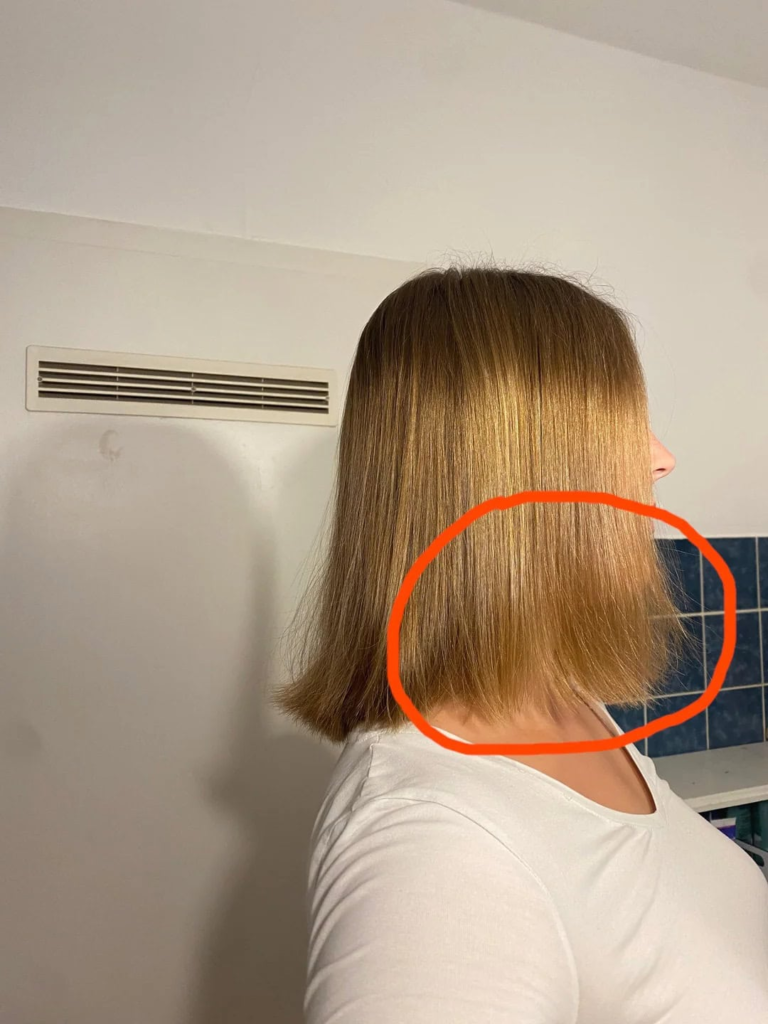
The first step is always to reduce what’s causing damage. Heat tools, harsh chemicals, and strong shampoos are common reasons.
Limiting heat styling alone can reduce breakage risk by up to 35% over time. Switching to gentle products also helps protect natural oils.
Small daily changes make the biggest difference in long-term hair health.
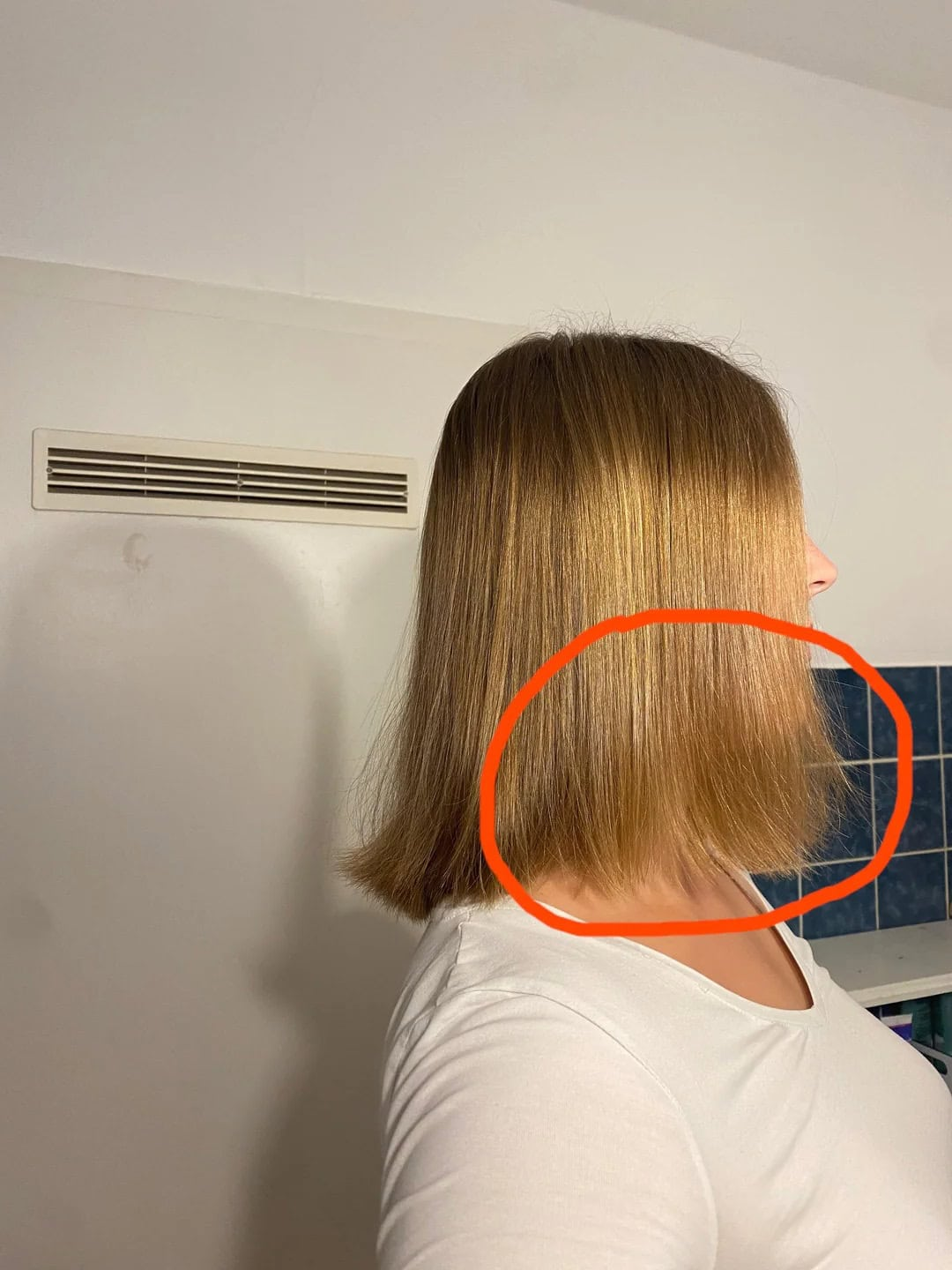
by reddit user bistdubeimirbach
2. Use a protein-moisture balance approach
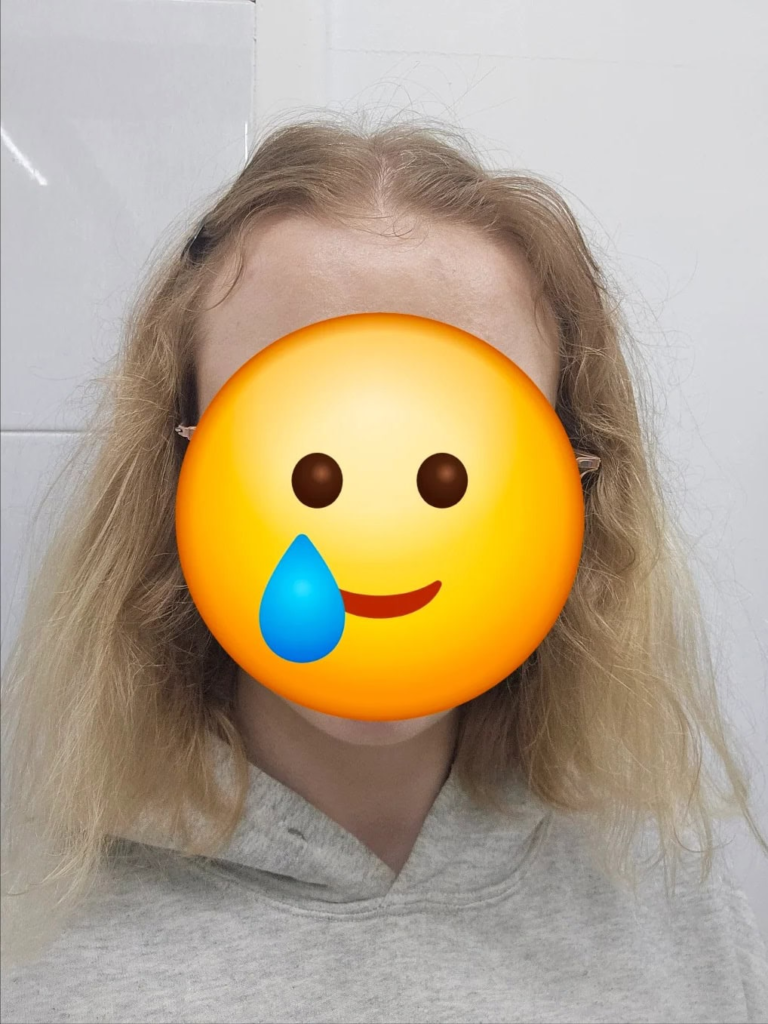
Damaged thin hair needs both strength and hydration. Protein repairs structure, while moisture keeps hair flexible.
Using both in balance is key. Too much protein can make hair stiff, while too much moisture can make it weak.
A simple method is alternating treatments weekly based on how the hair feels.
3. Switch to a sulfate-free, lightweight shampoo
Sulfate-based shampoos can strip natural oils, making thin hair more fragile.
A sulfate-free shampoo cleans gently while keeping moisture intact. This helps reduce dryness and breakage.
Look for formulas designed for fine or damaged hair to maintain volume.
4. Don’t skip conditioner – but choose the right one
Conditioner is essential, even for thin hair. The key is using a lightweight formula.
Apply only to the mid-lengths and ends. This avoids flat roots while still protecting the strands.
Proper conditioning can reduce tangling and breakage by a noticeable margin.
5. Add a bond-building treatment to your weekly routine
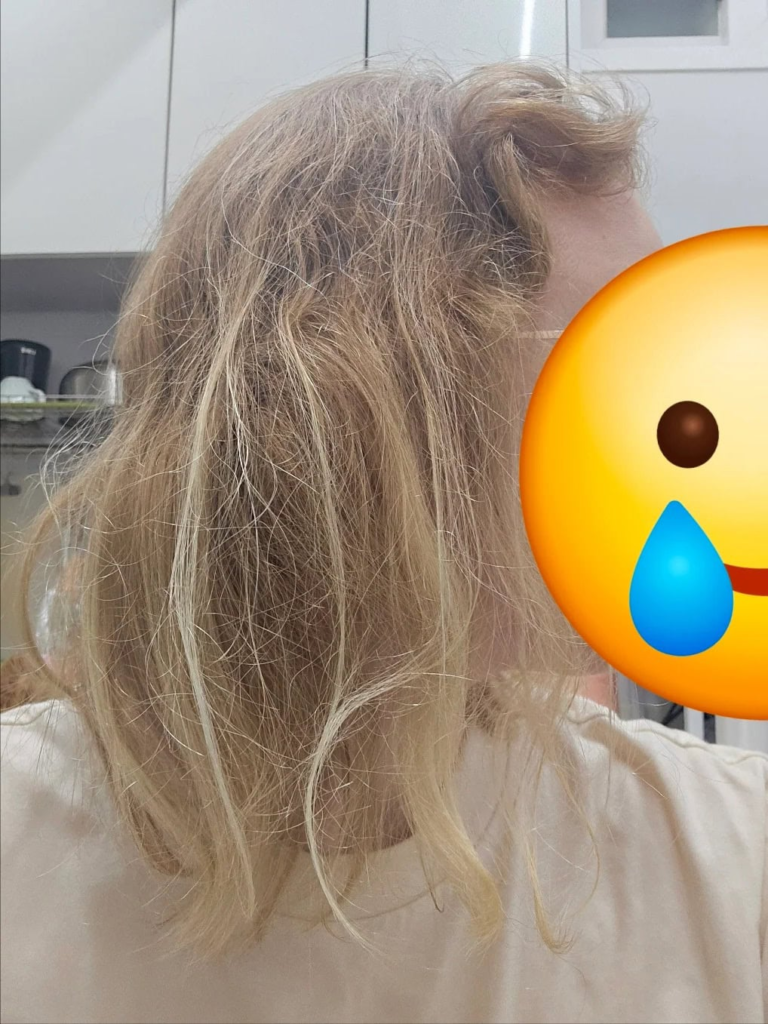
Bond-building treatments help repair internal hair structure. These are especially useful for heat or color damage.
Using them once a week can improve strength and reduce split ends over time.
They work deeper than regular conditioners and support long-term repair.
6. Air dry whenever possible – or use low heat
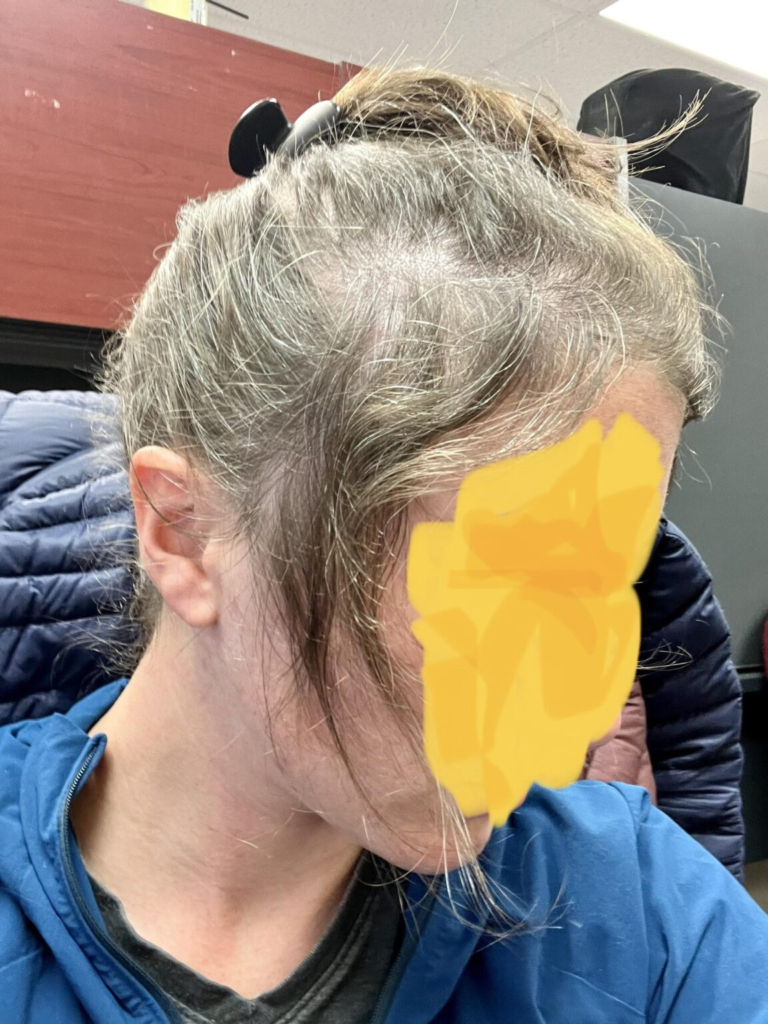
Air drying is the safest option for damaged thin hair. If heat is necessary, keep it low.
Always use a heat protectant before styling. This reduces damage and keeps hair smoother.
Even lowering heat slightly can protect hair from long-term weakening.
7. Trim split ends regularly
Split ends do not repair on their own. If ignored, they travel up the hair shaft and cause more damage.
Regular trims every 6–8 weeks keep hair healthier and reduce breakage.
This also improves the overall look and feel of thin hair.
8. Use satin pillowcases and gentle hair ties
Friction during sleep or styling can damage thin hair quickly.
Switching to satin or silk pillowcases reduces breakage and frizz. Soft hair ties also prevent pulling.
These small changes protect hair without extra effort.
9. Eat nutrient-rich foods for hair growth
Hair strength depends a lot on diet. Nutrients like protein, iron, and omega-3 support healthy growth.
A balanced diet can improve hair quality over time. Studies show nutrient deficiencies are linked to hair weakness.
Simple changes in food can support long-term repair.
10. Be patient and consistent
Hair repair takes time. Quick fixes don’t work for real damage.
Consistent care over weeks and months leads to visible improvement. Most people start noticing changes within a few weeks.
Sticking to a simple routine is more effective than changing products frequently.
What Products Work Best for Thin Damaged Hair?
The best products are lightweight and targeted. Heavy formulas can make thin hair look flat and greasy.
Bond-building treatments, light leave-in sprays, and volumizing shampoos work best.
Protein masks can help, but using them once a week is enough to avoid overload.
Other Common Questions
Should I avoid oils if my hair is thin?
Light oils can be used in small amounts on the ends. Heavy oils should be avoided.
Can I still color my hair if it’s damaged?
It’s better to wait. If needed, choose mild, ammonia-free options.
Are salon treatments worth it?
Yes, especially bond-repair treatments. Avoid heavy smoothing treatments that reduce volume.
How Long Does It Take to Repair Thin Hair Damage?
Repair time depends on how damaged the hair is and how consistent the routine is.
Most people notice better softness and shine within 2–4 weeks. Stronger hair with less breakage can take 3–6 months.
Regular care, trims, and proper products speed up the process.
Other Related Questions
Will my hair ever feel thick again?
It can look fuller when breakage is reduced and hair becomes stronger.
What’s the difference between thin hair and thinning hair?
Thin hair is about strand size. Thinning hair refers to hair loss or reduced density.
Can I reverse heat damage completely?
Damage cannot fully reverse, but proper care can improve strength and appearance significantly.
Conclusion
Fixing damaged thin hair is possible with the right approach. The focus should be on reducing damage, using lightweight products, and following a consistent routine.
Simple habits like gentle washing, regular trims, and proper treatments can improve hair strength over time.
With patience and the right care, thin hair can become healthier, shinier, and more manageable without relying on heavy products or harsh methods.