Best Short Wavy Haircuts for Men: 13 Stylish Design Ideas to Try Now
Save For Later
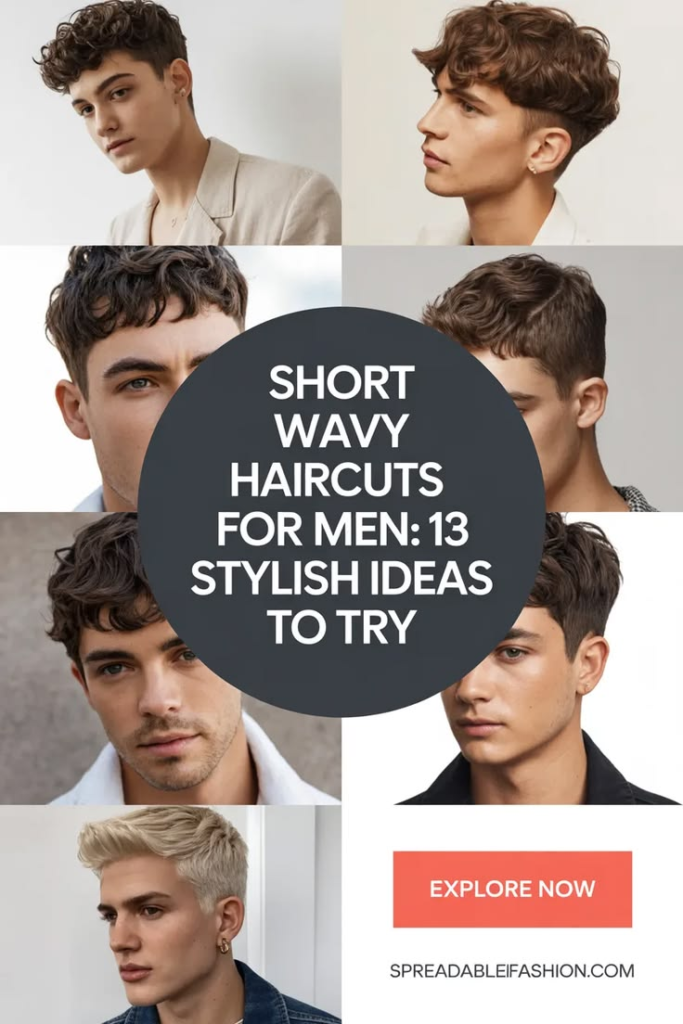
Short wavy haircuts for men 2026 are all about working with natural texture instead of fighting it. These styles are designed to make daily grooming easier while still keeping a clean, modern look.
This guide covers 13 trending haircut ideas that balance style, comfort, and practicality. Each cut is tailored for different face shapes, wave types, and lifestyles.
From low-maintenance buzz cuts to structured quiffs and fades, every style here focuses on real-world wearability. The goal is simple: look sharp without spending too much time styling every morning.
Key Takeaways
- Short wavy haircuts in 2026 focus on natural texture and easy maintenance
- The right haircut depends on wave pattern, face shape, and lifestyle
- Fades, crops, and textured styles remain the most in-demand choices
- Proper product use can reduce frizz and improve wave definition
- Regular trims every 3–6 weeks keep the style clean and structured
Short wavy haircuts for men 2026 have become a strong trend in modern grooming because they highlight natural movement instead of forcing control. Many barbers now design cuts specifically for wave patterns rather than straight-hair standards.
This shift is driven by practicality. Men prefer styles that look good without long styling routines. Wavy hair naturally adds volume and texture, making it easier to achieve a styled look with minimal effort when cut correctly.
Textured Wavy Crop
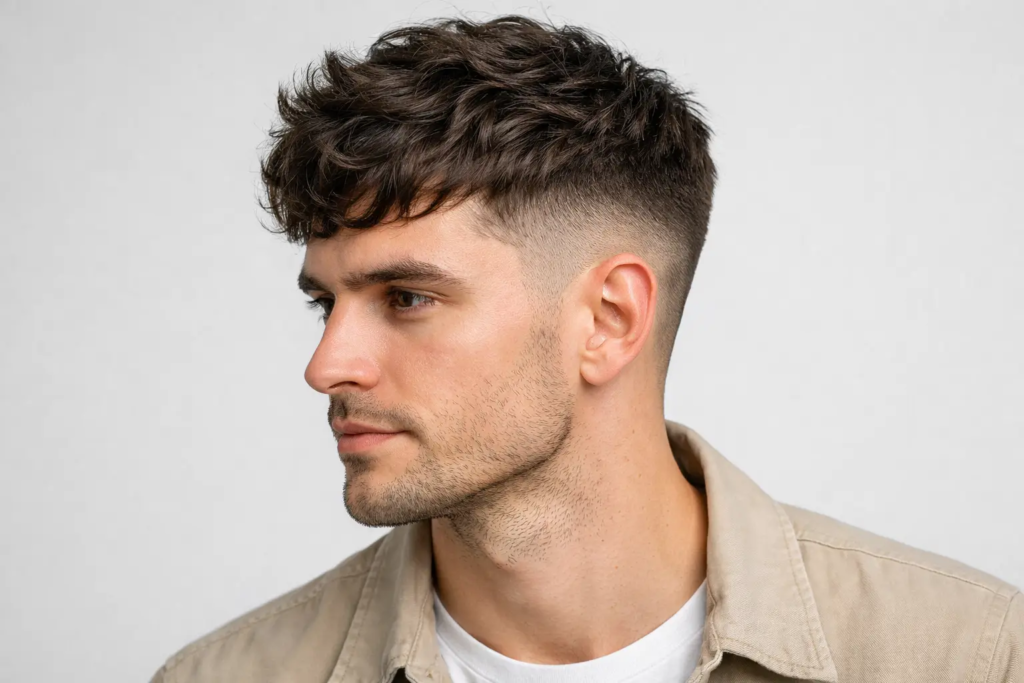
The textured wavy crop is one of the most practical short styles for 2026. It keeps the sides tight while leaving enough length on top to show natural waves.
This cut works well for medium to thick hair and suits most face shapes. The layered top creates movement without needing heavy styling.
A light matte product is usually enough for control. Many barbers recommend trimming every 3–4 weeks to maintain shape and fade balance.
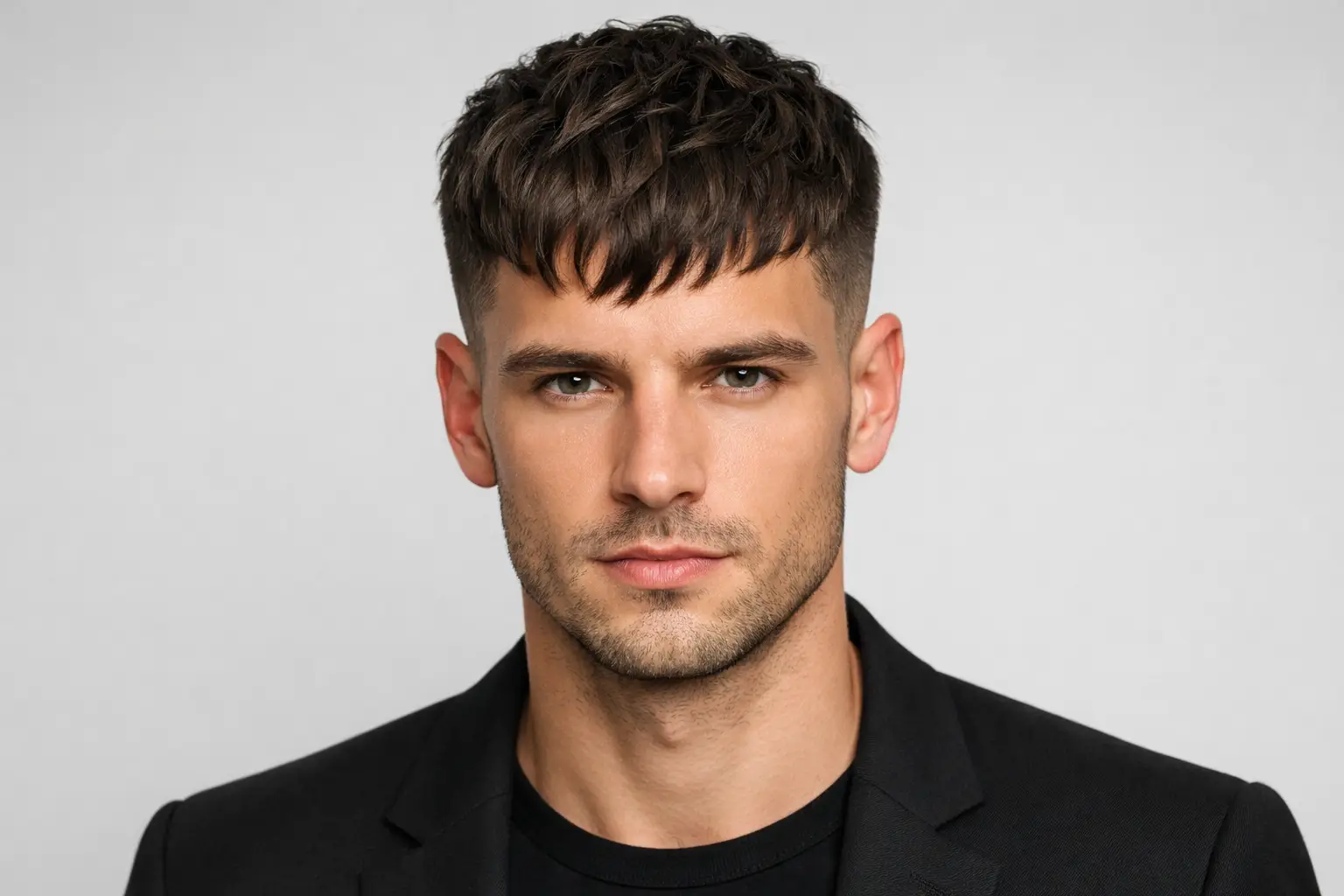
Wavy French Crop
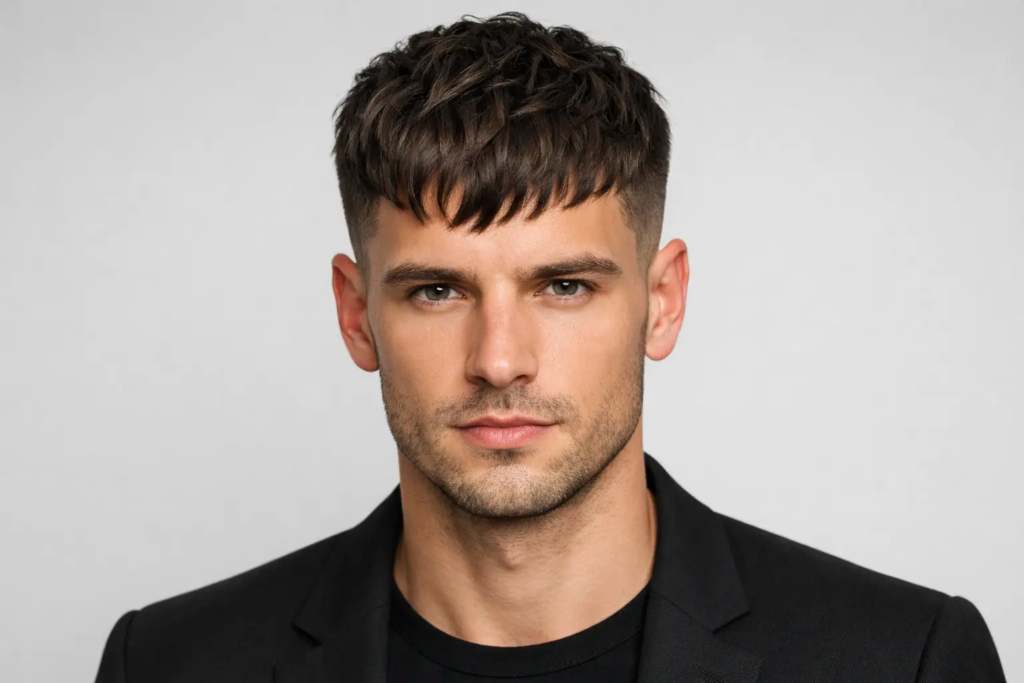
The wavy French crop gives a sharp yet soft appearance. It features a short fringe that falls naturally forward, enhanced by wave texture.
This style works best for men who want structure without stiffness. The waves prevent the fringe from looking too flat or blunt.
It is especially popular in professional settings because it stays neat with minimal effort. A light texture spray is often enough for daily styling.
Short Wavy Fade
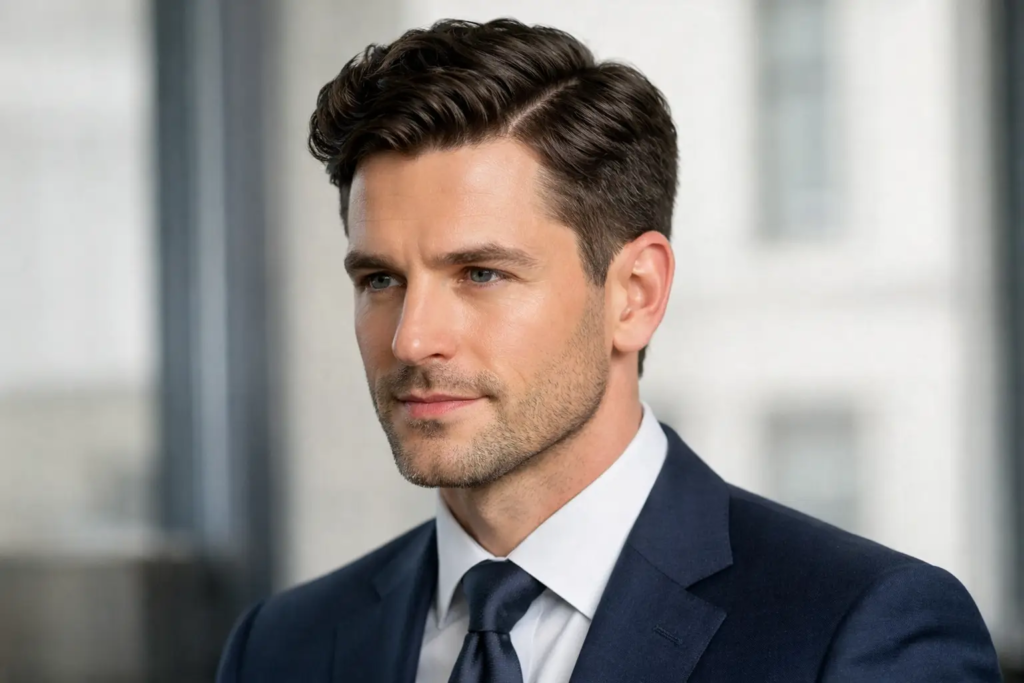
The short wavy fade combines clean sides with a textured top. This contrast creates a strong visual impact while keeping grooming simple.
Top length usually ranges from 2–4 inches, allowing waves to form naturally. The fade keeps the overall look sharp and modern.
Most barbers suggest a refresh every 2–3 weeks to keep the fade clean while letting the top grow freely.
Messy Wavy Quiff
The messy wavy quiff adds height and volume while keeping a relaxed finish. It works best when waves naturally lift upward.
This style requires slightly more length on top, usually around 3–4 inches. It gives flexibility for both casual and semi-formal looks.
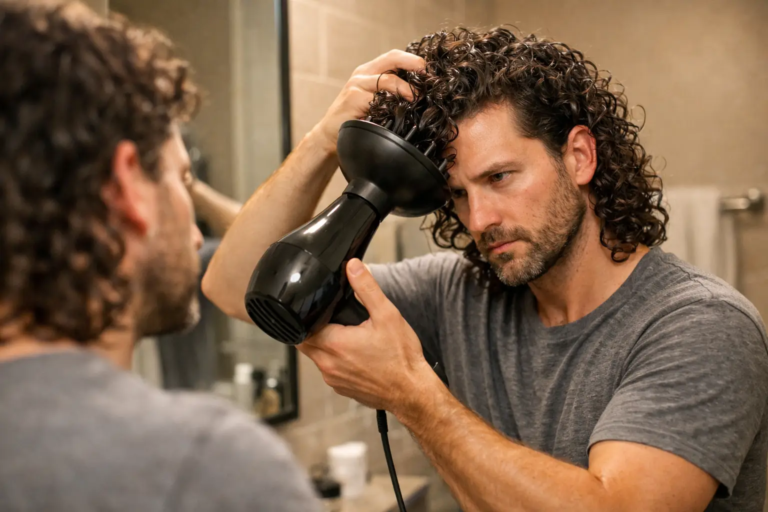
A blow-dry with light mousse helps build shape. Many grooming experts note that quiffs remain one of the top requested styles in salons due to their versatility.
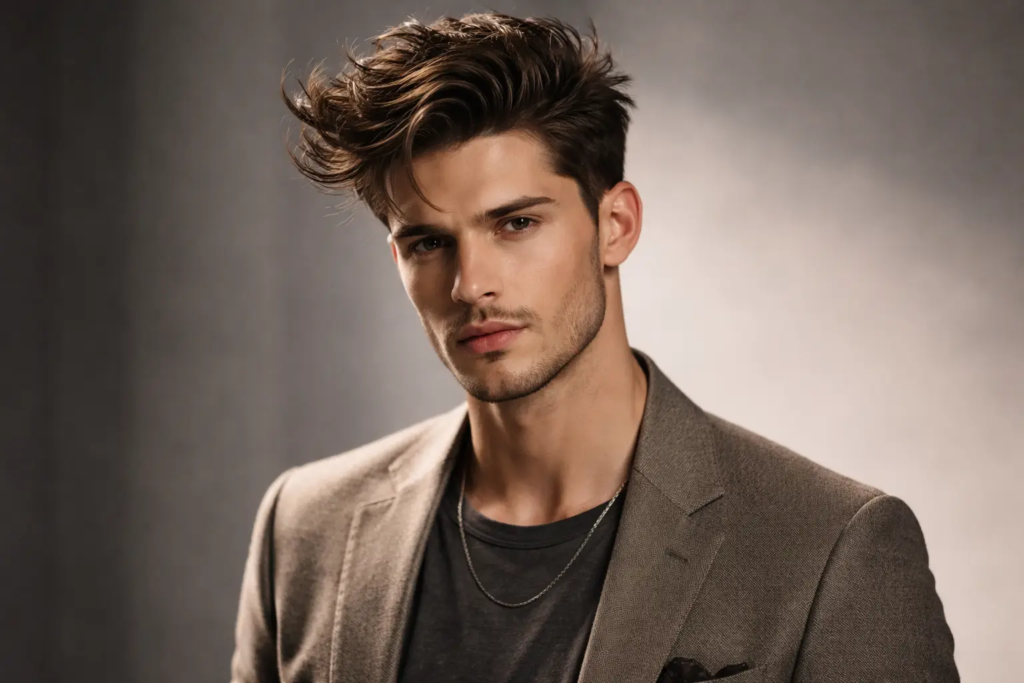
Short Wavy Pompadour
The short wavy pompadour is a modern take on a classic style. It uses natural wave flow to create controlled volume.
Unlike traditional slick pompadours, this version is softer and more wearable for daily life.
A round brush and lightweight pomade help maintain shape without stiffness. It works best for men comfortable with regular styling.
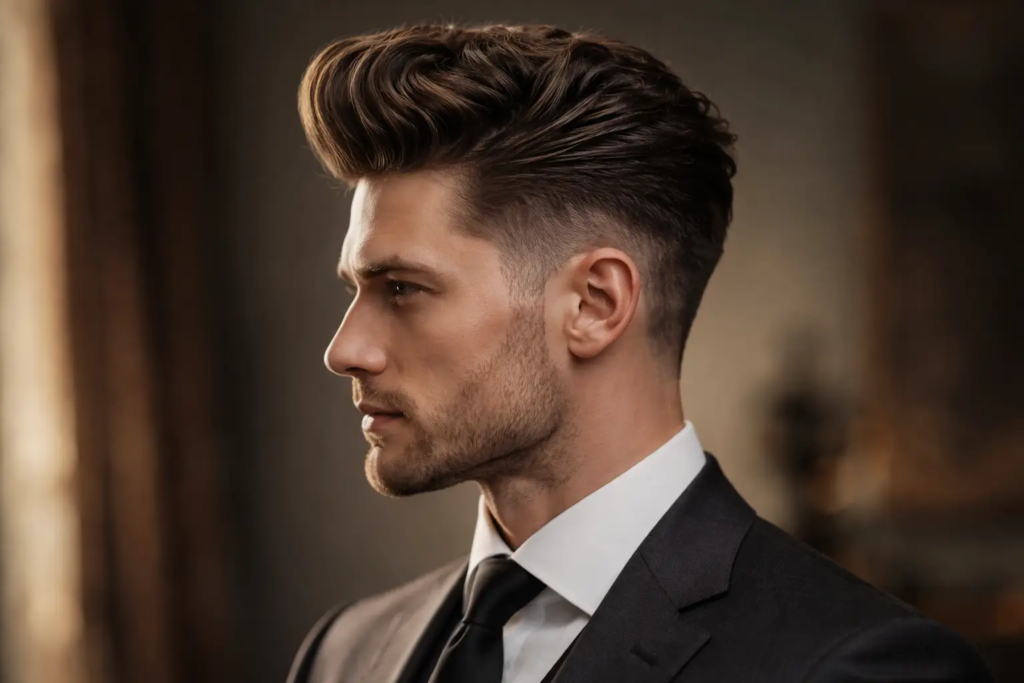
Wavy Textured Fringe
The textured fringe focuses on forward movement with a relaxed finish. Waves naturally break the fringe into soft layers.
This cut is popular among younger men due to its casual and trendy look. It suits straight, oval, and slightly longer face shapes.
Sea salt spray is often used to enhance texture without making hair heavy.
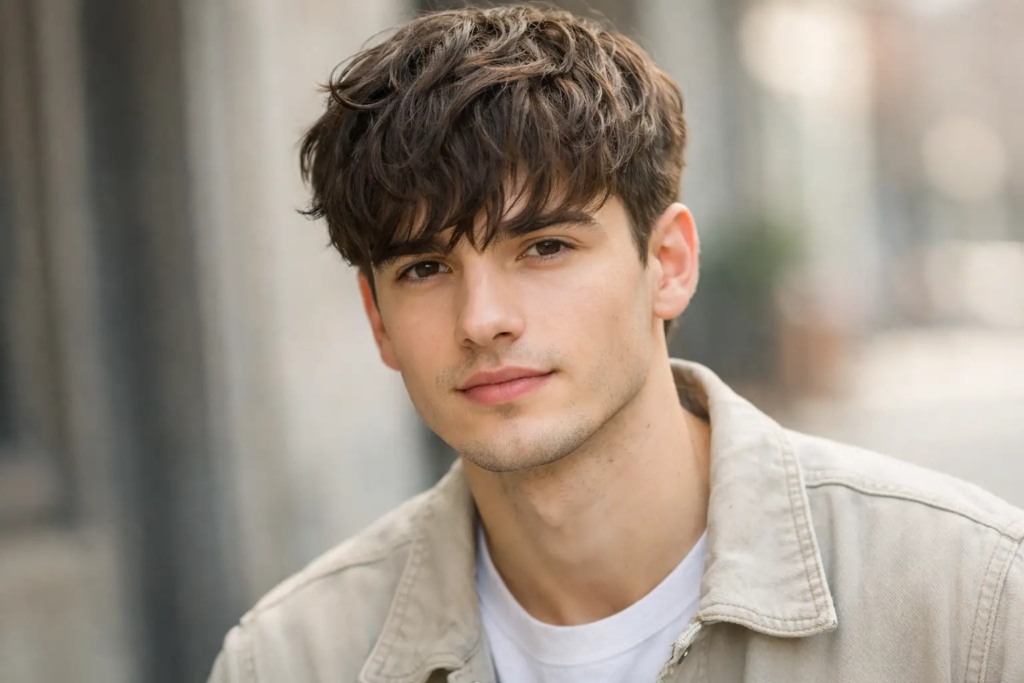
Short Wavy Undercut
The short wavy undercut creates strong contrast between long top hair and shaved sides. It is one of the boldest styles in 2026 trends.
The disconnected structure highlights wave definition on top. This makes it ideal for thick hair types.
It requires frequent upkeep, especially for the sides, to keep the contrast sharp and clean.
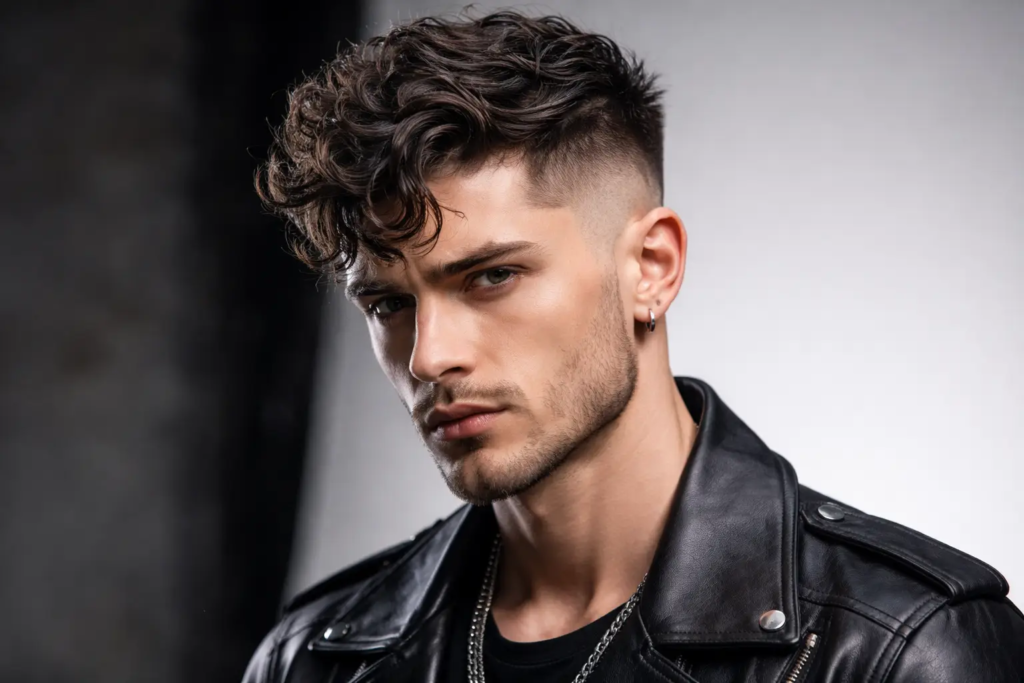
Wavy Caesar Cut
The Caesar cut is a low-maintenance option that still looks structured. It features a short, even length with a subtle forward fringe.
Waves add texture that makes the cut more modern and less rigid.
It works well for men who prefer simple grooming routines with a clean appearance.

Tapered Wavy Sides
Tapered sides offer a balanced and professional look without extreme fading. The gradual transition keeps things natural.
This style is ideal for office environments or formal settings. It blends structure with softness.
Most stylists recommend it for men who want a controlled but not overly sharp haircut.

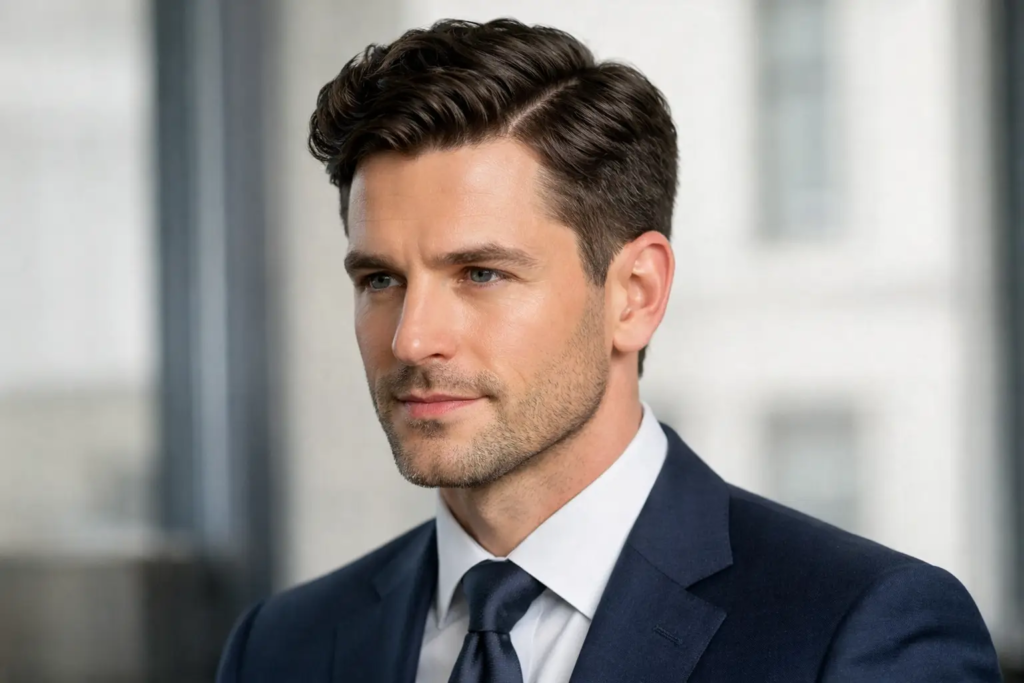
Short Wavy Side Part
The side part remains a timeless option, updated in 2026 with textured cutting techniques.
Waves add natural volume, making the part look more relaxed and less rigid.
A light styling cream helps maintain direction without stiffness throughout the day.
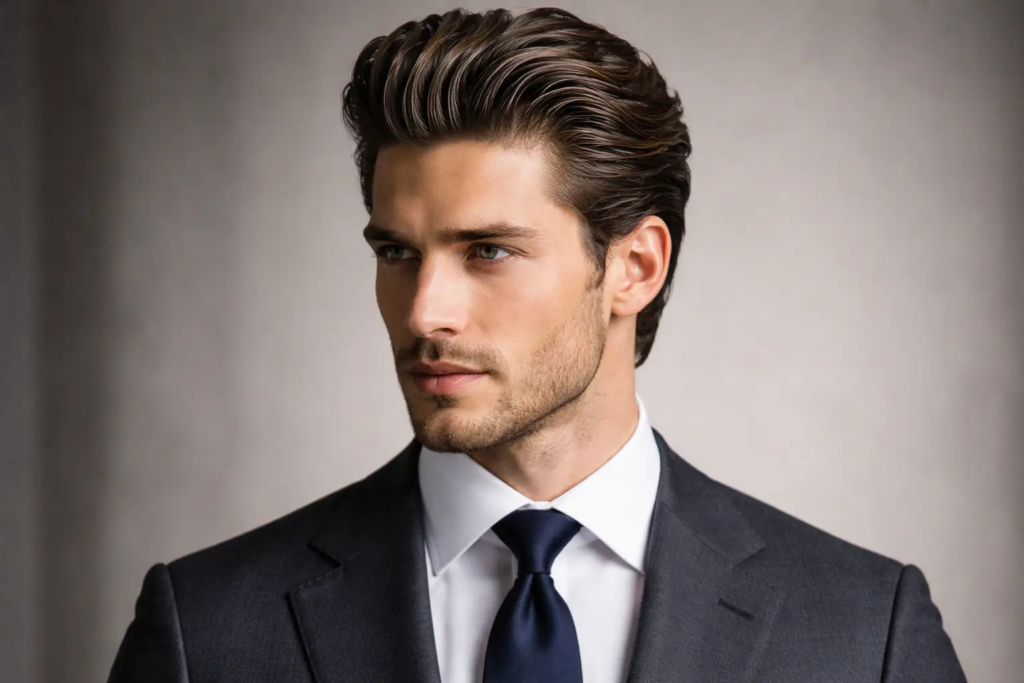
Wavy Slick Back
The slick back with waves creates a clean and confident look. It uses natural texture instead of heavy gel.
Hair is brushed backward while keeping slight movement for a modern finish.
It is commonly chosen for formal and business environments due to its polished appearance.
Messy Wavy Spikes
This style turns natural waves into soft spikes rather than sharp points. It gives a youthful and energetic feel.
It works best for short to medium lengths with light layering.
A small amount of clay helps maintain direction without making hair stiff.

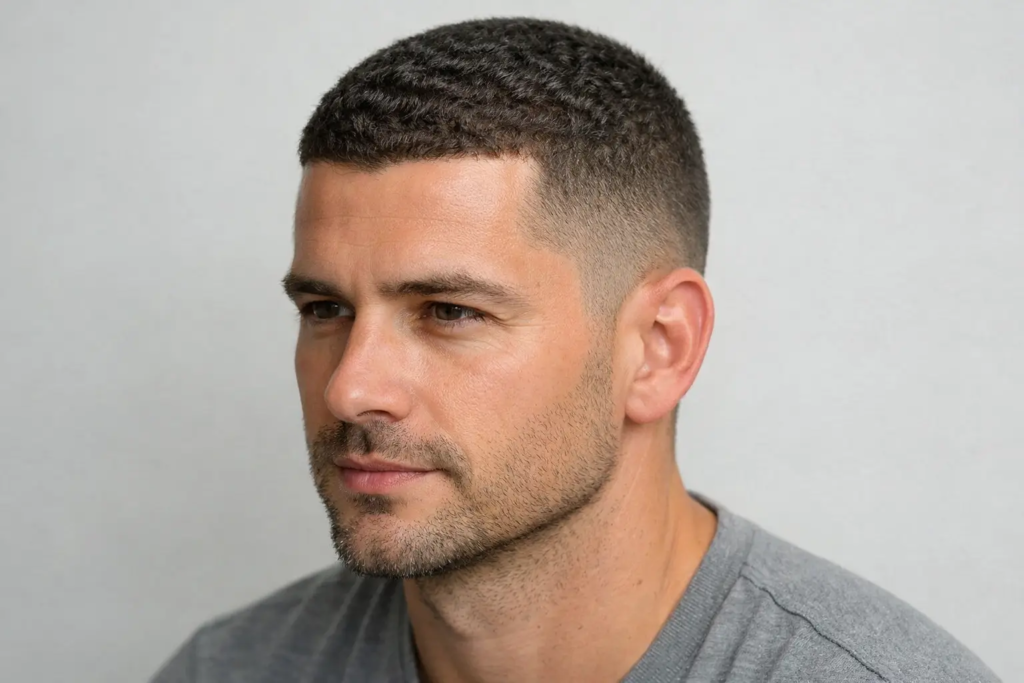
Short Wavy Buzz Cut
The buzz cut is the lowest-maintenance option. Even at short length, wave patterns can still be visible.
It suits active lifestyles and warm climates due to its simplicity.
Many barbers suggest weekly trims or at-home maintenance for best results.
Conclusion
Short wavy haircuts for men 2026 continue to grow in popularity because they combine style with practicality. Each cut in this guide focuses on enhancing natural wave patterns rather than hiding them.
The best results always come from choosing a style that matches hair density, face shape, and daily routine. Consistent trims and light product use keep the look fresh and intentional.
Frequently Asked Questions
What products work best for short wavy hair?
Lightweight products work best, such as matte clay, sea salt spray, and curl creams. Heavy gels should be avoided as they reduce natural movement.
How often should hair be cut?
Most short wavy styles need trims every 3–6 weeks depending on fade level and structure.
Do these styles suit all face shapes?
Yes, but the cut should be adjusted. Volume for longer faces and tighter sides for round faces usually works best.
Can wavy hair look professional?
Yes, styles like side parts, crops, and tapered cuts are widely accepted in professional environments.
How can frizz be controlled?
Use sulfate-free shampoo, light conditioners, and avoid towel rubbing. Microfiber drying helps reduce frizz significantly.