8 Vitamins for Thinning Hair for Women: What Really Works and Why It Matters
If you are searching for vitamins for thinning hair for women, it usually means hair is not as strong or full as before. I’ve noticed this often happens slowly, and many women don’t realize the cause early.
This guide explains which vitamins actually support hair growth and why they matter. The focus is on real nutrients that improve hair from the inside, not just surface-level fixes.
You’ll learn how deficiencies affect hair, which vitamins are worth adding, and how long results usually take. With the right approach, hair can become stronger, thicker, and healthier over time.
Key Takeaways
- Nutrient deficiencies are linked to up to 30–40% of hair thinning cases
- Biotin, iron, and vitamin D are the most common deficiencies
- Results usually appear after 2–3 months of consistent intake
- Balanced intake is more effective than high doses
- Diet + supplements together give better long-term results
1. Biotin (Vitamin B7)
Biotin supports keratin production, which is essential for hair structure. Without enough biotin, hair can become weak and brittle.
Some studies show visible improvement in hair strength after around 90 days of consistent intake.
Even though deficiency is rare, low levels can still affect hair quality.
2. Vitamin D
Vitamin D plays a role in creating new hair follicles. Low levels are commonly linked with hair thinning.
Many women with hair loss are found to have low vitamin D levels, especially those with limited sun exposure.
Maintaining proper levels can support better hair growth cycles.
3. Iron
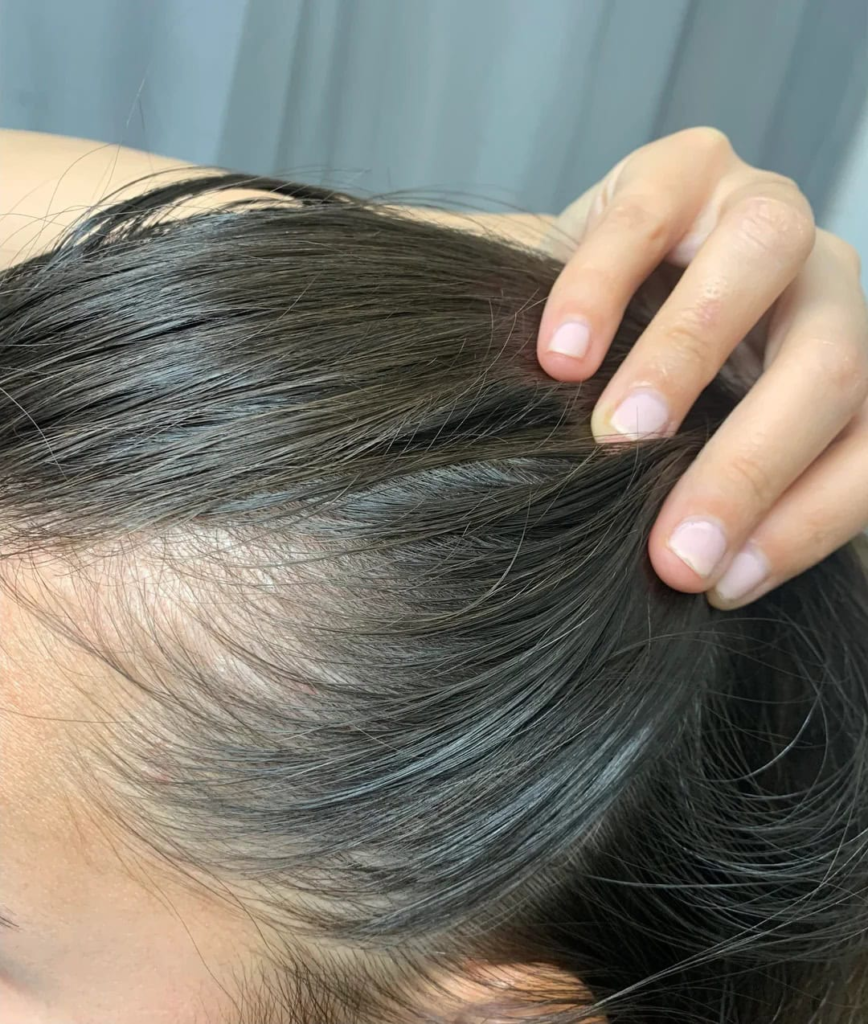
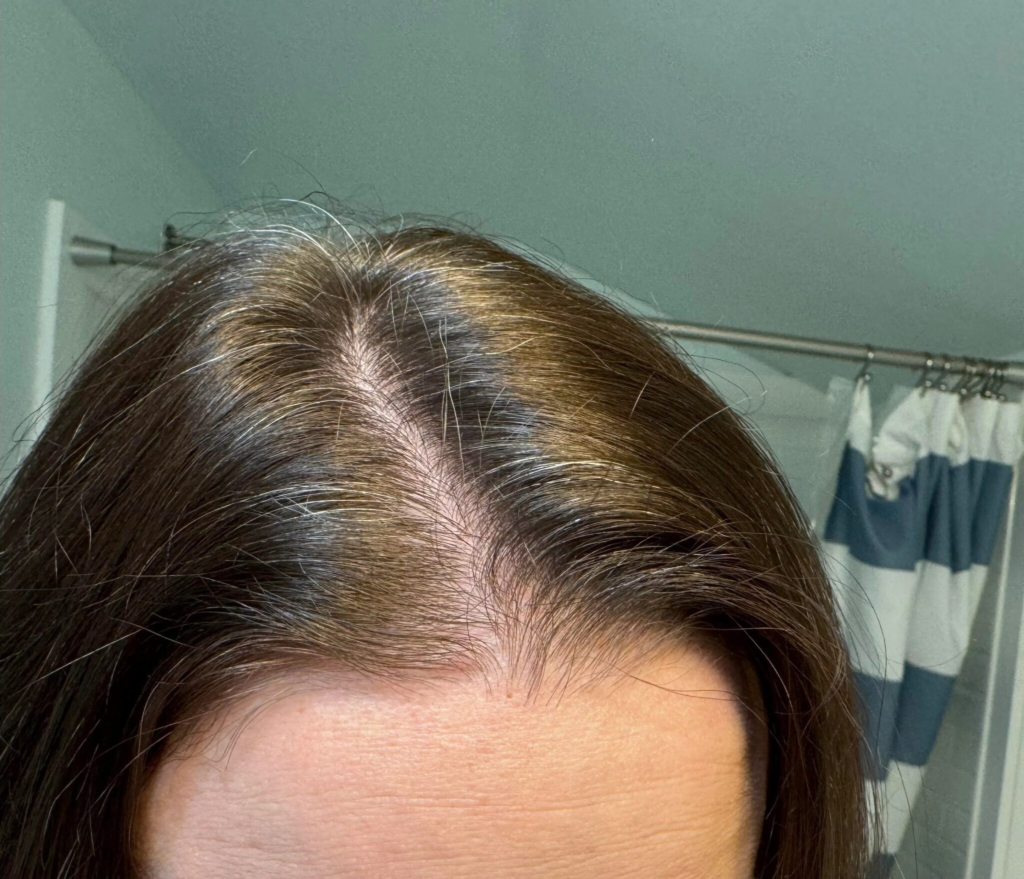
Iron deficiency is one of the most common causes of thinning hair, especially in women.
It helps carry oxygen to hair roots, which is necessary for growth. Low iron can lead to increased shedding.
Women with low iron levels often notice improvement once levels are restored.
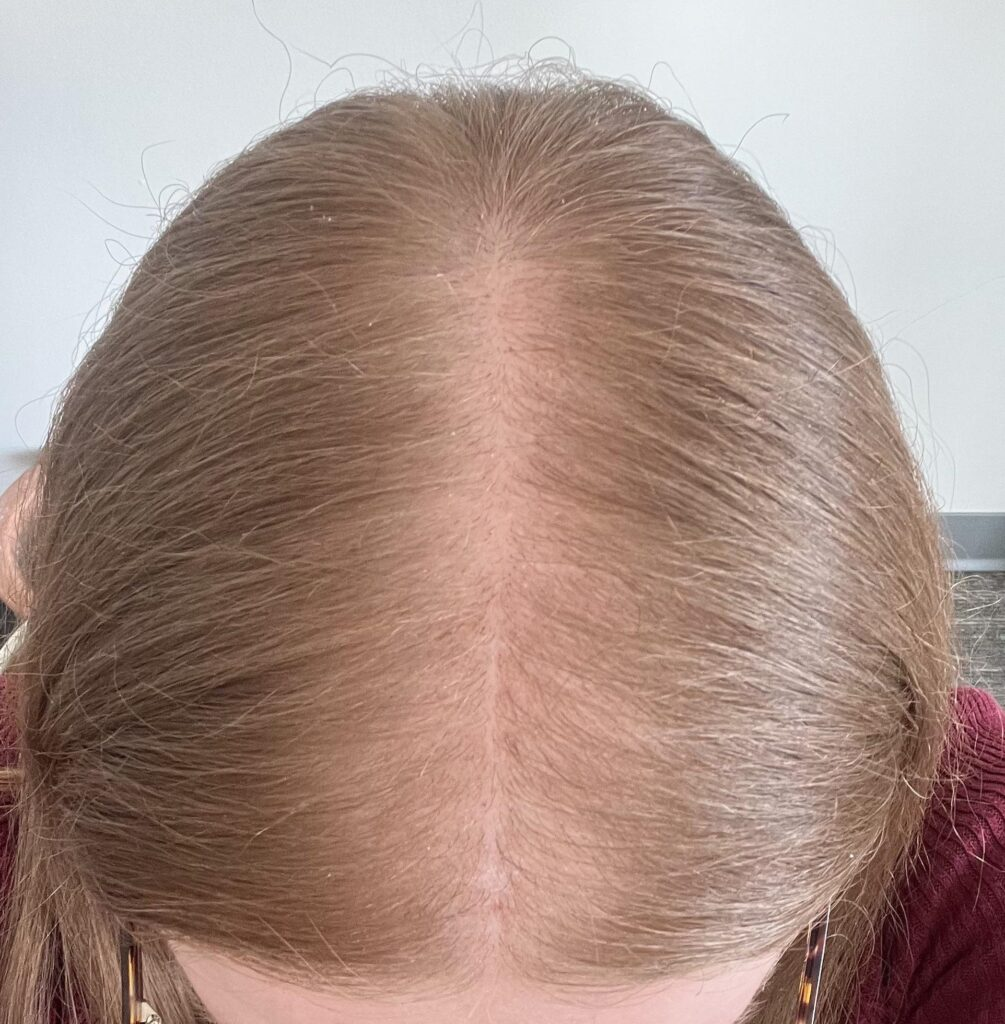
by reddit user ThrowRA22887777
4. Zinc
Zinc supports hair tissue repair and keeps scalp health stable.
Low zinc levels are linked to temporary hair shedding, especially after stress or illness.
Restoring zinc balance can help reduce hair fall and support regrowth.
5. Vitamin A
Vitamin A supports cell growth and helps produce natural scalp oils.
However, too much vitamin A can cause hair loss. Balance is important here.
Getting it from natural food sources is usually the safest option.
6. Vitamin E
Vitamin E helps reduce oxidative stress, which can damage hair follicles.
One study showed about a 34% increase in hair count after consistent use over several months.
It also improves scalp health and blood circulation.
7. B-Complex Vitamins (B1, B2, B3, B5, B6, B12, Folate)
B vitamins support overall hair health, especially blood circulation and cell growth.
Vitamin B12 and folate are important for delivering oxygen and nutrients to hair roots.
Low levels can lead to slow growth and increased shedding.
8. Collagen and Amino Acids
Collagen supports the structure of hair and helps the body produce keratin.
It also improves scalp condition over time.
Regular intake can support stronger and more resilient hair strands.
How Long Do Results Take?
Hair growth takes time, so results are not instant. Most changes appear after 2–3 months.
Stronger and thicker hair may take up to 4–6 months depending on consistency.
Hair grows about 1–1.5 cm per month, so patience is important.
How Can You Tell If a Vitamin Deficiency Is Causing Hair Thinning?
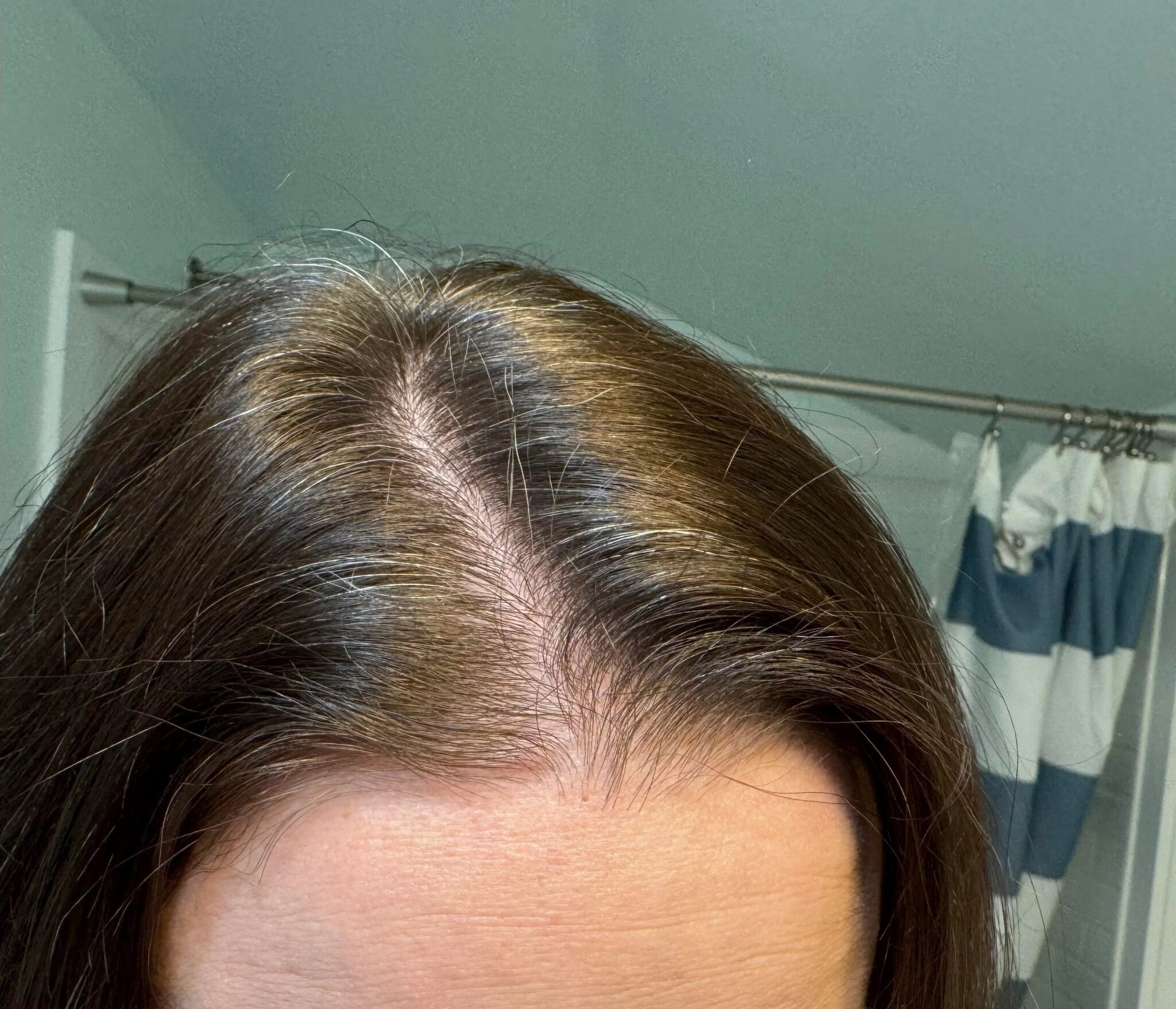
Hair thinning from deficiency usually happens gradually. It is not always easy to notice at first.
Common signs include more hair fall, slower growth, and overall reduced thickness.
Changes in scalp condition can also be a sign of missing nutrients.
When to See a Doctor
If hair thinning continues or gets worse, it is better to get tested.
Blood tests can identify low levels of iron, vitamin D, or B12.
Getting the right diagnosis helps avoid unnecessary treatments.
Should You Get Nutrients from Food or Supplements?
Food should always be the first source of nutrients. A balanced diet supports overall health.
However, many people still need supplements due to lifestyle or diet gaps.
Using both together often gives better results.
Can Hair Vitamins Prevent Thinning Before It Starts?
Yes, proper nutrition can reduce the risk of hair thinning.
Starting early helps maintain hair strength and growth over time.
This is especially helpful during hormonal changes or high stress periods.
Who Should Consider Preventive Use of Hair Vitamins?
Women with family history of hair thinning may benefit from early support.
Those with restricted diets or high stress levels are also at higher risk.
Women over 40 may need additional nutritional support.
How to Build a Preventive Plan
Start by improving diet quality. Focus on protein and essential nutrients.
Adding a basic supplement can support long-term hair health.
Consistency matters more than trying too many products.
Can You Take Too Many Hair Vitamins?
Yes, taking too many vitamins can cause problems.
High doses of vitamins like A and D may lead to hair loss instead of improving it.
Following recommended amounts is important for safe results.
Other Questions Women Often Ask
Can I combine hair vitamins with other treatments?
Yes, combining supplements with treatments can improve results if done carefully.
Are gummy vitamins effective?
They can work, but check ingredient levels and sugar content.
Do prenatal vitamins help with thinning hair?
They may help due to iron and folate but may not cover all hair needs.
Conclusion
Using the right vitamins for thinning hair for women can improve hair strength and reduce shedding over time.
The key is consistency, balanced intake, and understanding what your body needs.
With the right nutrients and habits, hair can become healthier, stronger, and more resilient in the long run.