How to Blow Dry Hair Without Heat Damage: Simple Tips for Safe Styling
Getting a smooth, salon-like finish without ruining hair health is possible in 2026. From what I’ve seen, the right mix of low heat, smart tools, and protective products makes a big difference. This guide covers safe blow-drying methods, best products, and practical habits that reduce breakage, dryness, and frizz.
Key Takeaways
- Using low heat reduces hair damage by up to 40% (based on styling studies)
- Heat protectants form a barrier that limits moisture loss
- Sectioning hair cuts drying time and heat exposure
- Cool air helps seal the cuticle and boost shine
- Hair type matters—fine, thick, and curly hair need different care
Protect Your Hair: How to Blow Dry Hair Without Heat Damage
From experience, moisture is the first layer of protection. When hair is hydrated, it handles heat better and breaks less. A leave-in conditioner or heat protectant is not optional—it creates a shield around each strand.
I always keep the dryer at the lowest effective heat and maintain distance. Around 5–6 inches works best to spread airflow evenly and avoid hot spots. Using a nozzle attachment helps control direction and reduces unnecessary exposure.
Sectioning hair has helped speed things up without raising heat. It’s a simple trick but cuts damage risk significantly. Ending with cool air locks in shine and smoothness, which honestly makes a visible difference.
Pro Tip: Drying hair in sections can reduce total heat exposure time by nearly 30%, especially for medium to thick hair.
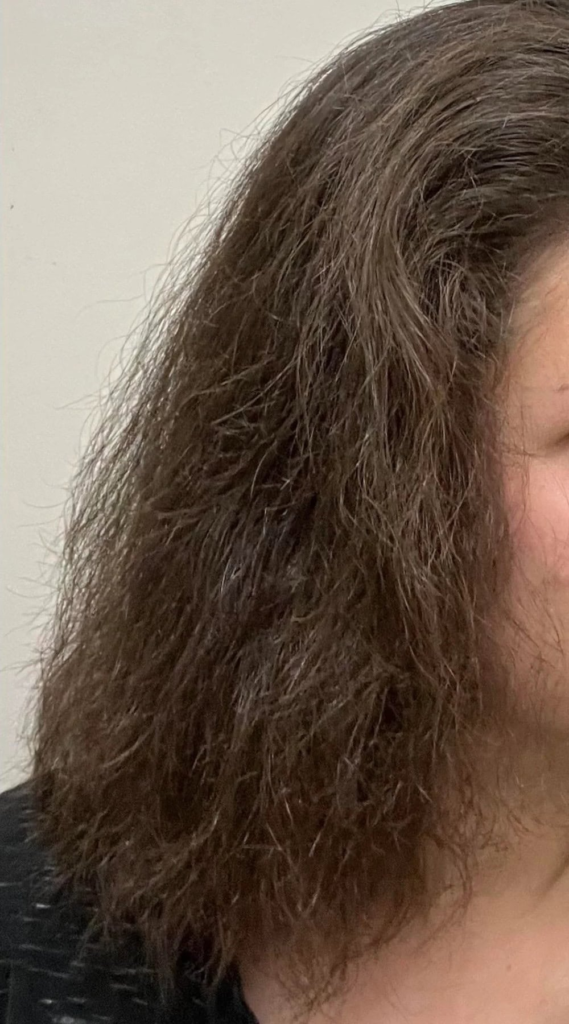
by reddit user AngryBeaverFace88
Can Blow-Drying Without Heat Damage Work for All Hair Types?
Yes, but I’ve noticed results vary depending on hair type. Fine hair dries quickly, so lightweight sprays work better and prevent flatness. Heavy creams usually do more harm than good here.
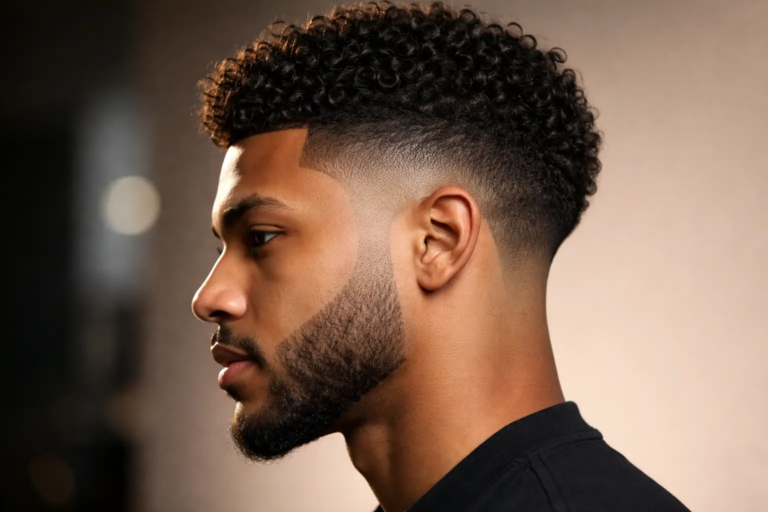
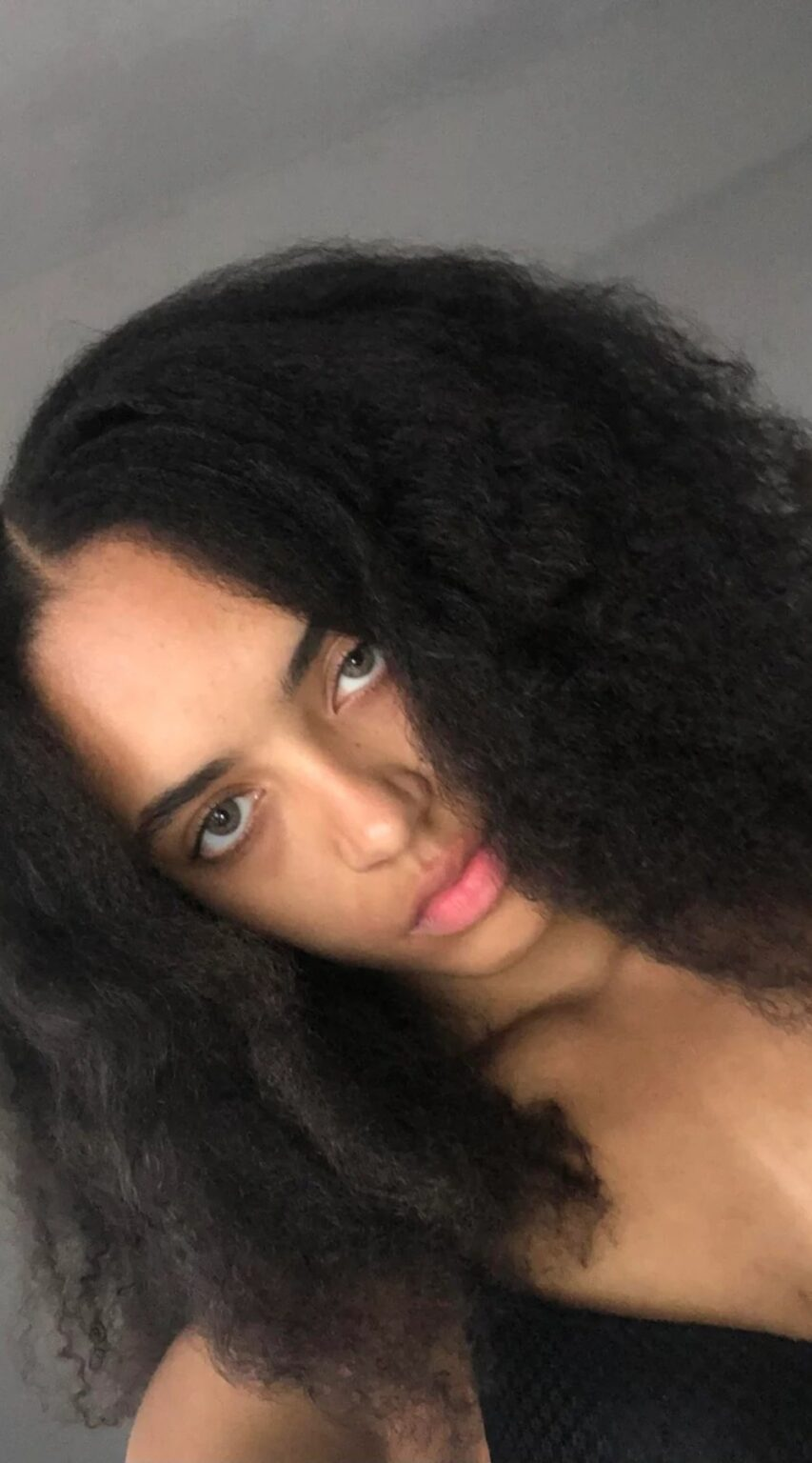
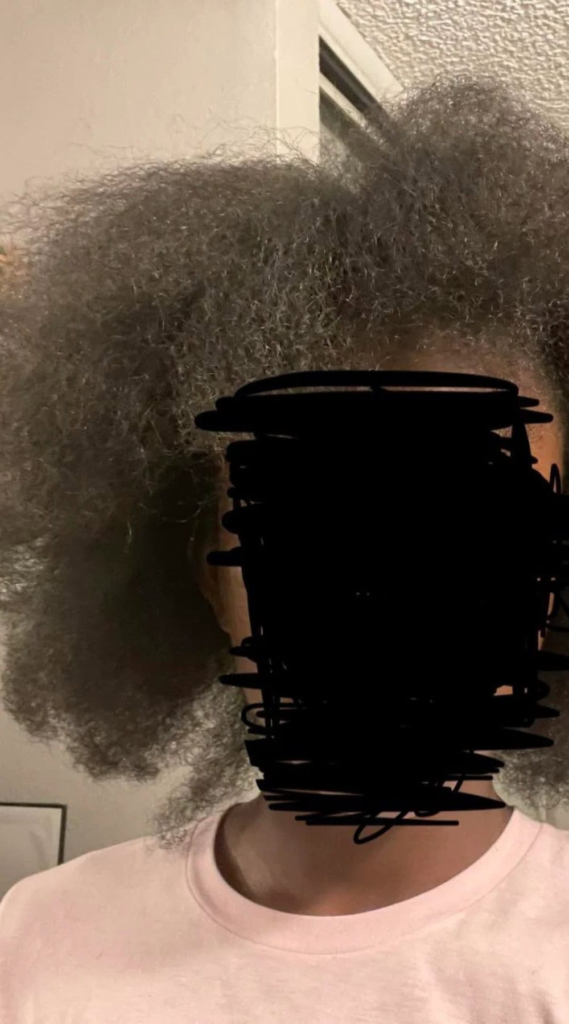
For thick or curly hair, hydration becomes even more important. Using a diffuser helps maintain curl pattern and reduces frizz. It also spreads heat more evenly, which lowers damage risk over time.
If hair is already damaged from coloring or chemicals, patience is key. Lower heat and longer drying times are safer than rushing with high heat. Consistency here matters more than anything.
Insight: Curly hair tends to lose moisture faster, which is why it benefits most from diffusers and hydrating products.
Additional FAQs
How often should I blow-dry my hair to avoid damage?
From what works best, limiting it to 2–3 times a week helps maintain natural oils and reduces dryness.
Can air-drying replace blow-drying for healthy hair?
Air-drying is gentler, but it can leave hair uneven or frizzy. Controlled blow-drying gives a more polished look with minimal risk when done right.
Are heatless styling tools better than blow-drying?
They are safer overall. I usually recommend them on off-days to give hair a break while still styling.
What Products Help Prevent Heat Damage When Blow-Drying?
Choosing the right products changes everything. Heat protectants with keratin or argan oil help reduce protein loss and keep hair smooth. Studies suggest they can lower heat damage by up to 50% when used correctly.
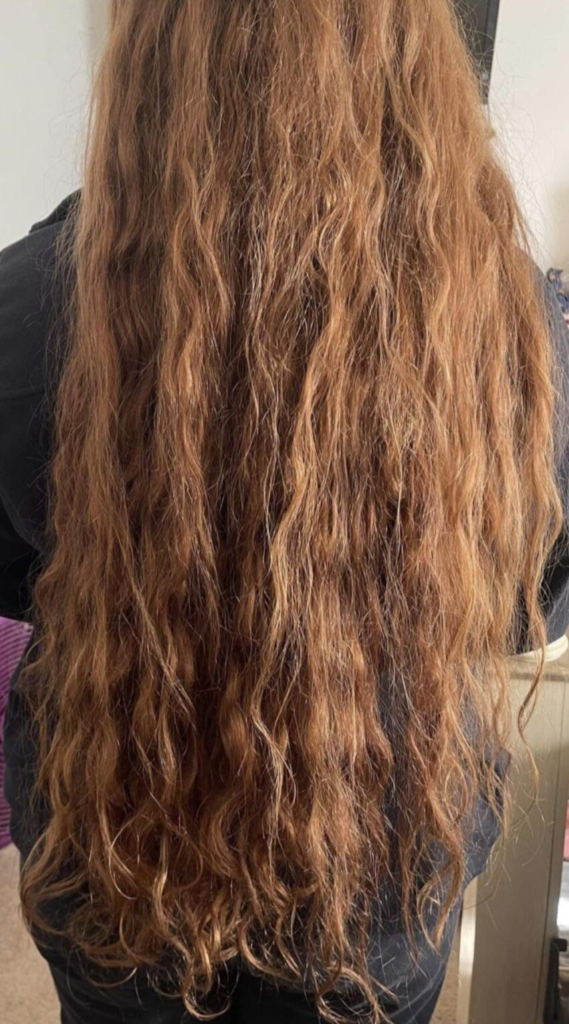
by reddit user Antique-Aardvark5807
A hydrating shampoo and conditioner also play a big role. They restore moisture before styling even begins. Without this step, hair becomes more vulnerable to dryness and breakage.
For frizz control, anti-humidity serums are worth using. They protect against environmental moisture, which is often the hidden cause of rough texture after blow-drying.
Pro Tip: Apply heat protectant on damp—not wet—hair for better absorption and even coverage.
Additional FAQs
Do heat protectant sprays really work?
Yes, they form a barrier that slows down heat transfer and reduces internal damage to the hair strand.
Is it better to blow-dry hair damp or wet?
Damp hair is ideal. Starting with wet hair increases drying time and heat exposure, which raises damage risk.
Can I use natural oils instead of heat protectants?
Oils add shine but don’t provide enough protection alone. They work best when combined with a proper heat protectant.
Final Thoughts
Blow drying doesn’t have to mean damaged hair. I’ve found that small changes—like lowering heat, using the right products, and drying in sections—make a big difference over time.
In 2026, hair care is more about balance than avoiding tools completely. With the right approach, it’s possible to get smooth, styled hair while keeping it strong, healthy, and full of shine.