How to Grow Out Uneven Hair: Strategies for Balanced Lengths
Uneven hair can feel frustrating, especially after a bad haircut or constant breakage. I’ve seen how common this issue is, and the truth is—hair rarely grows perfectly evenly for most people.
The good part? It’s fixable with the right approach.
In this guide, I’ll walk through practical ways to grow out uneven hair, improve hair health, and keep things looking balanced during the process. Based on real hair care practices and expert-backed methods, these tips focus on long-term results—not quick fixes.
Quick Summary
If you want to grow out uneven hair, focus on three things: reduce breakage, support healthy growth, and trim smartly. Hair typically grows about 0.5 inches (1.25 cm) per month, so consistency matters more than shortcuts. A mix of scalp care, nutrition, and protective habits can help even out lengths over time.
Key Takeaways
- Hair grows uneven mainly due to breakage, not growth speed
- Regular trims every 6–8 weeks improve overall shape
- Scalp health directly impacts hair growth consistency
- Heat styling is a major cause of uneven ends
- Diet (protein + vitamins) plays a key role in hair strength
How to Grow Out Uneven Hair: Smart Tips to Speed Up Results
Growing out uneven hair isn’t about waiting—it’s about managing growth properly. I focus on reducing damage while supporting stronger strands so the shorter sections can catch up naturally.
1. Assess Why Your Hair Is Uneven
Before fixing uneven hair, I always look at the cause. In most cases, it’s not growth—it’s breakage.
Frequent heat styling, chemical treatments, or rough brushing weaken certain sections. Sometimes, it’s simply a bad haircut or natural growth patterns.
Insight: Studies show that over 70% of hair damage is caused by heat and mechanical stress, not genetics.
Pro Tip: Identify one main cause (heat, brushing, or chemicals) and fix that first. Trying to fix everything at once rarely works.
2. Trim Strategically (and Regularly)
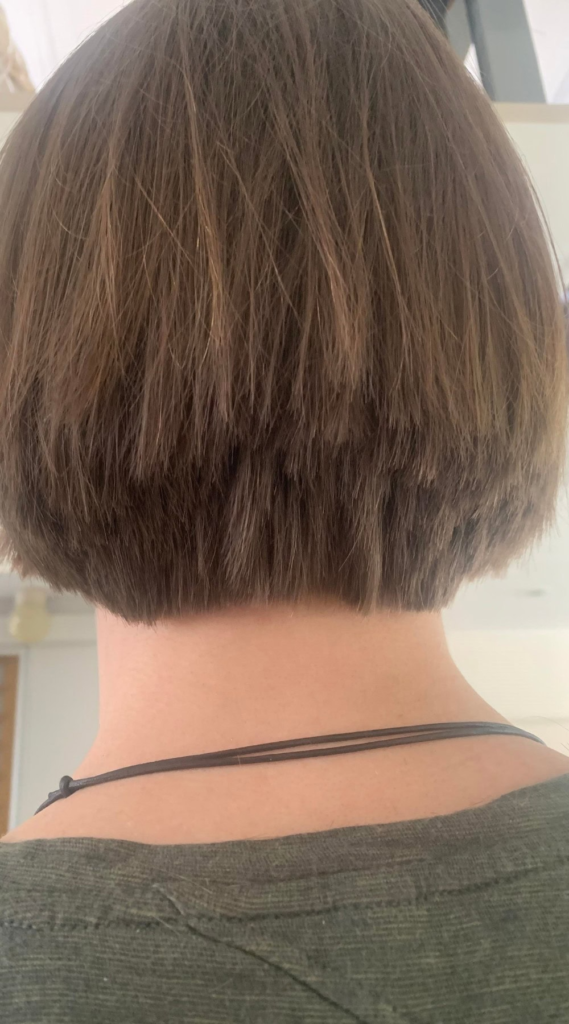
It may sound counterintuitive, but trimming helps uneven hair look better while it grows.
I recommend trimming every 6–8 weeks. This removes split ends and prevents further breakage, which is often what makes hair look uneven.
A professional stylist can shape your hair without cutting too much length.
Pro Tip: Avoid DIY trimming unless you know proper sectioning techniques—uneven cuts usually get worse at home.
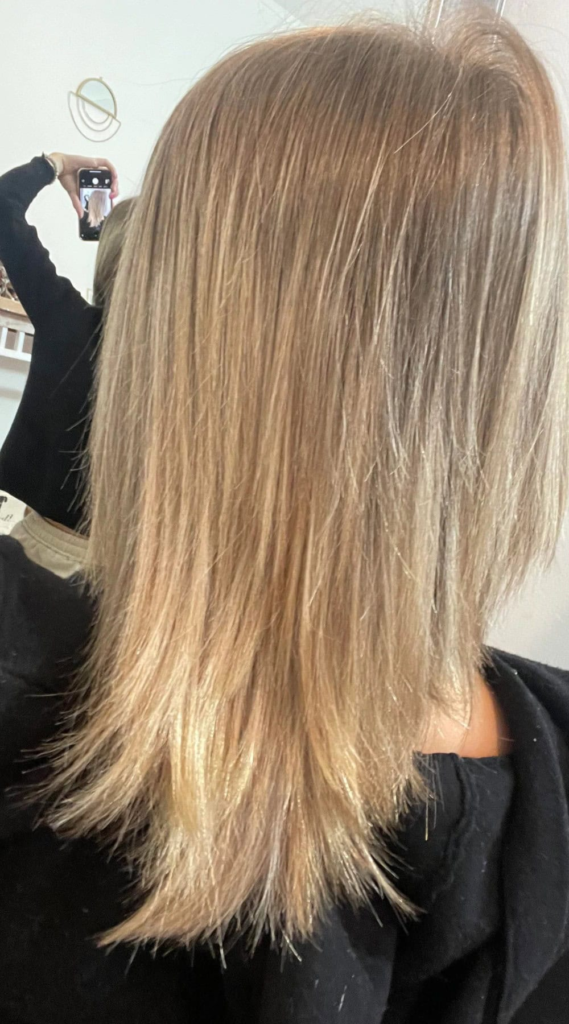
by reddit user Awkward-Night-1930
3. Nourish Your Scalp for Balanced Growth
Healthy hair starts at the scalp. I always prioritize scalp care when dealing with uneven growth.
Use a gentle shampoo that doesn’t strip natural oils, followed by a hydrating conditioner. Adding scalp massages improves blood circulation, which supports consistent growth.
Fact: Scalp massage for just 5 minutes daily can improve hair thickness over time, according to small clinical studies.
Pro Tip: Use light oils like coconut or argan oil during massage for better absorption.
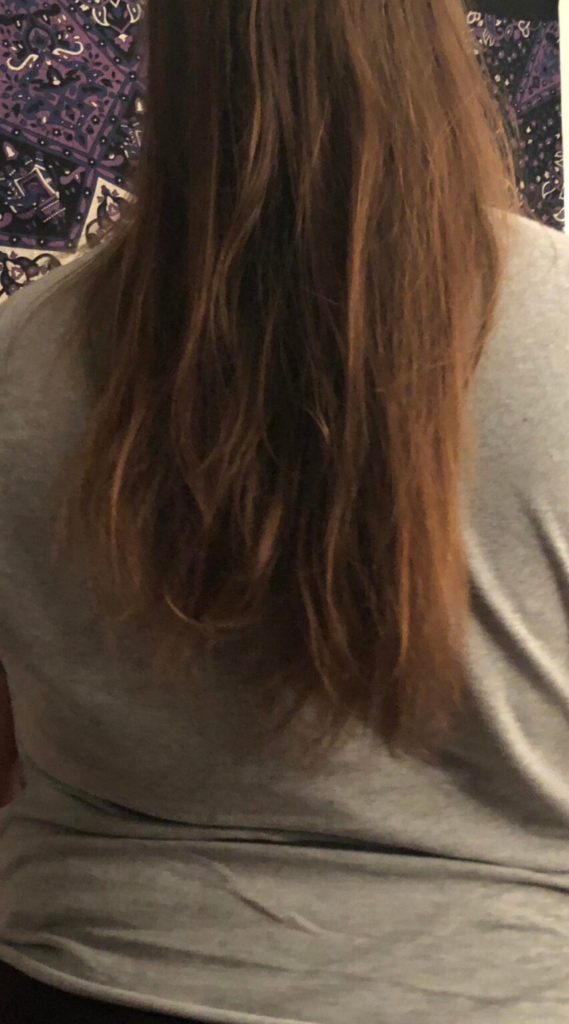
4. Protect Your Hair From Damage
Damage is one of the biggest reasons hair looks uneven. I focus on prevention more than repair.
Switch to silk or satin pillowcases to reduce friction while sleeping. Limit heat tools and always apply a heat protectant when styling.
Loose hairstyles like braids or buns can help reduce breakage.
Pro Tip: Tight hairstyles can pull hair from the roots—this slows growth in specific areas and worsens unevenness.

by reddit user Organic_Sherbert2410
5. Focus on a Balanced Diet
Hair health reflects what you eat. I’ve noticed better results when diet supports growth.
Include protein-rich foods like eggs, fish, and nuts. Vitamins like Biotin, Vitamin A, C, and E help strengthen strands and reduce breakage.
Stat: Protein deficiency is linked to increased hair shedding and weaker strands.
Pro Tip: If your diet lacks nutrients, supplements can help—but food sources are always more effective long term.
6. Use Targeted Hair Treatments
Targeted treatments can help weaker sections catch up.
I recommend using oils like castor oil or growth serums with biotin and peptides. Apply them consistently, especially on thinner or shorter areas.
Insight: Consistency matters more than the product itself. Results usually show after 8–12 weeks.
Pro Tip: Don’t overload hair with too many products—it can cause buildup and slow progress.
7. Be Patient and Consistent
Hair growth takes time. On average, hair grows about 6 inches per year, so visible balance won’t happen overnight.
I focus on consistency—routine trims, proper care, and avoiding damage.
Pro Tip: Take monthly progress photos. It helps track growth and stay motivated.
What Causes Uneven Hair Growth? Understanding the Problem
Uneven hair growth usually comes down to external factors rather than genetics.
- Damage: Heat tools and chemicals weaken strands
- Health Factors: Stress and hormonal changes can slow growth
- Sleeping Habits: Friction on one side can cause breakage
Once I identify the cause, it becomes much easier to fix the issue.
Additional Follow-Up Questions
1. Can uneven hair growth fix itself naturally?
Yes, in many cases it can. With proper care and less damage, hair gradually evens out over time.
2. How often should I trim my hair when growing out uneven ends?
Every 6–8 weeks works best to maintain shape without losing too much length.
3. Should I use different products for uneven hair?
Not necessarily. I focus on repairing and strengthening products rather than switching everything.
How to Style Uneven Hair While Growing It Out
Styling makes a big difference while waiting for hair to even out.
I usually go for textured styles like loose waves or curls—they hide uneven lengths better than straight styles. Side parts and layers also help balance the look.
Accessories like headbands or scarves can shift attention away from uneven areas.
Pro Tip: Avoid sleek straight styles if your lengths are very uneven—they make differences more noticeable.
Additional Follow-Up Questions
1. What are the best hairstyles to hide uneven hair?
Loose waves, messy buns, and layered cuts work well to disguise uneven lengths.
2. Should I avoid straightening uneven hair?
It’s better to limit it. Straight hair shows uneven ends more clearly.
3. Can uneven hair affect future haircuts?
Yes, but only temporarily. Regular trims will help maintain balance for future styles.
Final Thoughts
Growing out uneven hair takes patience, but it’s completely manageable with the right routine. I focus on reducing damage, supporting growth, and keeping hair looking balanced along the way.
Small consistent steps—like better diet, scalp care, and regular trims—make a noticeable difference over time. Stick with it, and the results will follow.