32 Short Pixie Haircuts for Thin Fine Hair: Stylish Ideas to Boost Volume and Confidence
If you’re dealing with thin, fine hair and considering a pixie cut, you’re stepping toward one of the smartest styling choices available. Short pixie haircuts for thin fine hair solve a problem that many people with delicate strands face: longer hair often highlights thinness rather than concealing it.
The right pixie creates structure and movement that thin hair struggles to achieve at longer lengths. The key isn’t fighting your hair type—it’s working with it strategically. A well-cut pixie can make fine hair look thicker, fuller, and more intentional than it ever did long.
This guide covers 32 genuinely flattering pixie styles, plus the maintenance and styling tricks that actually work for fragile strands. Each option accounts for how fine hair behaves, what products actually help (versus make it worse), and which cuts photograph best.
Key Takeaways:
- Textured layers and tapered sides create fullness illusion without adding bulk
- Fine hair benefits from cuts that hug the head but feature lift at the crown
- Color choices matter: contrasting tones and cooler shades add dimension to delicate strands
- Maintenance every 4-6 weeks keeps shape crisp and preserves the volume-enhancing design
- Lightweight styling products work better than heavy gels or pomades for fine textures
- Face shape compatibility exists, but most pixies adapt well with proper customization
Why Fine Hair and Short Pixies Are a Match
Fine hair often looks flat and limp in longer styles because the weight pulls strands down. At 2-3 inches length, gravity no longer becomes the enemy. The structure of a well-executed pixie actually creates the appearance of density that long hair can’t achieve.
From a practical standpoint, pixies also reduce daily styling requirements. Fine hair doesn’t need extensive blow-drying, round-brush work, or heavy products—it actually looks better with minimal manipulation. This is genuinely freeing compared to the constant volume-chasing that longer fine hair demands.
The styling difference matters financially too. Clients report spending less on volumizing products and heat-styling tools, which means more money for quality haircuts that maintain the shape properly.
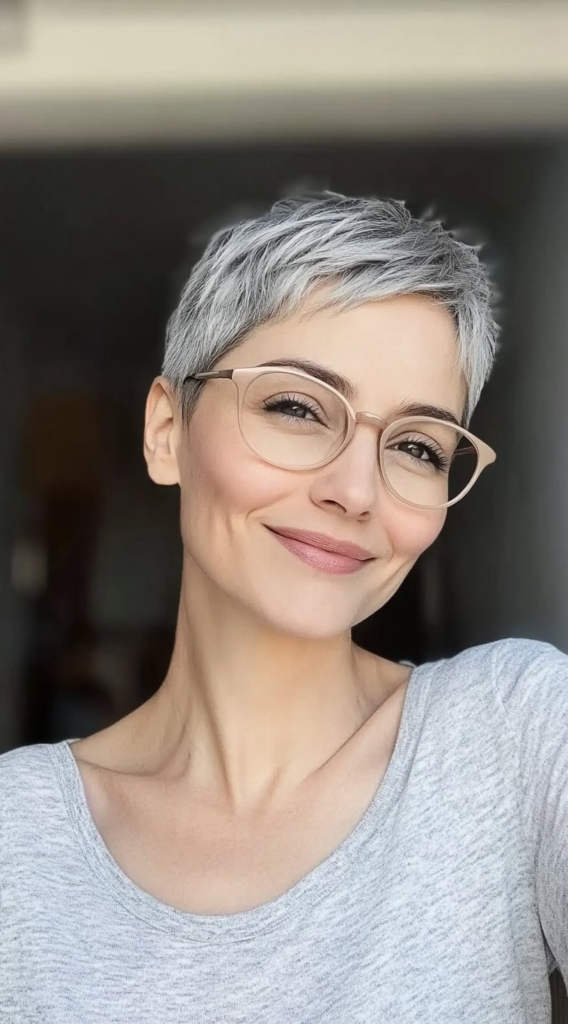
1. Textured Silver Pixie with Feathered Layers
A feathered silver pixie lifts without adding weight. The feathering technique creates separation between individual strands, making fine hair appear thicker through strategic air gaps rather than actual density.
Silver is particularly smart for fine hair because it reflects light evenly, creating the visual impression of fullness. Feathering at the crown adds lift that thin hair struggles to hold naturally. The neutral gray tone suits most skin tones and doesn’t require frequent color maintenance.
Styling takes roughly five minutes with a lightweight volumizing mousse applied at the roots. The texture handles second-day hair well, actually improving as natural oils add grip and definition.
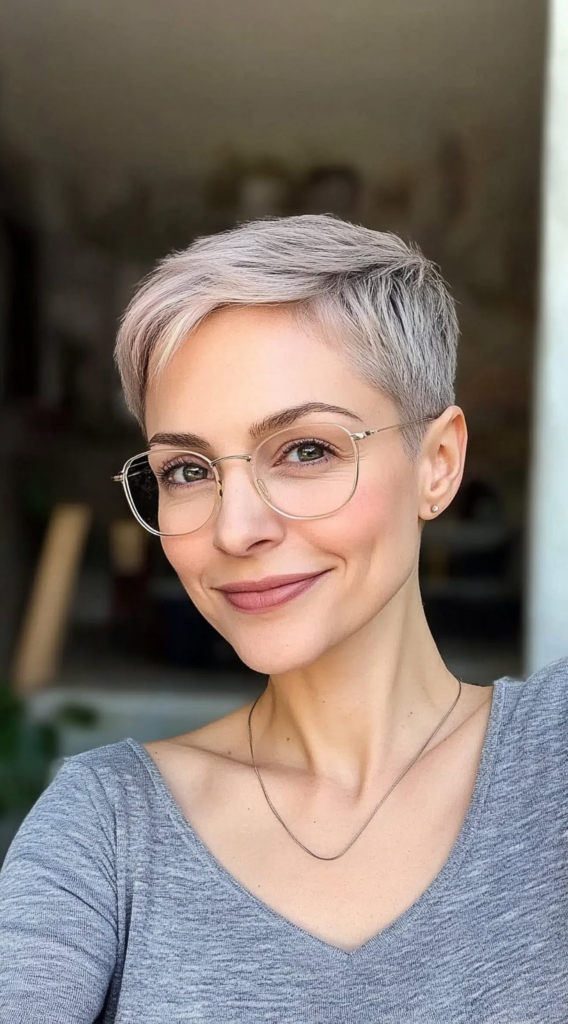
2. Soft Ash Pixie with Subtle Taper
An ash-blonde pixie with a subtle side taper works for people transitioning into very short hair. The softness comes from avoiding blunt edges—instead, layers create a lived-in aesthetic that hides imperfect regrowth.
The ash tone adds dimension that fine hair desperately needs. A good colorist places lighter and slightly darker shades to create visual texture where real texture is limited. The taper hugs the neck without severity—especially flattering on longer face shapes where the taper adds width.
This cut grows beautifully, maintaining shape for 6-8 weeks before needing a professional trim. Fine-haired clients appreciate that growth doesn’t immediately compromise the style.
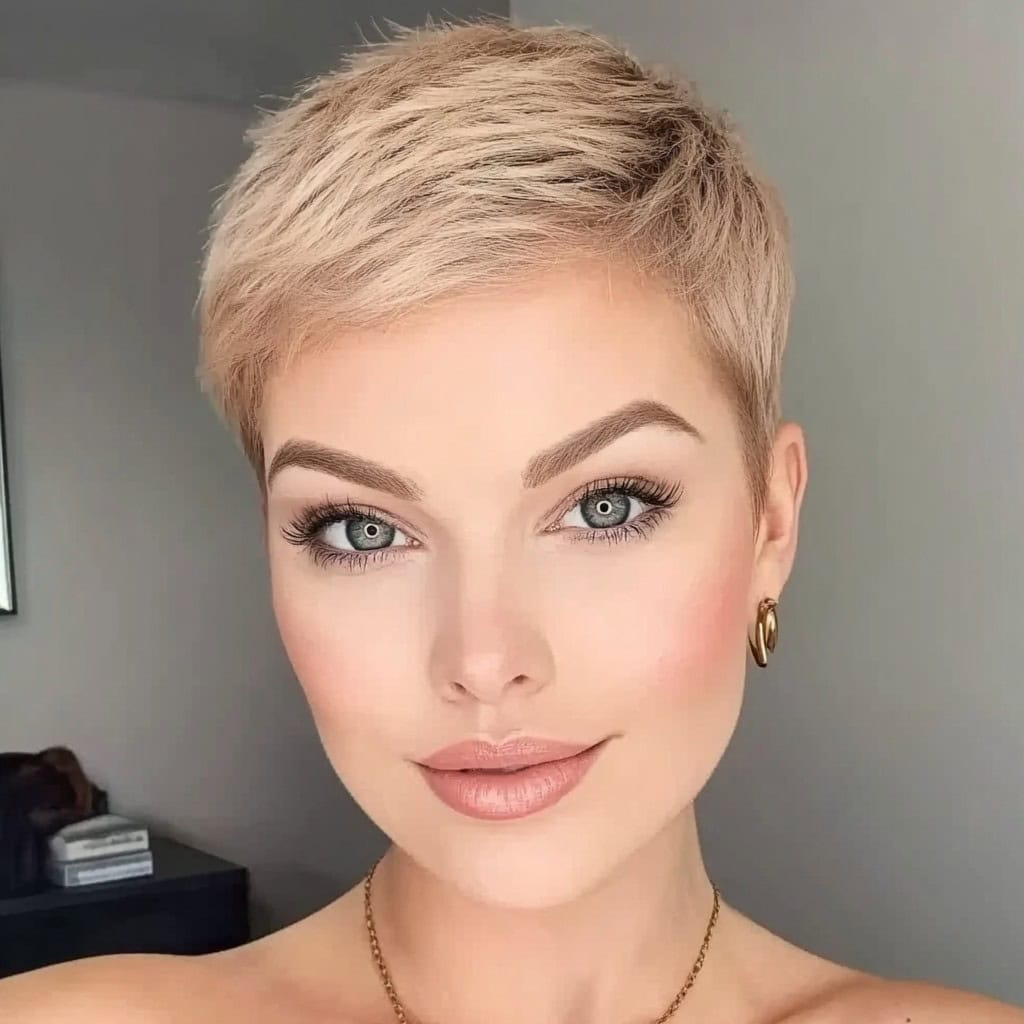
3. Classic Tapered Blonde Pixie
A clean tapered pixie in peachy blonde delivers structure without fussiness. The close-cut sides contrast with slightly longer crown length, creating dimension and shape that flat-lying fine hair needs.
Blonde specifically prevents the washed-out appearance that darker hair can create on pale complexions combined with fine texture. The taper elongates round faces and adds vertical proportion. This cut works across face shapes because the structure compensates for what fine hair can’t provide naturally.
Styling flexibility is a major advantage—you can wear it polished with a smoothing cream or tousled with a matte paste depending on the occasion. No single styling requirement exists.
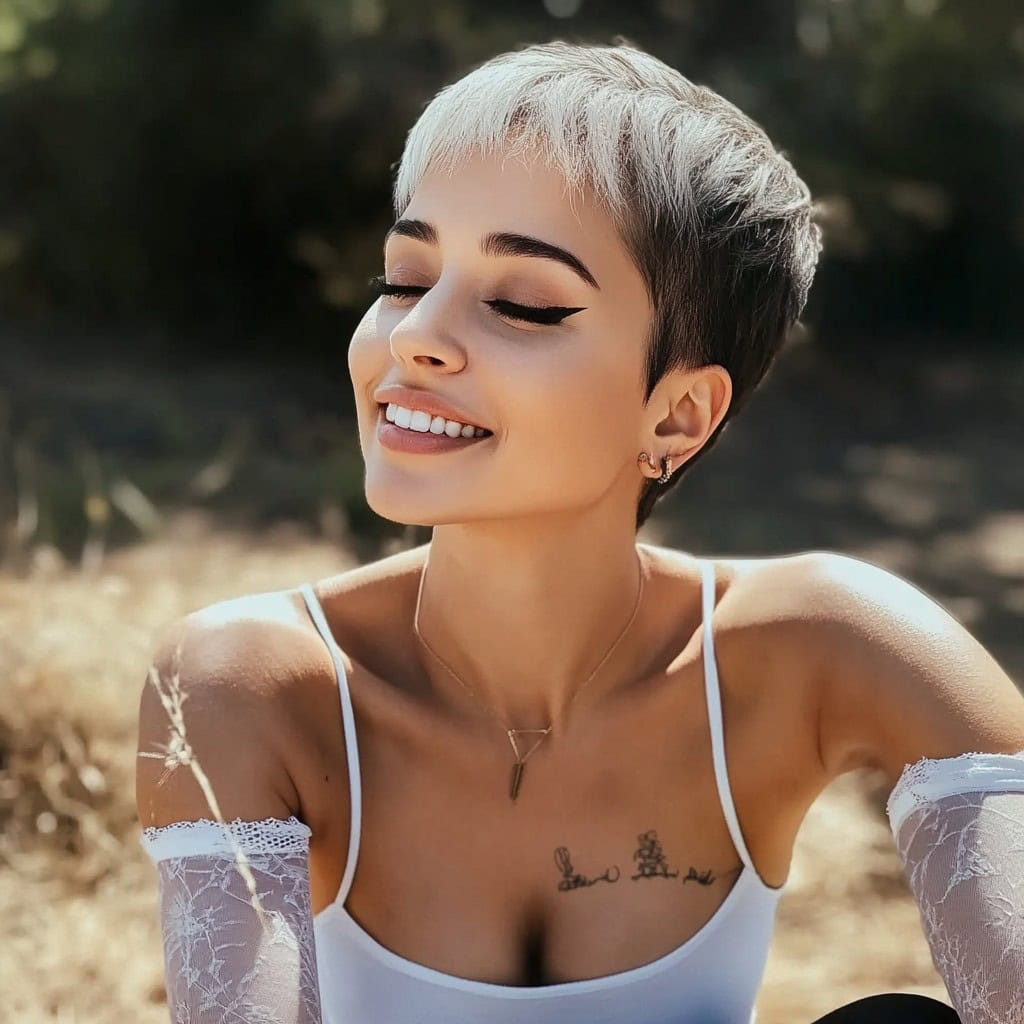
4. Two-Tone Micro Pixie with Dark Undercut
Contrast is a fine-hair secret weapon. A silver top with dark underneath creates the illusion of thickness through color blocking. When two colors are present, the eye perceives more dimension and fullness than actually exists.
The dark undercut serves practical and aesthetic purposes. Practically, it reduces the amount of bleaching damage (lighter hair everywhere requires more processing). Aesthetically, the contrast makes the silver pop. This approach appeals to people wanting bold style without high maintenance.
The cut itself is minimal—just close-cropped sides and slightly longer top. Styling involves finger-combing and possibly a light texture cream. The color contrast does most of the visual work.
5. Tousled Champagne Pixie with Choppy Fringe
A choppy fringe is perhaps the best trick for preventing pixies from falling flat. Short, choppy layers at the front create movement and prevent the style from looking one-dimensional. Champagne blonde adds a soft glow without the maintenance demands of pure platinum.
The choppy fringe frames the face and creates shadow and light play that makes fine hair appear textured. It suits both square and oval faces by adding softness to angular features or definition to rounder ones.
Maintenance requires just finger-styling with a light paste or dry wax. The choppy cut is forgiving—imperfect styling actually looks intentional and modern.
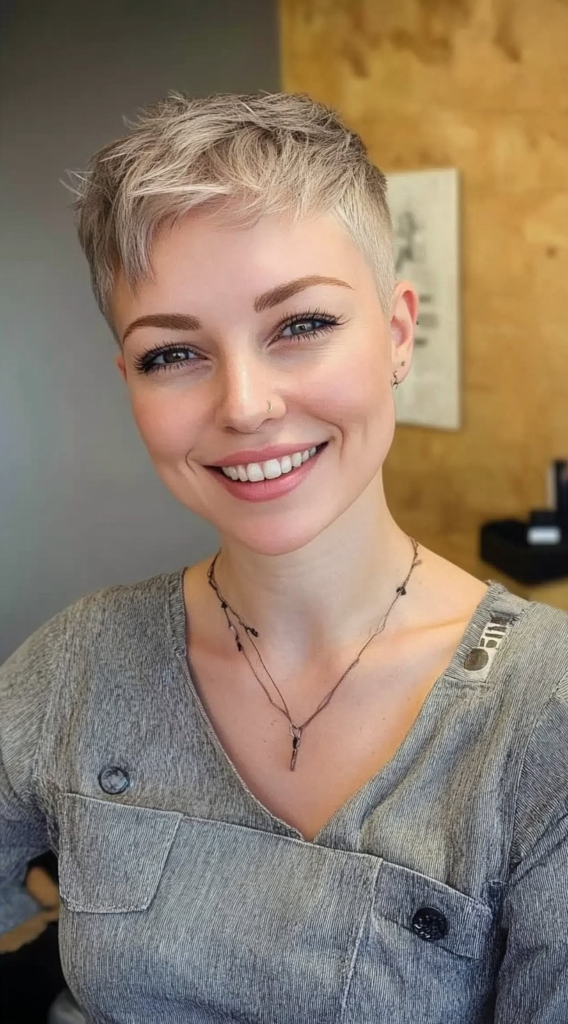
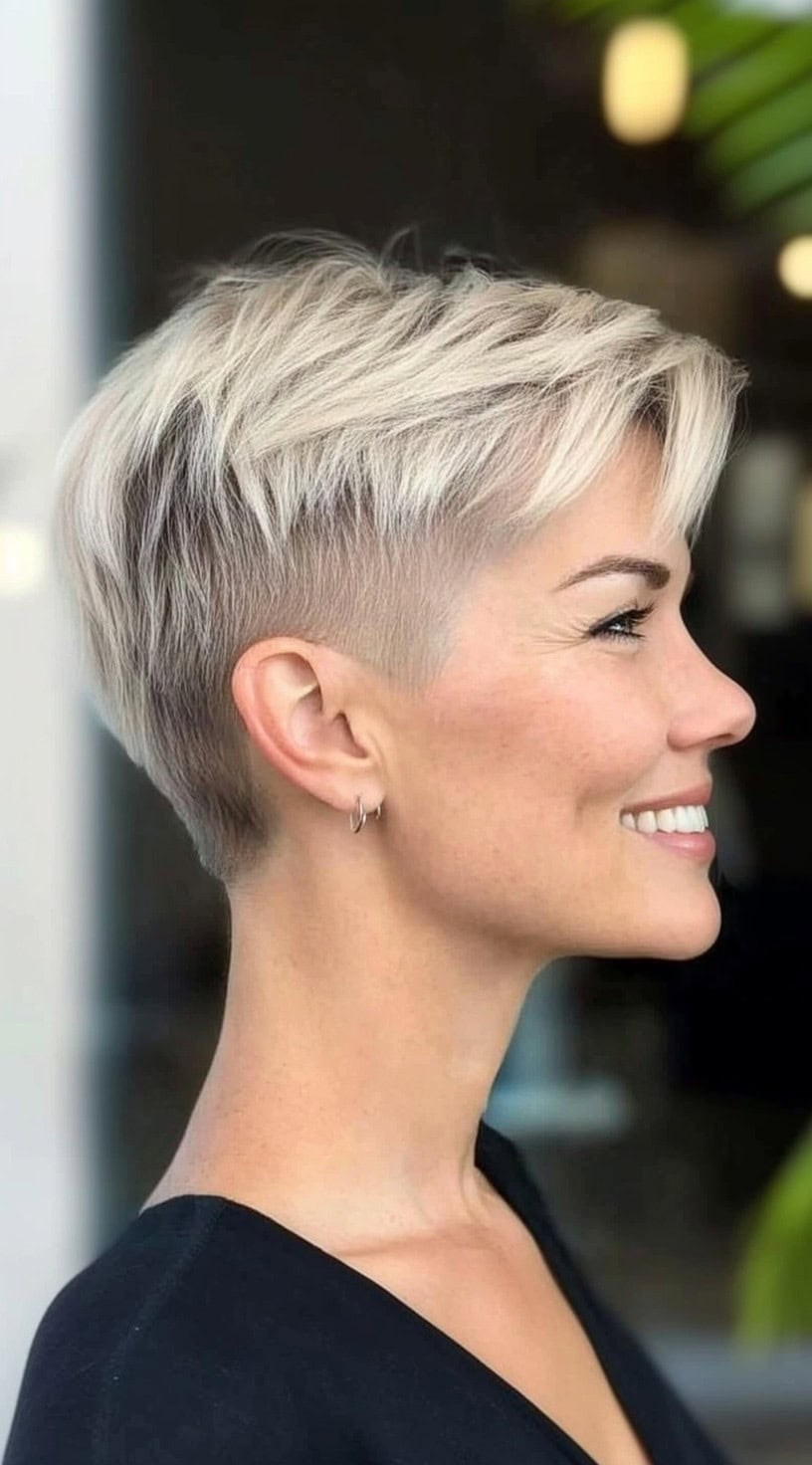
6. Spiky Blonde Pixie with Dark Root Contrast
Spiky styling creates visible texture where fine hair naturally lacks it. Dark roots contrasting against light blonde tips add dimension that single-tone color can’t achieve. The contrast ratio itself tricks the eye into perceiving thickness.
This approach is perfect for people who want personality and edge without committing to permanent dark color underneath. The roots are easy to touch up with a temporary color spray or toner. Regular root maintenance (every 4 weeks) keeps the contrast sharp and the fullness illusion intact.
Styling is straightforward—a lightweight pomade applied to damp hair and finger-styled while drying creates the spiky effect without heaviness.
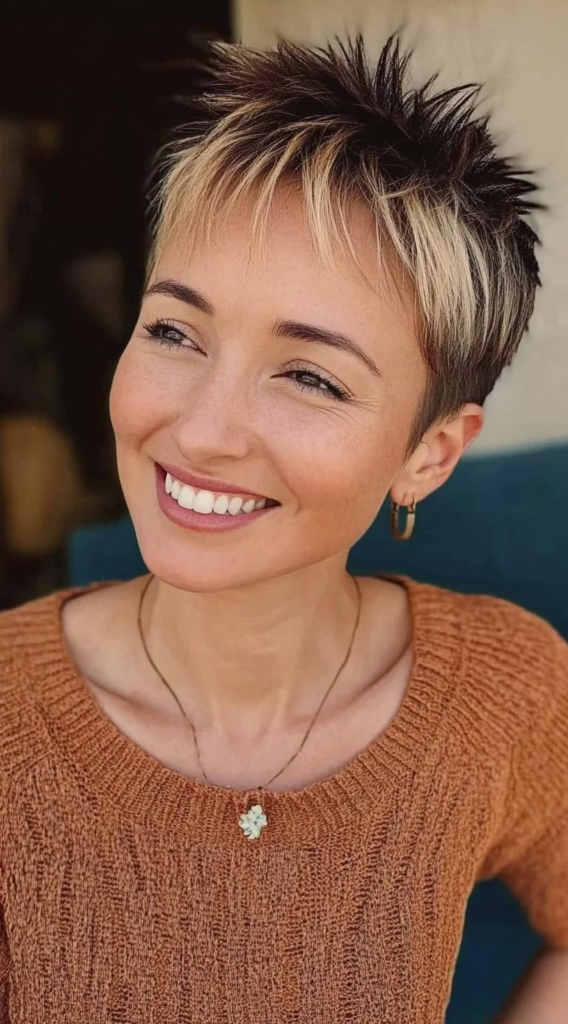
7. Sleek Golden Pixie with Soft Side Bangs
Golden blonde with a soft side-swept fringe creates femininity without sacrifice of structure. The side bangs provide framing that flatters most faces while adding movement. Warmth in the color brightens fine hair and creates the appearance of light reflection (which reads as fullness).
This pixie sits between edgy and approachable—perfect for people wanting professional polish without severe aesthetics. The soft side bangs are particularly flattering for longer or narrower faces, adding width and softness.
Styling requires minimal effort. A light styling cream keeps the bangs in place without stiffness. The warm tone doesn’t show root growth as dramatically as platinum, extending time between color appointments.
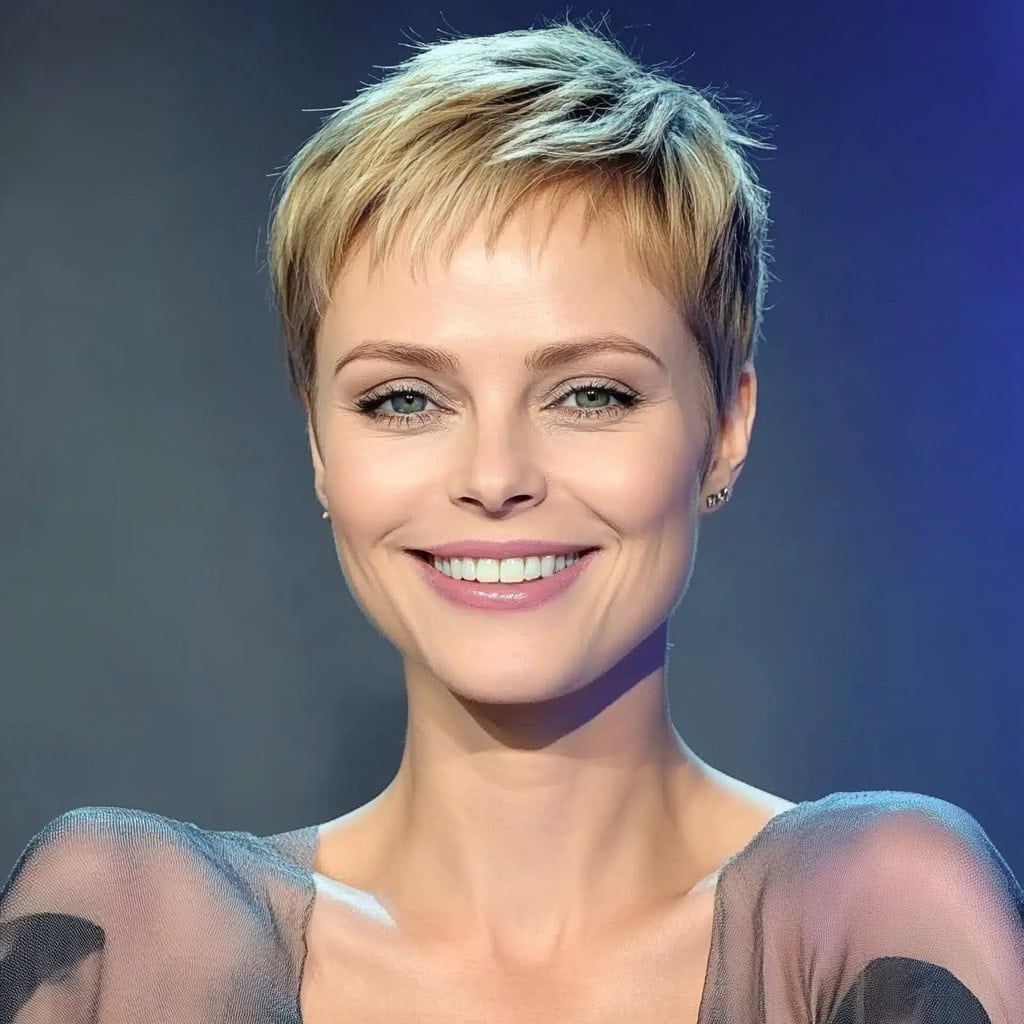
8. Sleek Gray Pixie with Rounded Edges
A rounded pixie avoids the harsh angles that can make thin hair look even thinner. The curved silhouette hugs the head while softening facial features. Gray or silver tones bring out natural skin undertones and add sophistication.
Rounded edges are particularly flattering for people with fine hair because they create a gentle, intentional shape rather than the choppy or spiky texture some pixies demand. The smoothness brings out natural sheen, especially important for gray hair where shine prevents the color from looking dull.
Regular trims every five weeks maintain the rounded shape. Fine hair actually benefits from frequent trims—the cut deteriorates faster on delicate strands, so staying ahead of breakage prevents a scraggly appearance.
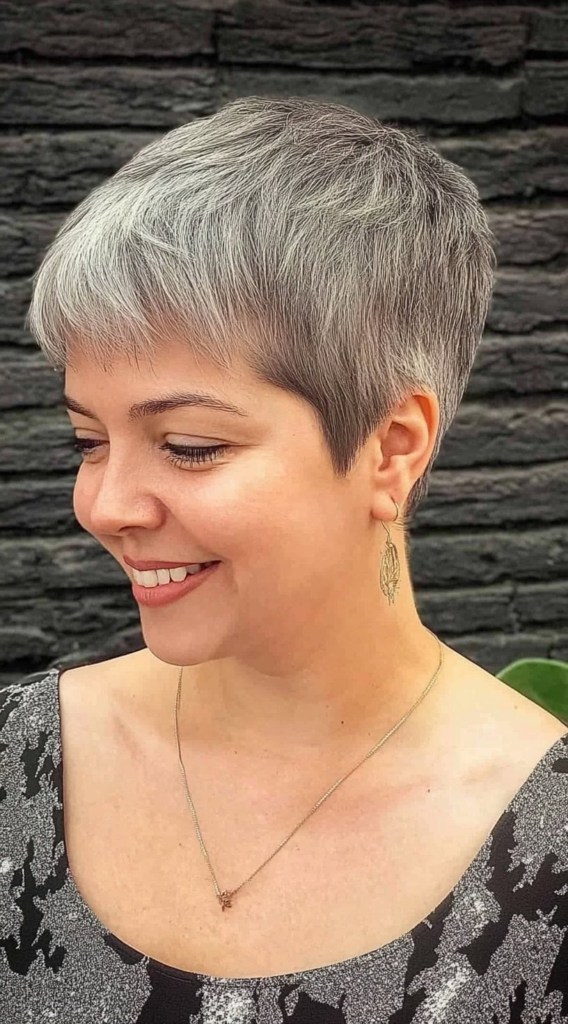
9. Icy Blonde Crop with Tapered Nape
An icy blonde crop is shorter than traditional pixies, working for people ready to commit fully to very short hair. The icy tone reflects light maximally, crucial for fine hair needing visual density. The tapered nape keeps the back tidy without appearing harsh.
This crop photographs beautifully—the short length and reflective color create striking images. It’s practical for active lifestyles because it requires virtually zero styling. The short length means faster hair growth that doesn’t compromise style—maintenance is simpler than longer pixies.
An icy blonde crop reduces product dependency significantly. Most fine-haired clients need only occasional dry shampoo and a quarterly trim to maintain pristine appearance.
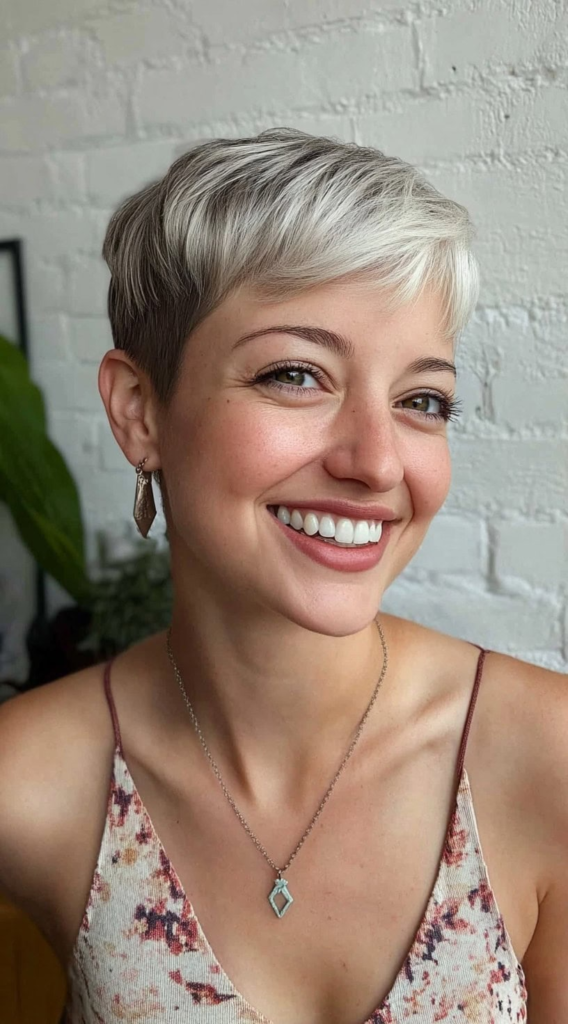
10. Buzzed Pixie with Skin-Fade Detail
For people ready for minimalism, a buzz cut might seem counterintuitive for fine hair. However, extremely short length actually emphasizes facial structure and features more effectively than attempting to create fullness through length.
A skin-fade (where the sides gradually blend from very short to slightly longer) adds sophistication without visual heaviness. Fine hair that’s this short reads as intentional and strong rather than thin or sparse. The styling freedom is complete—no products needed, no styling time required.
The psychological shift is profound. Clients often report feeling more confident and powerful in buzz cuts than in longer styles. The commitment to accepting fine hair rather than fighting it creates genuine style credibility.
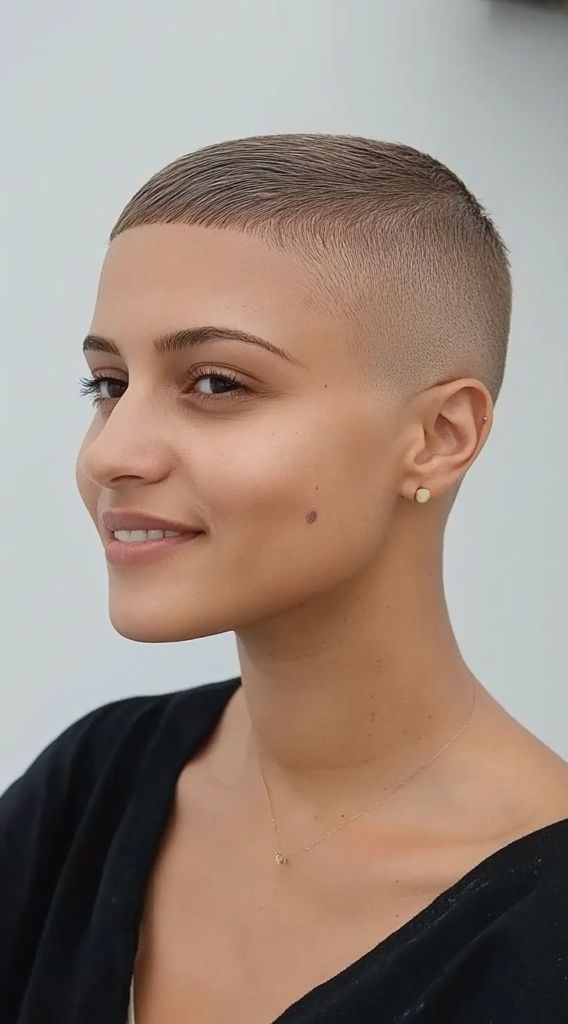
11. Platinum Buzz Cut with Clean Fade
Platinum blonde on a buzz cut maximizes light reflection. The color combined with extremely short length creates a bold, confident aesthetic. A clean fade (where sides gradually transition from skin-length to slightly longer crown) adds refinement.
This style suits people with strong facial structure because it removes any distraction from features. Cheekbones, jawline, brows, and eyes become the focus. Fine hair stops being perceived as a limitation and instead becomes part of a deliberate, minimalist aesthetic.
Maintenance is genuinely minimal. A trim every 3-4 weeks keeps the fade sharp. A purple shampoo weekly prevents brassiness. That’s essentially the entire maintenance routine.
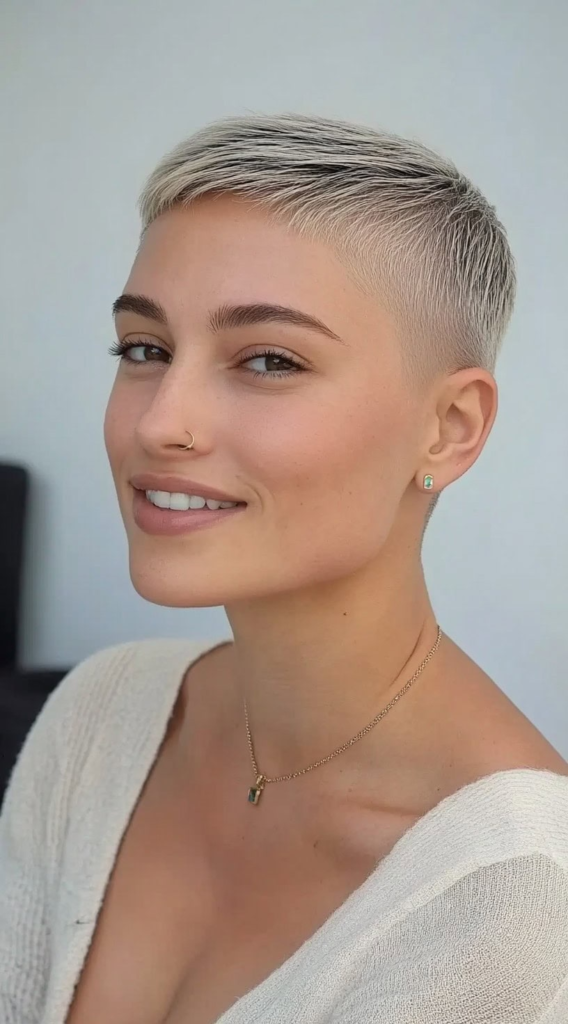
12. Smoky Textured Crop with Undercut
An ash-toned crop with texture on top and a faded undercut creates contrast without heaviness. The undercut removes bulk at the sides while the textured crown retains length for styling options. Smoky ash prevents the washed-out appearance that some cool tones create on fine hair.
The texture is crucial for this style—it breaks up the surface and adds visual interest where fine hair naturally lacks texture. A good stylist uses texturizing shears and point-cutting techniques to create separation rather than blunt lines.
Styling requires minimal products. A matte clay applied to damp roots and finger-combed creates definition without stiffness or weight. The muted ash tone photographs beautifully in varied lighting.
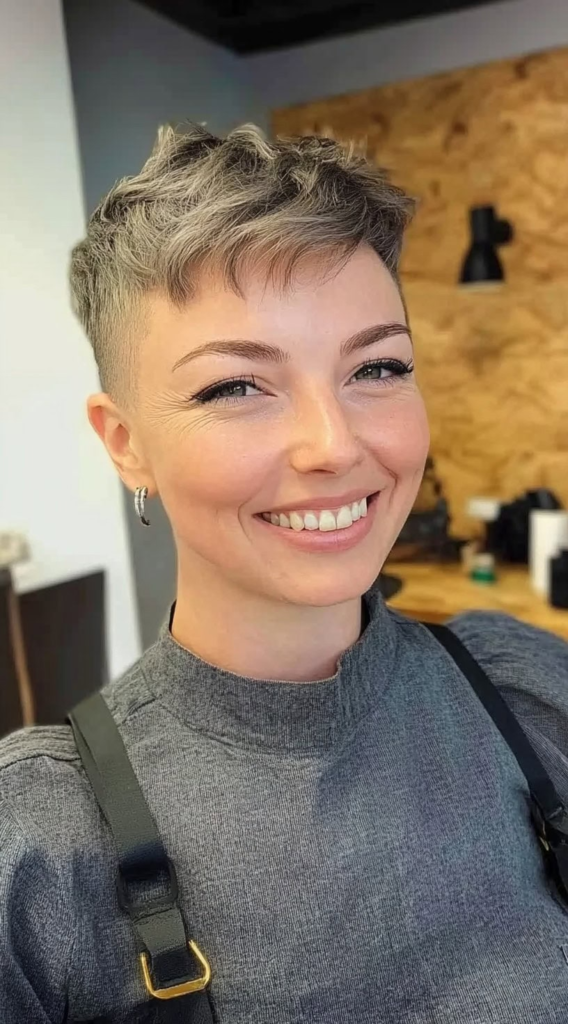
13. Side-Parted Fade with Smooth Crown
A precision side part with a fade reads as sharp and intentional. The smooth crown (no texture) plays well with naturally straight fine hair. The deep side part adds asymmetry that prevents the flat appearance thin hair sometimes has.
This style is remarkably versatile despite appearing structured. The crown can be slicked flat for maximum polish or slightly textured for casual wear. The fade keeps everything lightweight—no bulk building up at the sides.
This cut requires precision styling daily, so it works best for people comfortable with a five-minute styling routine using a small amount of pomade or smoothing cream.
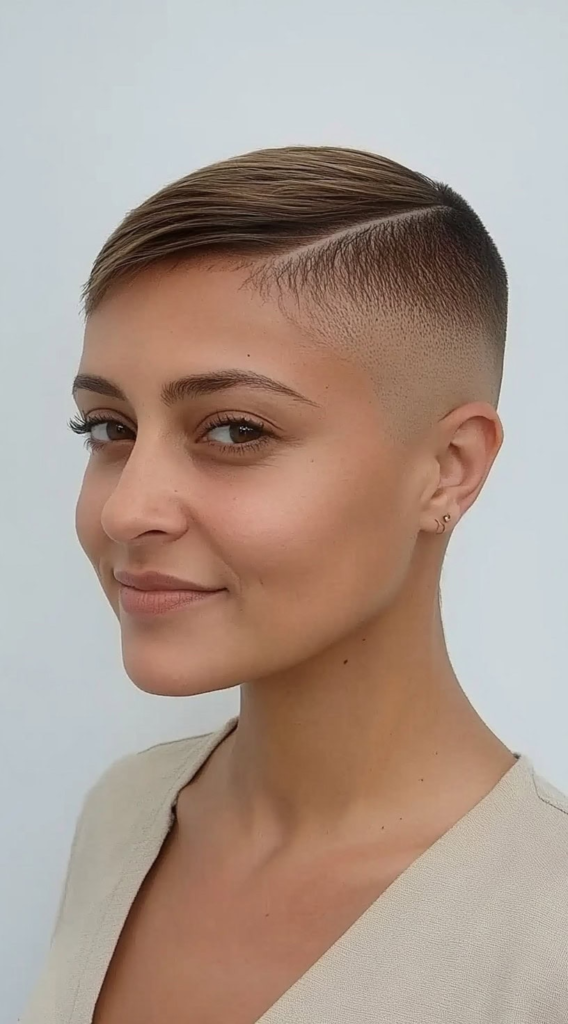
14. Frosted Pixie with Tapered Volume
Frosted tips (lighter ends with darker roots) create the visual illusion of dimension and thickness. The tapered sides keep the cut from feeling heavy while the slightly longer crown provides volume. This approach works because the color contrast is doing the heavy lifting.
The volumized crown is specifically designed for fine hair that lacks natural body. The taper prevents weight accumulation that would flatten the style. This combination creates the best of both worlds—shape and lift.
Maintaining frosted tips requires weekly color-depositing conditioner to refresh the icy tone. The roots naturally blend the color, so precise root touch-ups aren’t necessary like they are with solid colors.
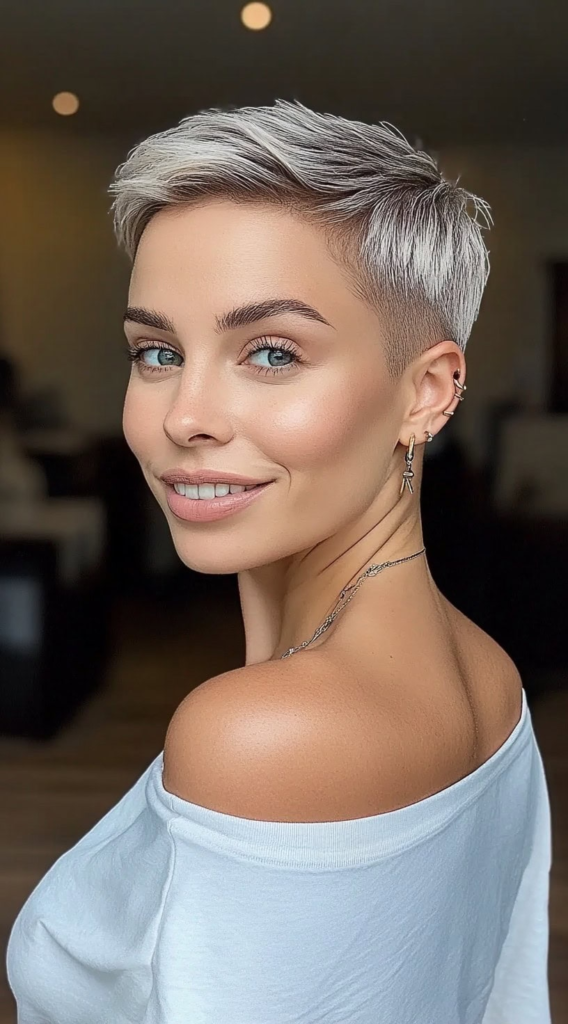
15. Retro Finger Waves on Tapered Pixie
Finger waves add vintage glamour without weight. The sculpted waves create texture and form entirely through technique rather than actual bulk. Two-tone color (platinum blonde and black) keeps the look modern rather than costume-y.
Finger waves are surprisingly functional on fine hair because they don’t require layering. Instead, a stylist creates the wave pattern through set technique and precision cutting at specific angles. The effect is sophisticated and utterly unique.
This style requires touch-ups every 6-8 weeks to maintain wave placement as hair grows. It photographs exceptionally well, making it ideal for people who value image quality.
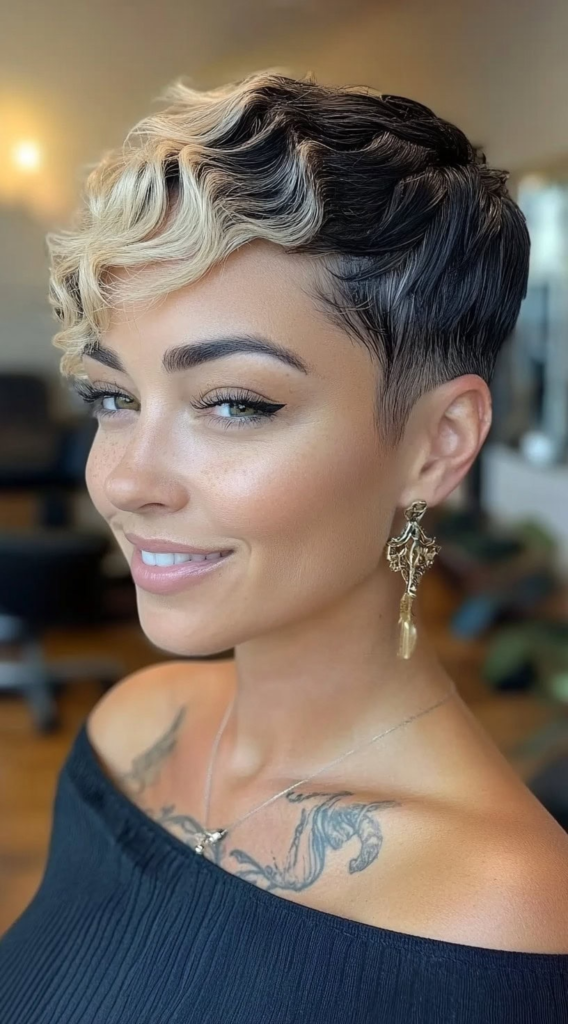
16. Crisp Bleach Blonde Crop with Tidy Edges
A bleach blonde crop reads as intentional and editorial. The brightness creates maximum light reflection, crucial for making fine hair appear denser. Tidy edges (no ragged or choppy cuts) create a polished impression.
The crop length is shorter than traditional pixies—roughly 1.5 inches at the crown. This length suits people with confident style sensibilities who don’t want any styling ambiguity. The direction is clear: sleek, minimal, intentional.
Maintenance involves quarterly trims and weekly purple shampoo. A tiny amount of shine serum adds gloss without weight. The simplicity is actually the sophistication.
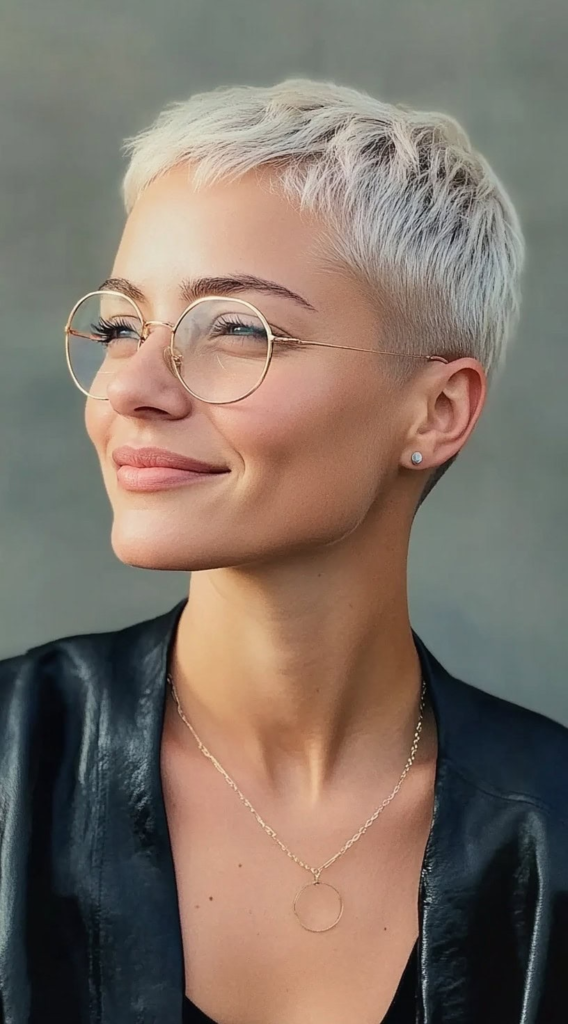
17. Blonde Pixie with Lavender Tint and Choppy Layers
Blonde with lavender tint offers color play without commitment. The tint fades within 4-6 weeks, allowing experimentation without semi-permanent dye consequences. Choppy layers prevent flatness while the soft color keeps the overall aesthetic approachable.
The lavender tint works particularly well for fine hair because the pale, cool tone adds dimension without dark roots showing as obviously as they do with platinum. The color shift is forgiving as it fades.
Choppy layering is protective for fine hair—the individual strands have space to breathe, preventing the matted appearance that heavy, blunt cuts create. Styling requires only a color-depositing conditioner and a light texture spray.
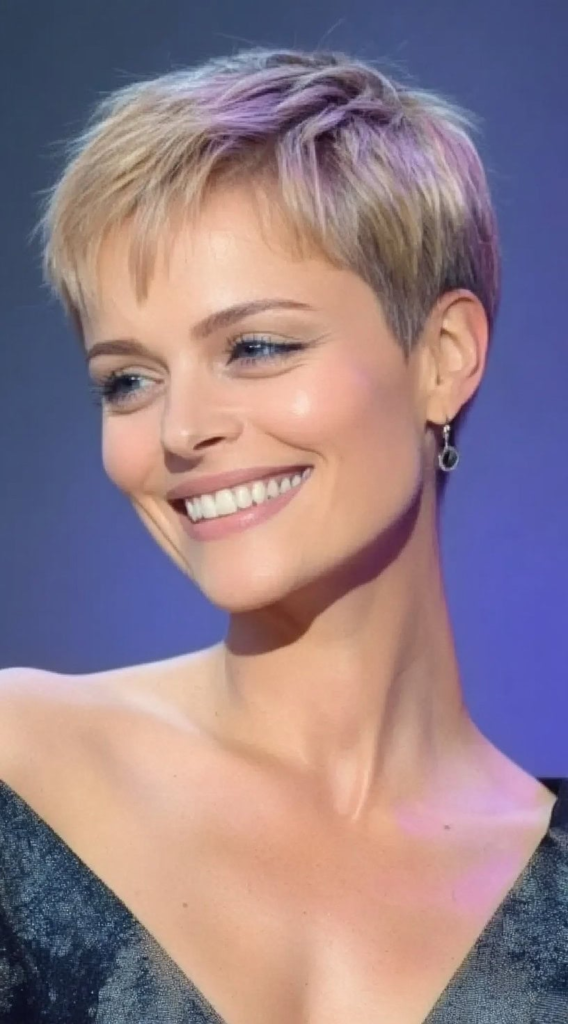
18. Wispy Pixie with Frosted Bangs
Wispy cuts are specifically designed for fine hair. The layers create air gaps that improve the appearance of fullness. Frosted bangs (lighter-tipped) draw attention upward and frame eyes. This combination is flattering for narrow or long face shapes.
Wispy doesn’t mean shapeless—a skilled stylist creates intentional layers with specific lengths and angles. The randomness is designed, not accidental. The result is movement and life that fine hair struggles to achieve naturally.
Styling is genuinely effortless. A texture spray and finger-combing is often all that’s needed. The cut is forgiving on second-day hair, actually improving as natural oils add grip.
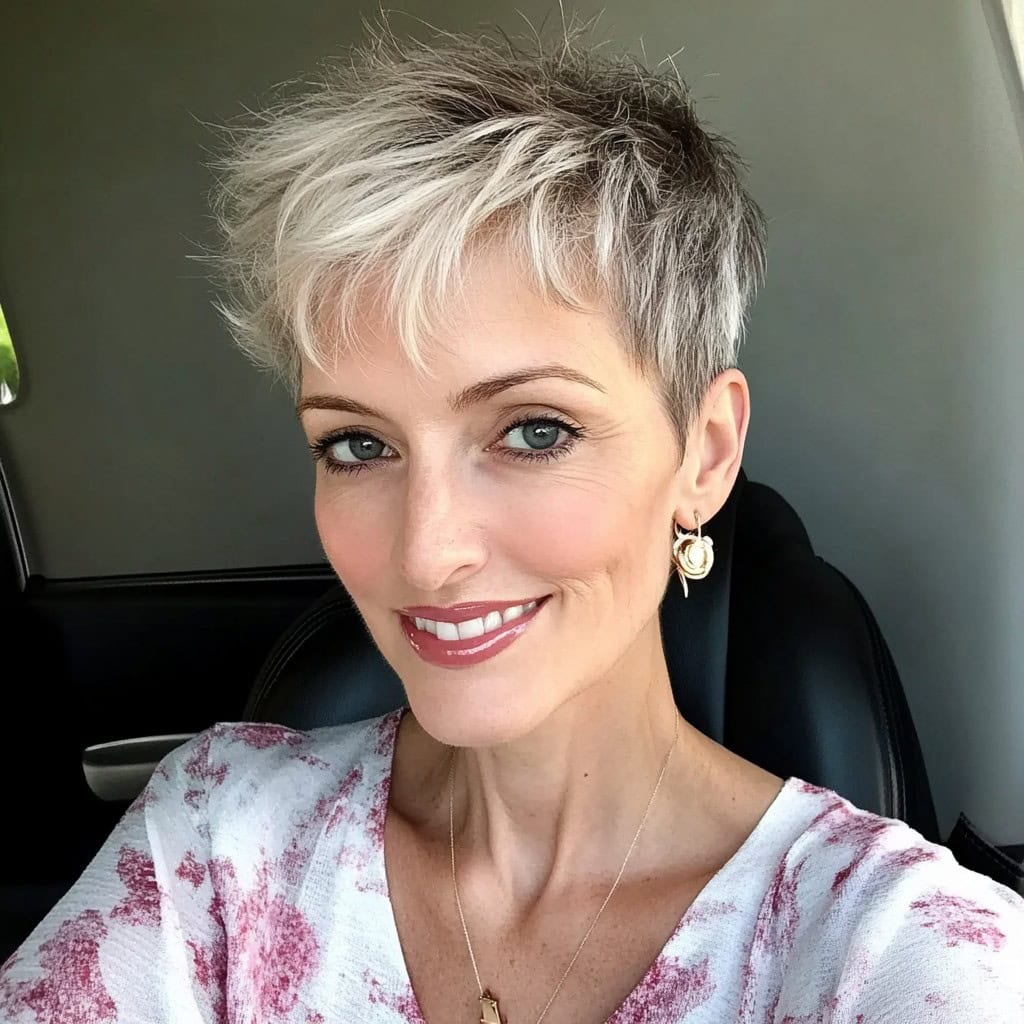
19. Polished Platinum Pixie with Close Sides
A polished platinum pixie with close sides is the definition of “effortless elegance.” The platinum shade reflects light maximally while the structured sides create intentional shape. There’s no attempt to hide the fine hair texture—instead, the precision of the cut celebrates it.
This style works across all face shapes because the polish compensates for any proportional concerns. The editorial quality comes from precision rather than complexity. A skilled stylist executing this cut cleanly is more important than the cut’s intricacy.
Maintenance requires weekly purple shampoo and a trim every 5 weeks. The platinum is high-maintenance in terms of color, but the cut itself is low-maintenance in terms of styling.
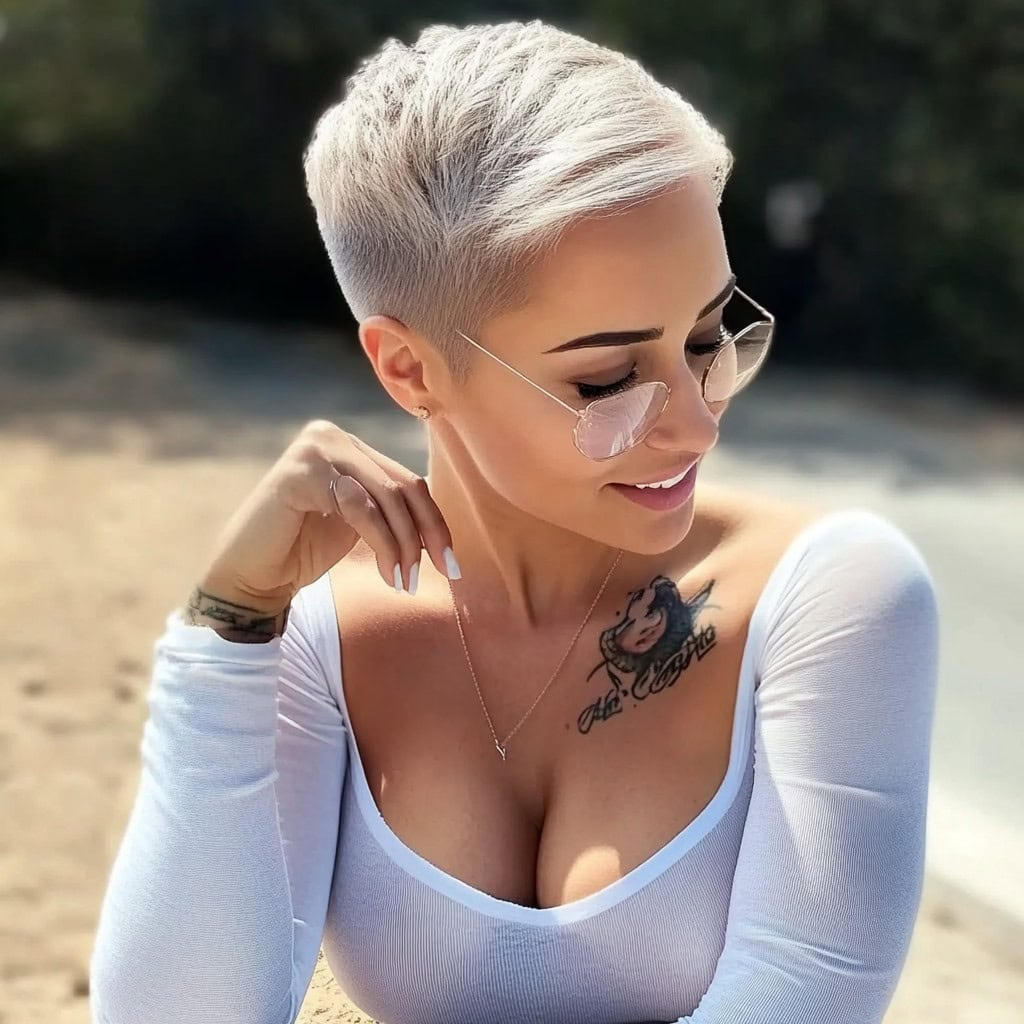
20. Sandy Blonde Tapered Pixie with Glasses
A warm, sandy blonde with a subtle taper complements glasses beautifully. The warmth prevents the color from competing with frames. The taper adds shape without severity—important when glasses already add visual weight to the face.
This cut is timeless and professional without being boring. The sandy tone appears more natural than platinum, requiring less frequent color maintenance. The growth is also more forgiving—roots blend naturally with sandy blonde in ways they don’t with cooler tones.
The cut works across face shapes and grows out gracefully, maintaining visual appeal even at 8-10 weeks without a trim. For people busy or living far from their stylist, this grace period is genuinely valuable.
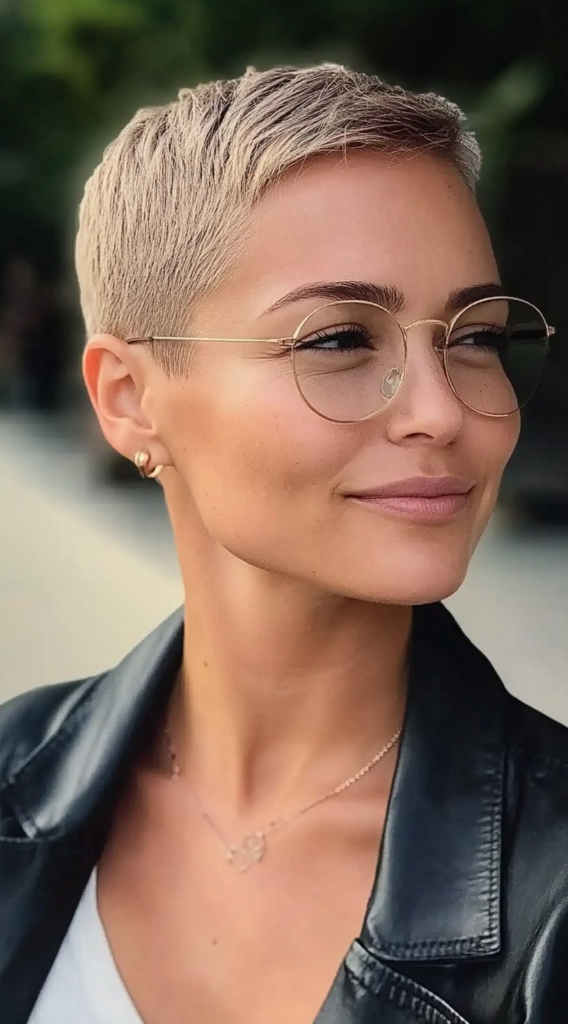
21. Bleached Buzz Cut with Soft Fade
A bleached buzz represents maximum confidence in one’s features and natural fine hair texture. The platinum extreme color combined with very short length creates a bold statement. The soft fade (gradual side transition) prevents harshness.
This cut is for people who’ve moved past trying to fake volume and instead want to showcase their face and features. The styling freedom is complete—zero products, zero styling time, zero compromise. The cut either works for someone’s aesthetic or it doesn’t, which is refreshingly clear.
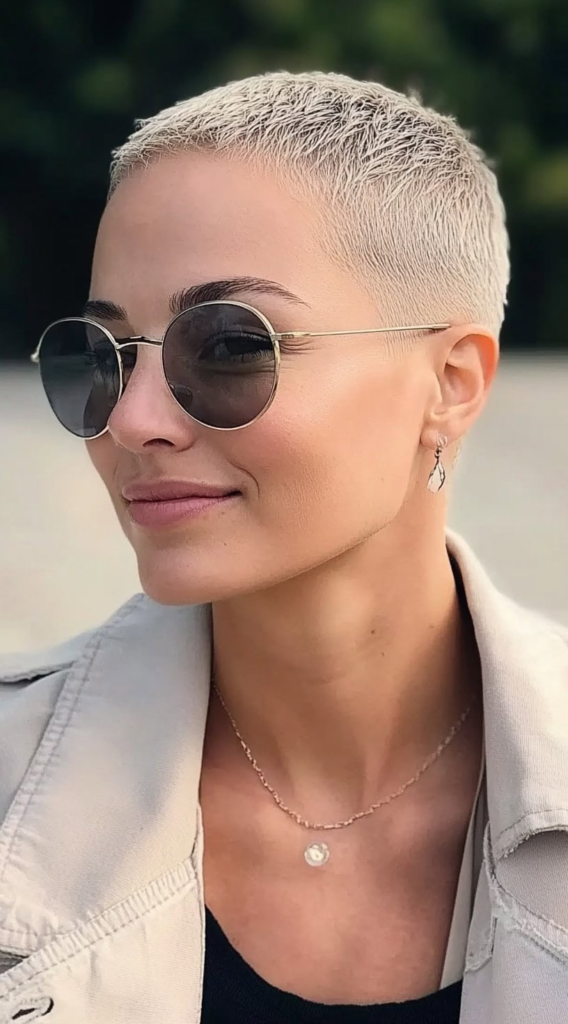
Maintenance is minimal: trim every three weeks, purple shampoo weekly, and scalp moisturizer occasionally. That’s genuinely the full routine.
22. Baby Blonde Crop with Delicate Taper
Baby blonde (creamy, very light blonde) is softer than icy tones while still adding brightness. The delicate taper (minimal fade, more gradual transition) keeps the cut from feeling severe. This combination appeals to people wanting short hair without aggressive aesthetics.
The soft blonde prevents the “corporate” vibe that some pixies carry. The delicate approach prioritizes femininity without sacrificing structure. Fine hair that’s worried about looking masculine often finds this style strikes the right balance.
This cut grows out beautifully due to the subtle taper—there’s no harsh line that becomes visible as hair grows. You might go 8-10 weeks comfortably between trims.
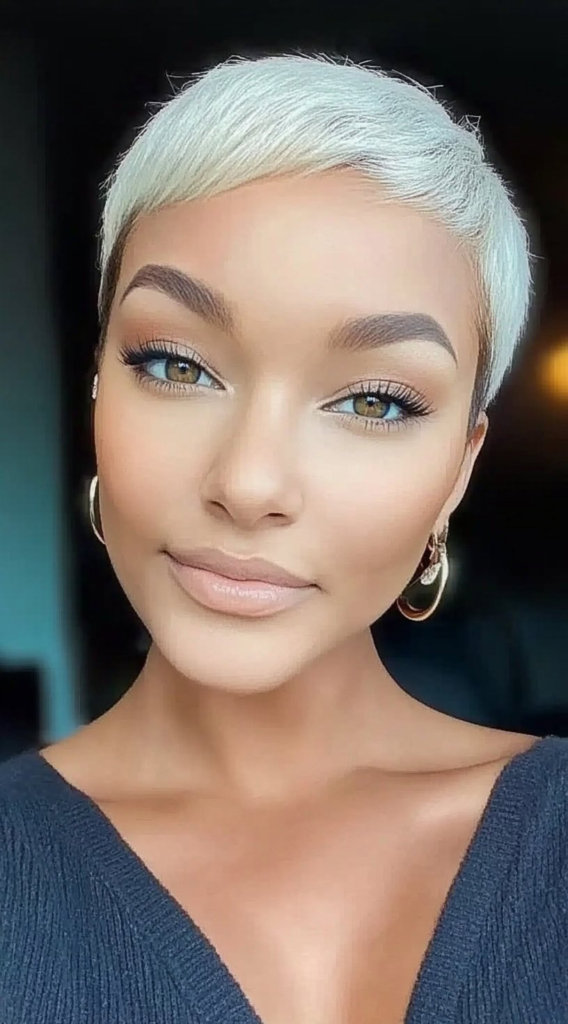
23. Pearly Ash Pixie with Micro Fringe
A pearly ash tone sits between warm and cool, flattening most skin tones positively. The micro fringe (very short, blunt bangs) is a statement element that draws attention to eyes. This style requires confidence in facial features but rewards that confidence with striking results.
Micro fringes suit people with balanced facial proportions—they’re less forgiving than longer bangs. However, on the right person, they create an editorial, high-fashion impression that’s unforgettable.
The pearly ash is forgiving color-wise. Roots blend naturally, and the tone doesn’t show yellowing or brassiness as quickly as pure platinum. Maintenance is reasonable: monthly color touch-ups, weekly toning shampoo, and regular trims.
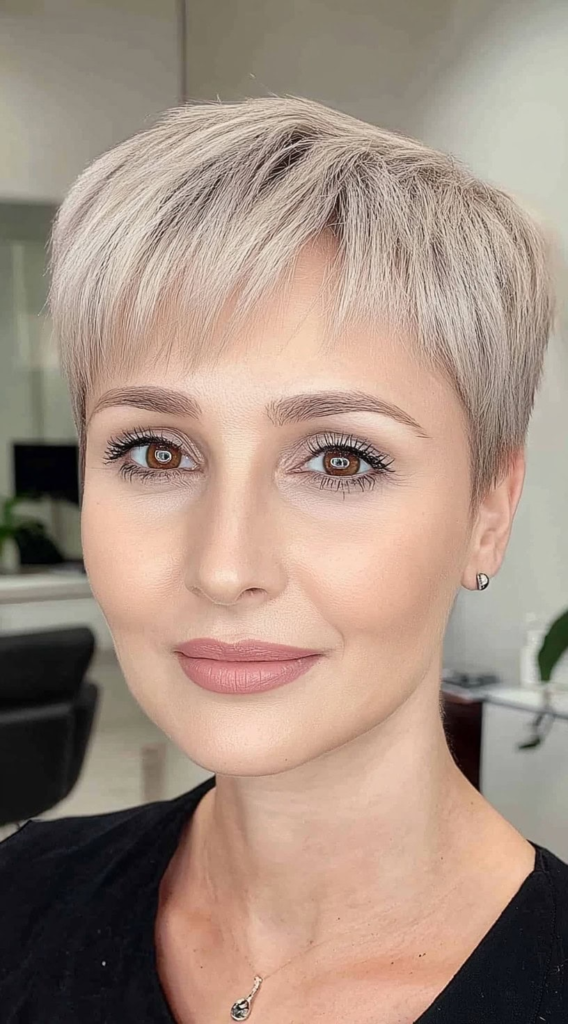
24. Tawny Blonde Pixie with Soft Texture
Tawny (warm, slightly deeper blonde) with soft texture is the approachable pixie. It’s short enough to be practical but textured enough to feel intentional rather than sparse. The warmth flatters most complexions and makes fine hair appear less fragile.
The soft texture is created through specific layer placement and length variation. A stylist creates intentional unevenness that prevents the blunt, flat appearance. The effect is carefree without being messy.
Styling requires barely any effort—a smoothing cream or texture spray and that’s genuinely sufficient. The warm tone requires less frequent color maintenance than cooler shades, making this practical for busy people.
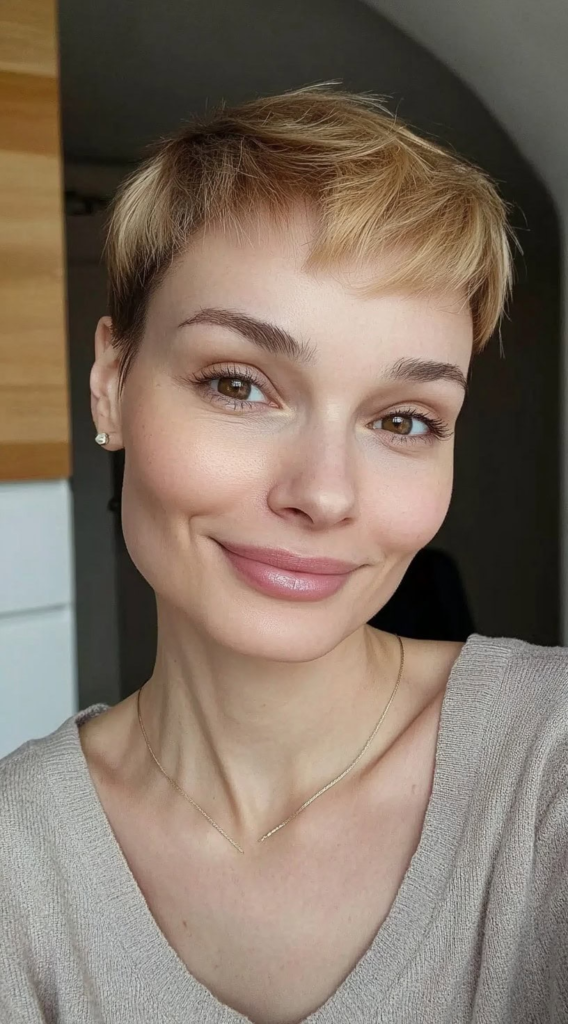
25. Textured Dark Pixie with Point-Cut Fringe
Dark color with textured styling reads as sophisticated and intentional. The point-cut fringe (irregular, longer-shorter variation) creates organic movement. Fine hair with dark color and texture reads as deliberate design rather than sparse or thin.
The dark base allows textural variation to be visible—lighter tips created through layering show against darker roots. This is why dark pixies often appear thicker than blonde ones. The contrast is built into the color.
Styling this look requires a molding cream or texture paste applied to damp roots and finger-combed through. The finished effect is polished yet undone.
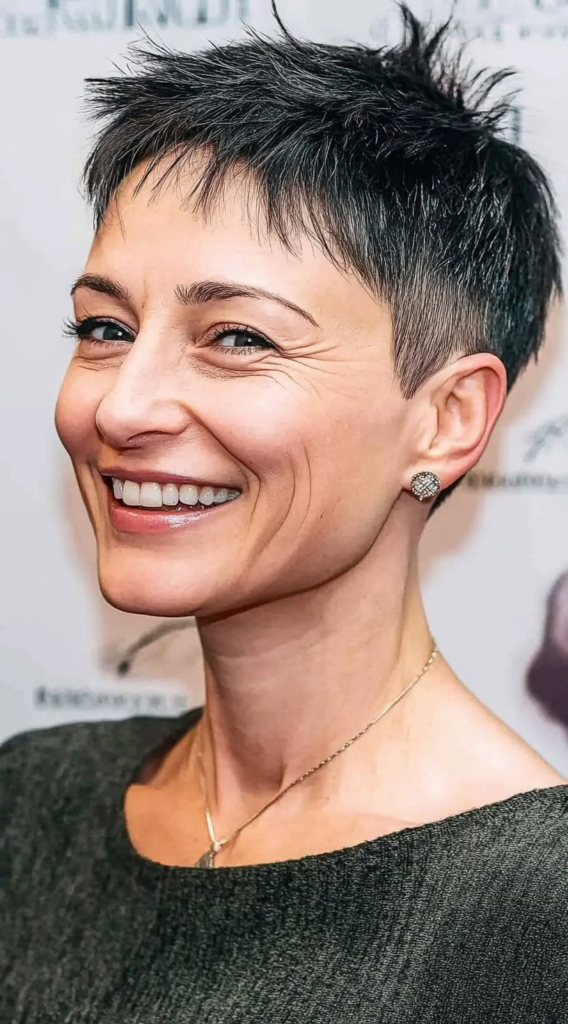
26. Soft Feathered Pixie with Tapered Sides
Soft feathering is perhaps the most universally flattering technique for fine hair pixies. The individual strand separation creates fullness illusion without actual bulk. The taper ensures no weight accumulates anywhere.
Feathering is particularly effective for people with naturally graying or silver hair—the technique turns individual white and darker strands into intentional, sophisticated dimension. The result is effortless elegance.
Maintaining feathered pixies requires regular trims (every 5 weeks) to keep the separation crisp. A lightweight volumizing spray helps lift the layers. The investment in good haircuts pays dividends in how the style performs.
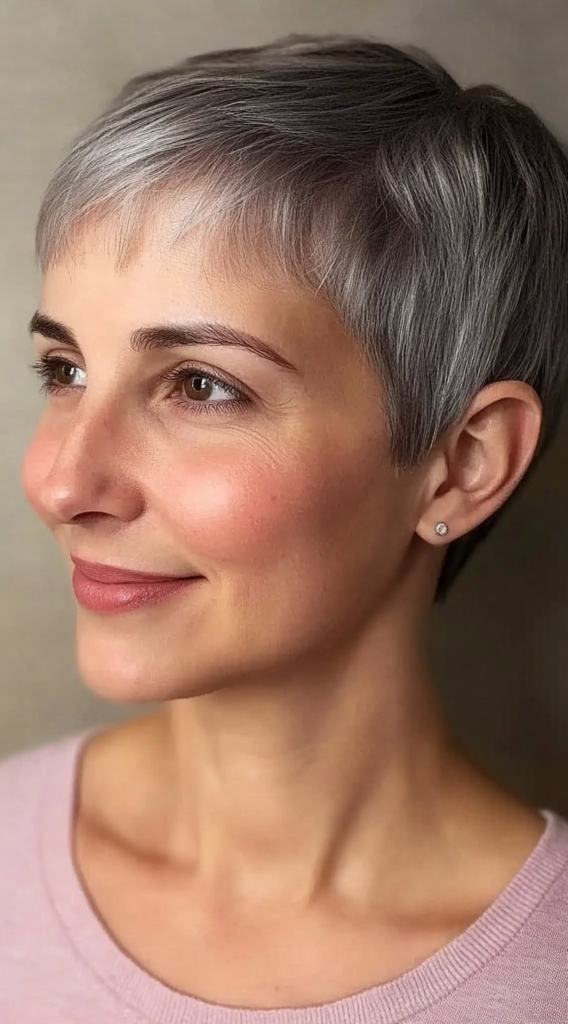
27. Edgy Black Pixie with Platinum Bangs
Contrast bangs (light against dark) are a fine-hair cheat code. The color blocking creates visual texture and dimension that the actual hair lacks. Black paired with platinum is maximum contrast, perfect for people wanting undeniable edge.
This approach allows people to try platinum blonde without committing to an entire head of high-maintenance lightening. The bangs alone require color maintenance, but the rest of the head is less demanding.
The edgy vibe appeals to people wanting alternative aesthetics without necessarily committing to alternative lifestyle changes. It’s bold in appearance but practical in execution.
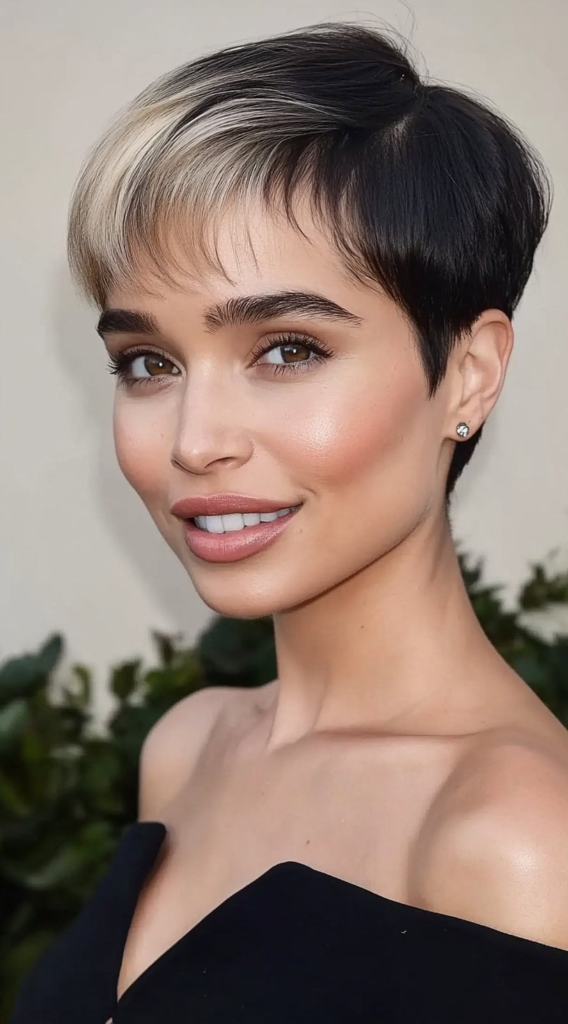
28. Silver Micro Bangs Pixie with Undercut
Micro bangs with a silver pixie and dark undercut is runway-level styling. It’s bold and requires facial feature confidence, but it photographs beautifully. The dark undercut provides balance to the statement-making front.
This style reads as intentional and artistic. People wearing this cut are clearly making a deliberate choice about their appearance. The visual impact is significant but so is the maintenance requirement.
Weekly toning shampoo, color touch-ups every 3-4 weeks, and a trim every 4 weeks keep this looking sharp. For people committed to their appearance and style, the maintenance is worth it.
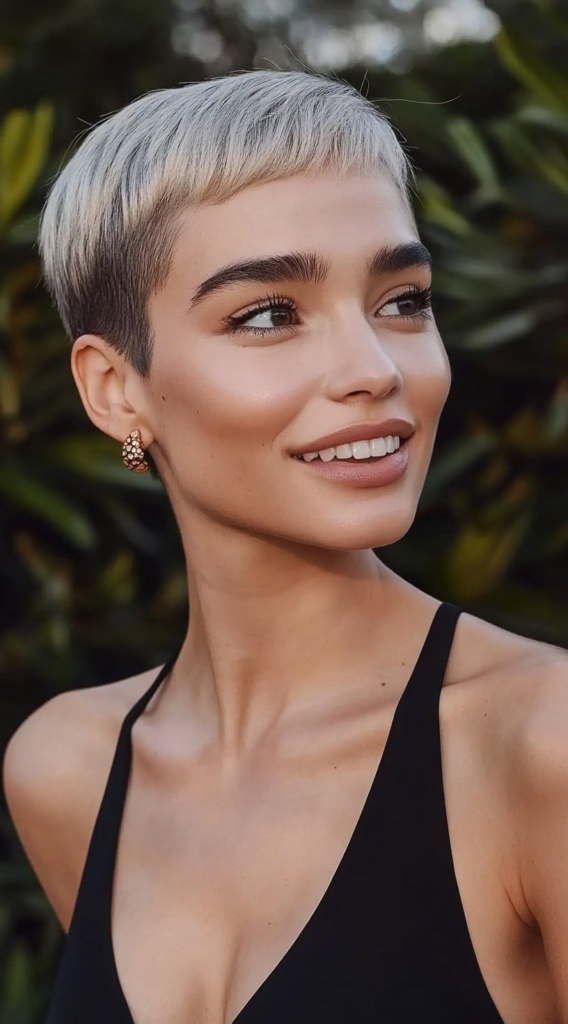
29. Tousled Soft Brown Pixie with Piecey Fringe
Soft brown (warm, medium tone) is often overlooked but genuinely flattering on most complexions. The piecey fringe creates movement without severity. This combination is the perfect intro to pixies for people transitioning from longer hair.
The tousled aesthetic is forgiving—imperfect styling looks intentional. The warm brown tone doesn’t show root growth as dramatically as cooler shades, extending time between color appointments. The texture hides regrowth beautifully.
Styling requires minimal product—a mousse or light cream is often sufficient. The brown tone is also significantly less damaging to achieve than blonde, which appeals to people cautious about hair health.
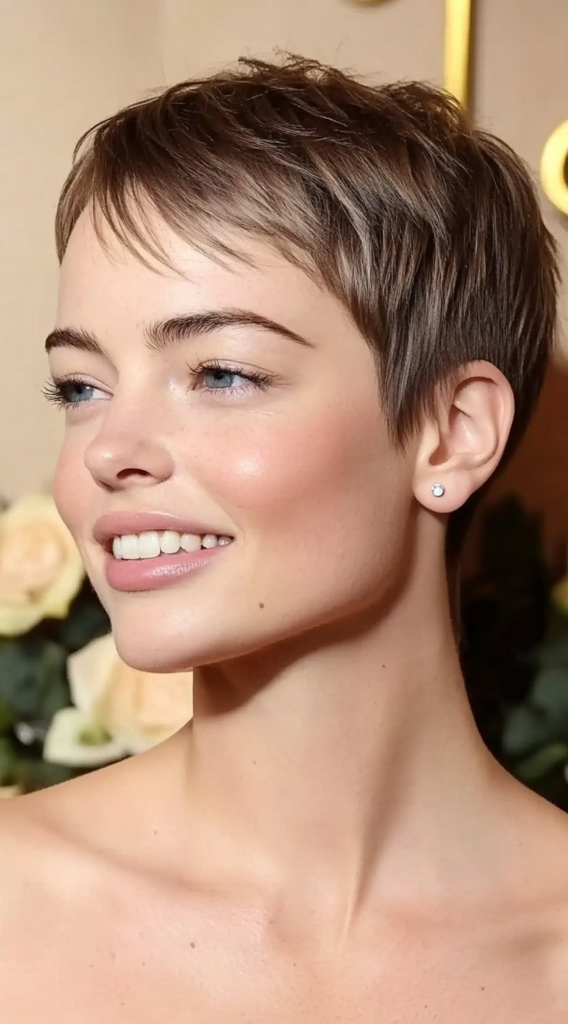
30. Stacked Blonde Pixie with Long Top Layers
Stacking (layering more aggressively at the back than front) creates volume where fine hair needs it most—the crown. The longer top layers allow styling options: swept forward, swept back, or textured for movement. This flexibility is valuable for people with variable style moods.
The icy blonde maximizes light reflection while the stacking creates actual shape and structure. This is a power cut—it makes a statement while remaining practical and versatile.
Styling options range from sleek (with smoothing cream) to messy (with texture spray). The same cut works for multiple aesthetic moods depending on product choice and drying direction.
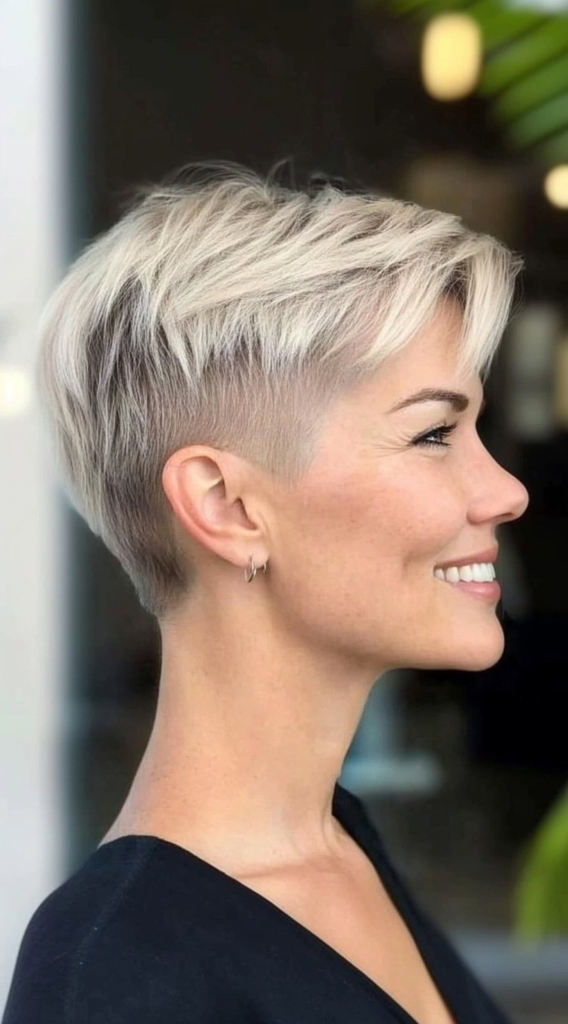
31. Ash Blonde Tapered Pixie with Clean Fade
A cool-toned ash blonde with precision tapering creates sharp, editorial vibes. The fade is crisp and clean without appearing harsh due to the soft ash tone. The overall effect is polished sophistication.
Ash blonde with a clean fade particularly suits people with strong bone structure and confident style sensibilities. It’s professional without being boring, structured without severity. The cool tone adds visual sophistication.
This cut requires precision styling—a smoothing cream and possibly a matte paste applied deliberately. The investment in styling time (roughly five minutes) creates visual impact that lasts all day.
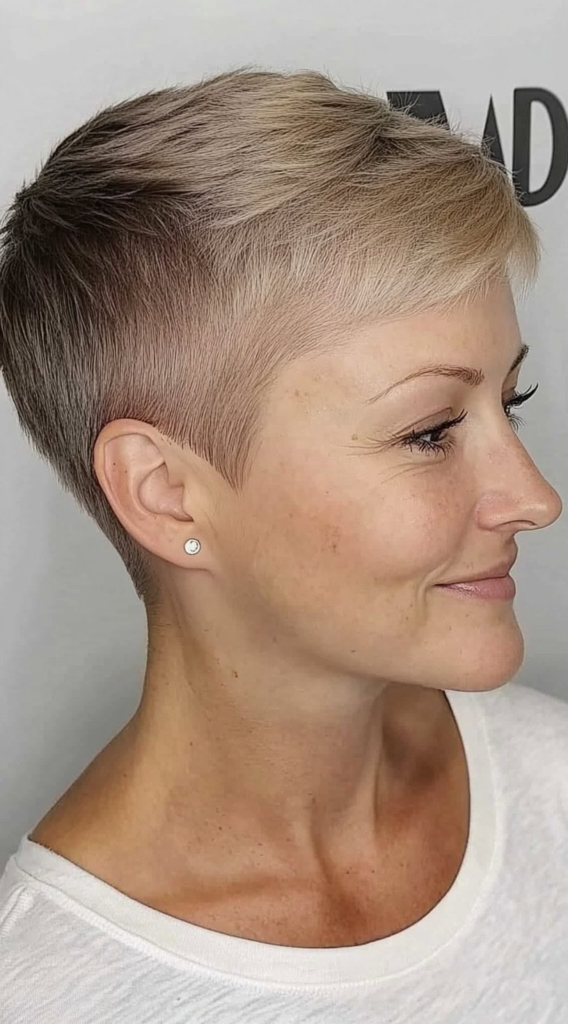
32. Frosted Platinum Pixie with Tousled Layers
Frosted platinum (lighter tips, darker roots) with intentionally tousled layers is the “effortless polish” aesthetic. The tousling creates texture and movement while the frosted color adds dimension. This combination feels modern and genuinely easy to maintain.
The tousled styling is forgiving—second-day hair actually looks better than freshly styled hair. The lived-in appearance is intentional and attractive rather than requiring perfect daily execution.
Styling requires a light pomade applied to damp hair and tousled while air-drying or blow-drying with fingers. The result is fashion-forward without requiring advanced styling skills.
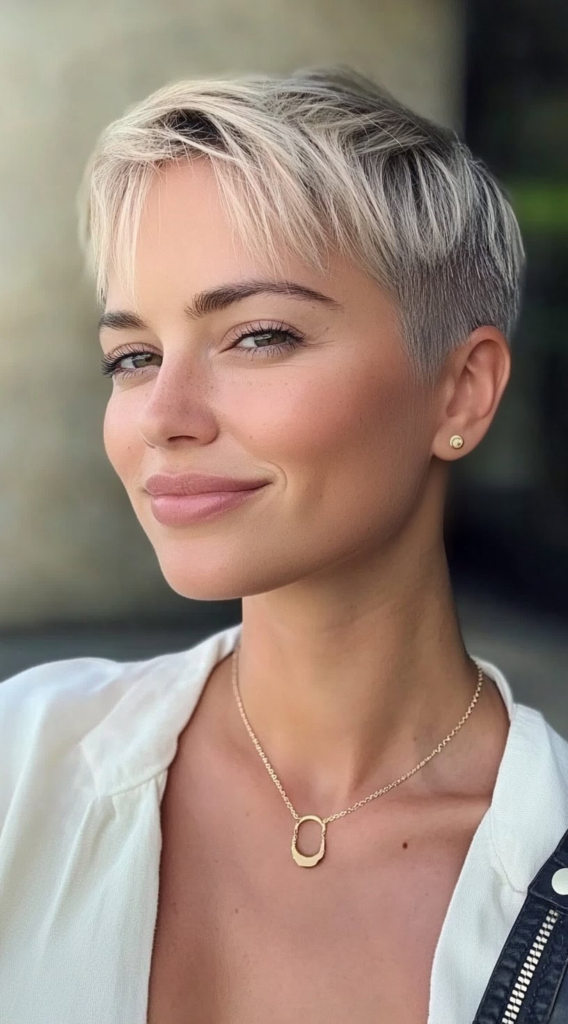
Face Shapes and Pixie Compatibility
Most pixie cuts adapt well across face shapes when properly customized. Oval faces suit virtually every variation without modification. Heart-shaped faces benefit from adding volume at the crown to balance wider foreheads. Round or square faces look longer with angled layers or asymmetrical elements.
The real key isn’t finding a pixie that matches your face shape—it’s working with a skilled stylist who customizes proportions and placement specifically for your features. A generic pixie cut won’t flatter everyone, but a thoughtfully customized pixie works across shapes.
Discuss facial proportions with your stylist before cutting. Don’t just show a picture—explain what you want the cut to accomplish (elongate, soften, sharpen, etc.). This context helps professionals make smart customization choices.
Maintaining Volume in Fine-Hair Pixies
The secret to keeping pixies full is regular trimming. Fine hair deteriorates faster than thick hair—the ends split more easily and the overall shape drops after 4-5 weeks. Staying ahead of degradation with frequent trims (every 4-6 weeks) actually saves money and keeps styles looking intentional.
Styling products matter significantly. Lightweight volumizing mousse adds actual lift without weight. Dry shampoo provides grip that helps styling hold. Texture sprays add friction that prevents slipping. Heavy pomades, gels, and waxes often flatten fine hair rather than styling it.
Blow-drying technique impacts everything. Using a round brush or even fingers (not a flat brush) directs volume upward. A diffuser attachment disperses airflow, preventing compression. Directional drying matters more for fine hair than for thick hair.
Product Recommendations for Fine-Hair Pixies
Lightweight Volumizing Products ($8-18) Volumizing mousses and powders add lift without weight. Look for formulations specifically labeled for fine hair. Products designed for thick hair often overload delicate strands.
Color-Protecting Shampoos ($10-15) If using color-treated pixies (which most are), color-protecting shampoo extends vibrancy significantly. These specialized formulations prevent color fading better than regular shampoo.
Texture Sprays ($8-12) Sea salt sprays, texture sprays, and dry shampoos add grip that helps styling hold. Fine hair often needs extra friction to maintain styles—these products provide it without heaviness.
Lightweight Styling Creams ($12-20) Matte creams and smoothing serums should be used sparingly. A dime-sized amount goes further than expected on fine hair. Quality products designed for delicate strands outperform general-purpose styling creams.
Purple/Toning Shampoos ($10-15) If maintaining blonde, ash, or silver tones, weekly toning shampoo prevents brassiness and yellowing. This is especially important for very light shades where discoloration is visible.
Common Mistakes to Avoid
Using Heavy Products The biggest mistake with fine-hair pixies is overloading with styling products. Less is genuinely more. A dime-sized amount of product often exceeds what’s needed—fine hair responds to minimal product application.
Skipping Regular Trims Pixies deteriorate faster than longer styles. Waiting 8 weeks between trims often results in a shaggy, shapeless appearance. Regular trims every 4-6 weeks are non-negotiable for maintaining a sharp, intentional pixie.
Choosing Blunt, Heavy Cuts Blunt lines and heavy layering flatten fine hair. Textured, feathered, or choppy cuts create separation and fullness. Ask your stylist specifically for texture-creating techniques rather than blunt lines.
Trying to Replicate Photos Exactly Photo reference is helpful, but custom tailoring is crucial. Discuss how the cut needs to work for your hair’s specific properties, not just how it looks in a picture.
Conclusion
Short pixie haircuts for thin fine hair aren’t just a trend—they’re a practical, confidence-building solution for people whose hair type often feels limiting. The right pixie transforms how fine hair behaves and how you feel about your appearance.
The foundation is finding a stylist who understands fine hair specifically. A haircutter experienced with thick hair won’t approach fine hair correctly. Look for stylists who specialize in fine-hair cutting and styling. Your research here determines everything.
From there, embrace the texture, commit to regular maintenance, and use minimal product strategically. Fine hair in a well-executed pixie is genuinely easier to manage than fine hair in longer styles. The confidence boost often exceeds the practical benefits—and that matters equally.