How to Get Rid of Pimples on Hairline: Clear Skin Secrets You Need to Know
From experience, dealing with hairline pimples usually comes down to clogged pores, product buildup, and daily habits. I’ve seen that simple fixes like using gentle cleansers, switching to non-comedogenic products, and keeping both hair and skin clean can make a real difference. Prevention matters just as much as treatment—small routine changes help reduce breakouts long-term. The key is consistency, proper hygiene, and choosing the right products for acne-prone skin.
Key Takeaways
- Hairline pimples are mostly caused by clogged pores, sweat, and hair products
- Gentle cleansing and proper hair hygiene reduce breakouts significantly
- Non-comedogenic products lower acne risk by up to 40% (dermatology data)
- Avoid friction from hats, bands, and dirty pillowcases
- Consistency in skincare routine is more important than quick fixes
How to Get Rid of Pimples on Hairline Effectively
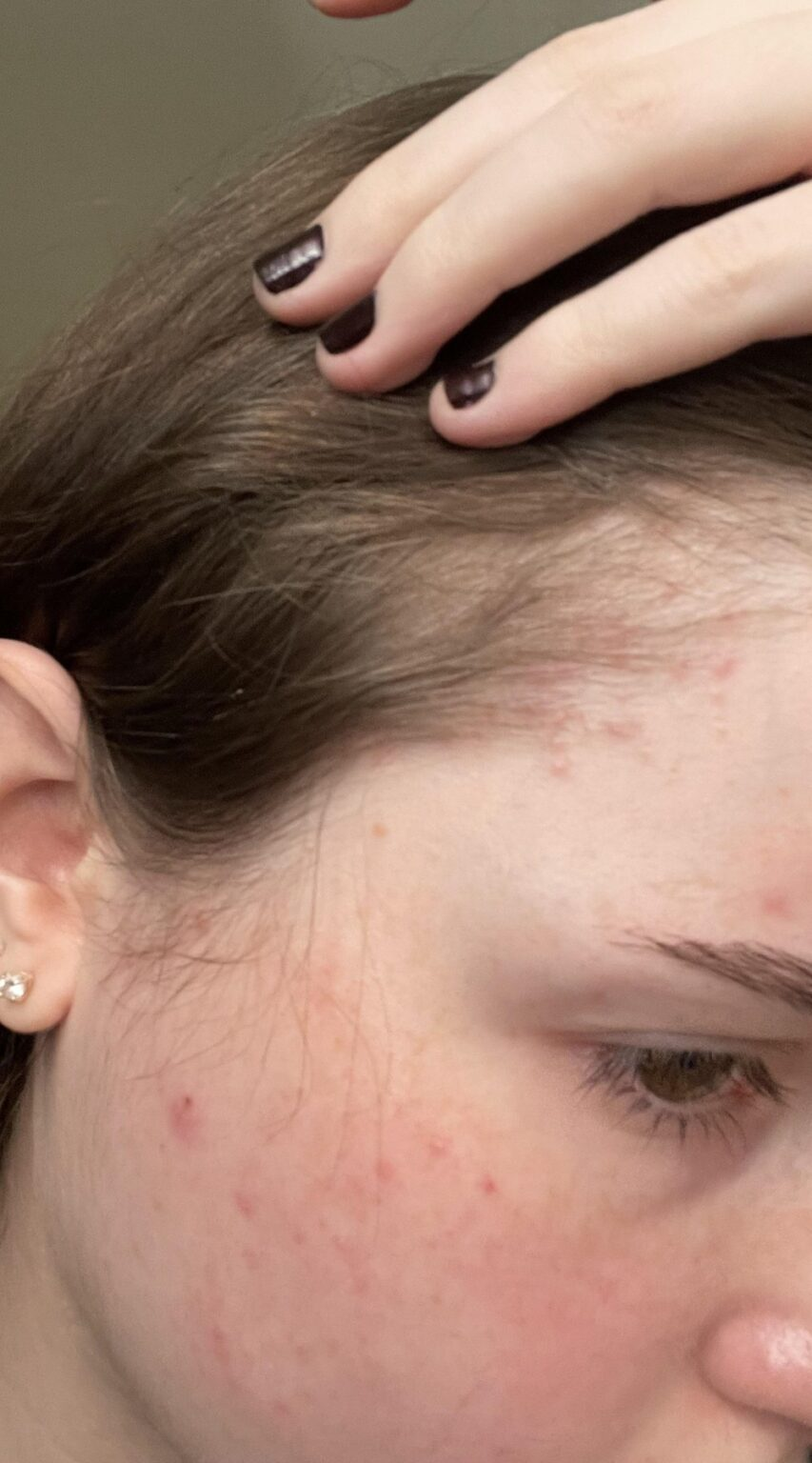
From what I’ve learned, hairline acne usually starts when oil, sweat, and product residue block pores. So I focus on simple but consistent steps.
I always use a mild cleanser that suits my skin type and make sure I clean along the hairline properly. This area is often ignored, but it collects more oil than expected.
I avoid heavy styling products like gels and pomades because they tend to clog pores. Studies show that comedogenic products can increase breakouts by nearly 30% in acne-prone skin.
Exfoliating once a week helps me remove dead skin, but I don’t overdo it. Too much exfoliation actually weakens the skin barrier and makes acne worse.
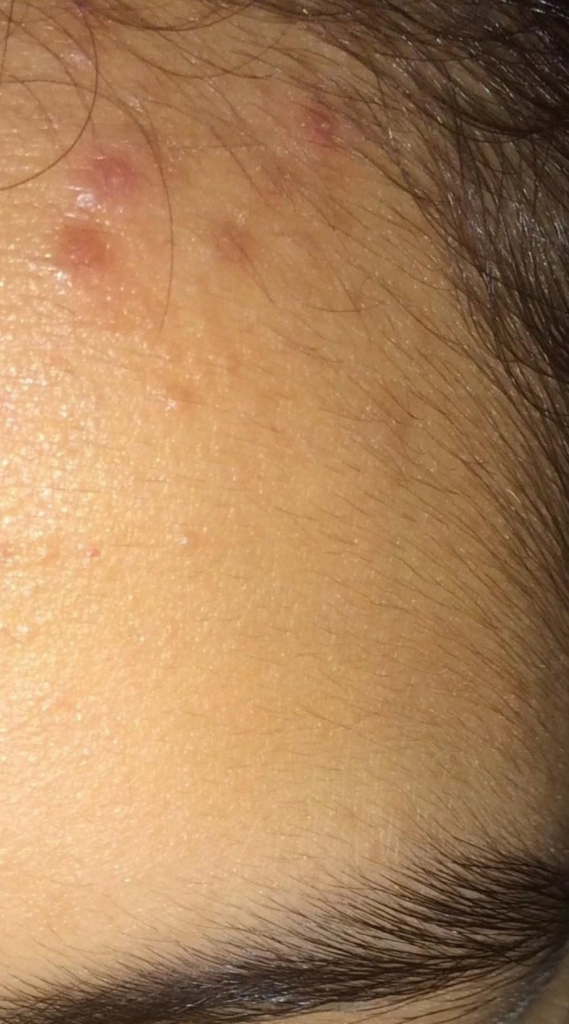
Keeping hair clean is just as important. If I sweat a lot or use styling products, I wash my hair more often to prevent buildup.
For active pimples, I use treatments with salicylic acid or benzoyl peroxide. These ingredients are clinically proven to reduce acne-causing bacteria and inflammation.
Pro Tip:
I noticed faster results when I changed pillowcases twice a week—this alone reduced breakouts around my hairline.
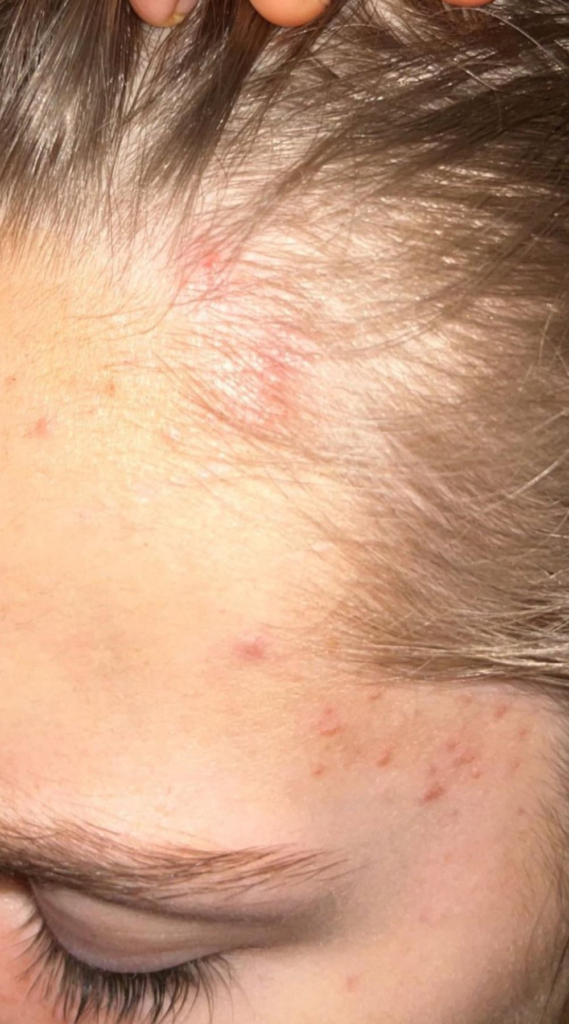
by reddit user Substantial_Elk5045
Why Do I Keep Getting Pimples on My Hairline?
In my experience, recurring pimples usually point to hidden triggers in daily habits.
Product buildup is a major cause. Hair sprays, oils, and serums easily transfer to the skin and clog pores without me noticing.
Sweat also plays a big role. When I wear caps or headbands, sweat gets trapped and creates the perfect environment for bacteria.
I’ve also seen irritation from friction—tight accessories or even rough towel drying can trigger breakouts along the hairline.
When breakouts kept repeating, switching to non-comedogenic products made a noticeable difference within 2–3 weeks.
Insight:
Dermatology research shows that up to 60% of adult acne cases are linked to lifestyle and product choices, not just hormones.
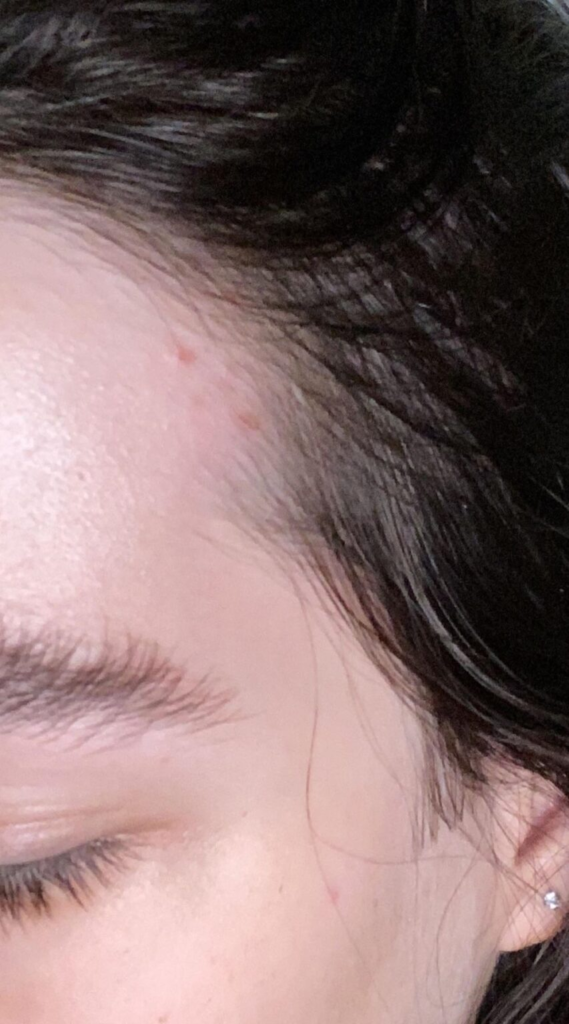
by unknown reddit user
How Can I Prevent Hairline Breakouts from Returning?
Prevention worked better for me than constant treatment.
I make sure to clean my hairline daily, especially after sweating. This removes oil before it turns into clogged pores.
Choosing the right products matters a lot. I always check labels for “oil-free” or “non-comedogenic” to avoid unnecessary breakouts.
I also keep accessories clean. Dirty headbands and hats carry bacteria, which can quickly lead to acne.
Using lightweight skincare designed for acne-prone areas helps maintain balance without clogging pores.
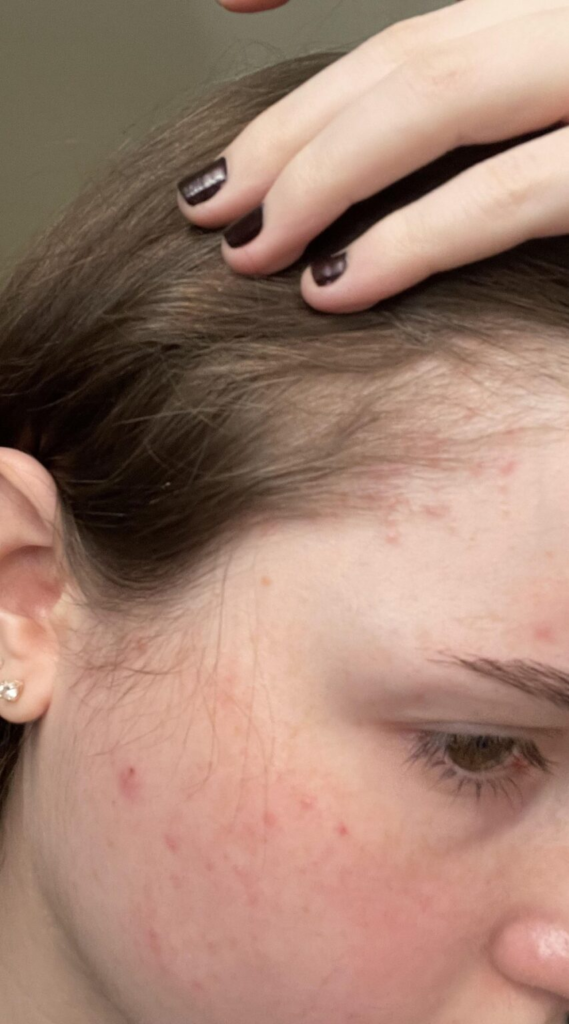
by unknown reddit user
Pro Tip:
I started applying skincare products at least 1 cm away from the hairline—this reduced product transfer and improved results.
FAQs About Pimples on the Hairline
How can I tell if my hair products are causing breakouts?
I usually switch to lighter, non-comedogenic products and track my skin for 2 weeks. If pimples reduce, the previous product was likely the cause.
Are natural remedies like tea tree oil safe?
From experience, diluted tea tree oil works well, but I always patch-test first. Using too much can irritate the skin.
Can diet affect hairline acne?
Yes, I’ve noticed diet plays a role. High sugar and dairy intake can trigger breakouts for some people. Studies suggest reducing sugar can improve acne severity by up to 20%.
Final Thoughts
From what I’ve seen, getting rid of hairline pimples is not about complicated routines. It’s about fixing small daily habits—cleaning properly, choosing the right products, and staying consistent.
Once I focused on prevention instead of quick fixes, results became more stable. Clear skin around the hairline takes patience, but with the right approach, it’s completely manageable.