20 Thick Hair Ideas or Just Lots of It? How to Know If Your Strands Are Truly Thick
When I started understanding thick hair vs dense hair, it completely changed how I chose products and cuts. Many people think they have thick hair, but in reality, they just have more strands. In this guide, I’m breaking down 20 simple ways to test your hair at home, backed by real facts like average strand size (0.03–0.08 mm) and density ranges (80,000–120,000 hairs).
You’ll learn how to check strand thickness, measure density, understand genetics, and pick the right products. By the end, you’ll know exactly what your hair needs instead of guessing.
Key Takeaways
- Thickness = strand width, density = number of strands
- You can have fine but dense hair or thick but low-density hair
- Simple tests at home give reliable results
- Genetics control most of your hair type
- The right products depend on your exact hair profile
Understanding the Difference Between Thickness and Density
I used to confuse thickness and density, but they are not the same. Thickness is about one strand, while density is about how many strands are on your scalp.
For example, hair can look full but still be fine. That’s why some products flatten volume instead of helping. Knowing this difference helps avoid wrong product choices.
Pro Tip: Always identify both before buying any shampoo or styling product.
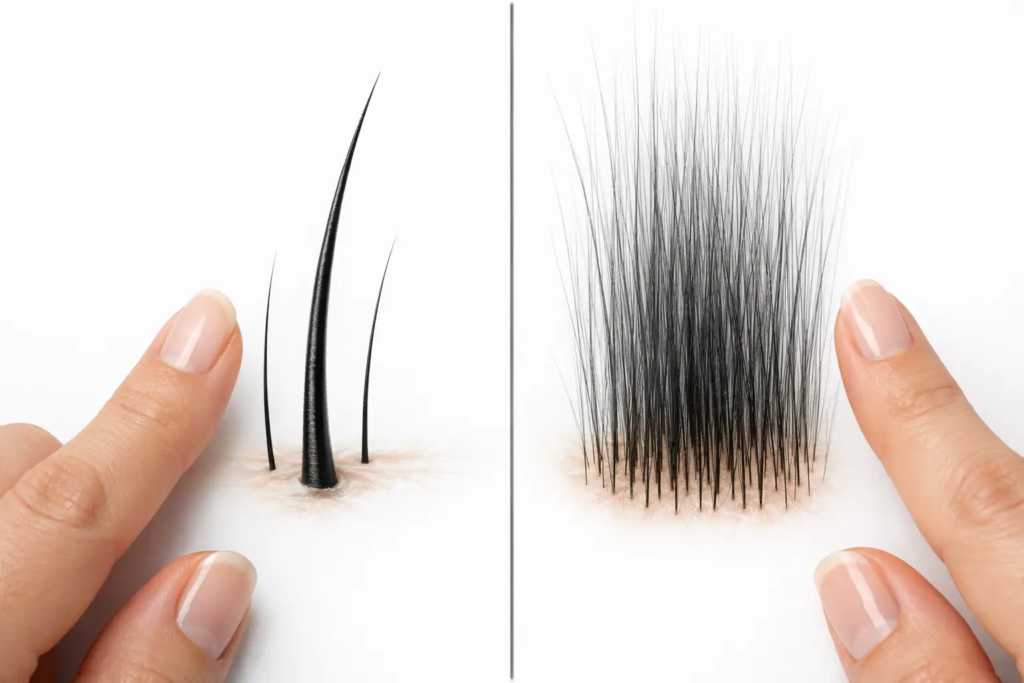
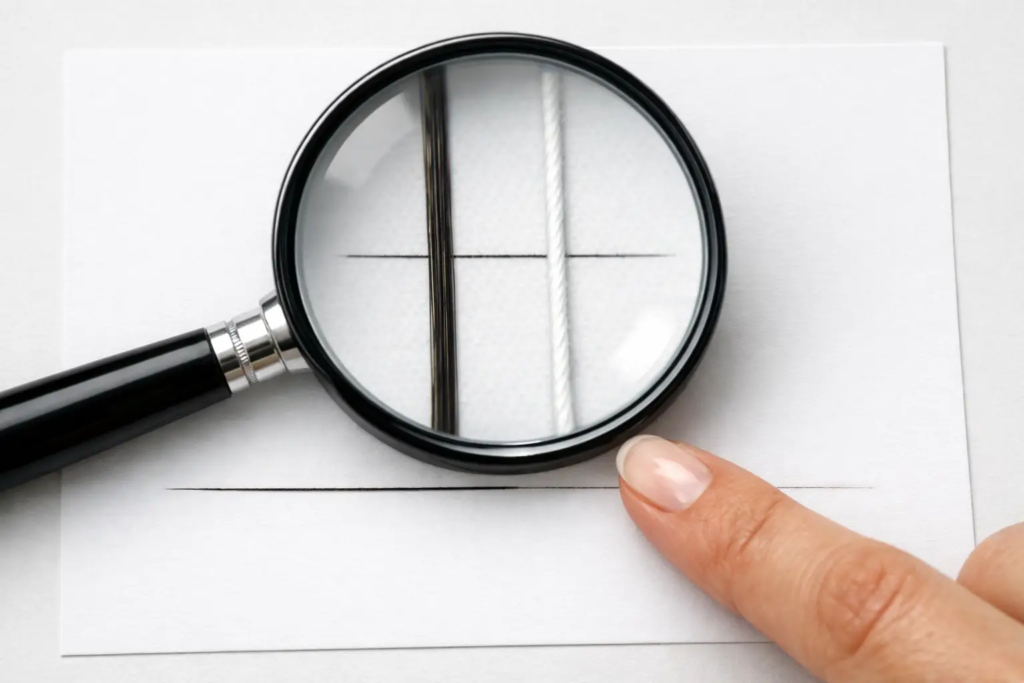
The Sewing Thread Strand Thickness Test
This is one of the most reliable ways I’ve tested strand thickness at home. I compare one hair strand with a normal sewing thread.
If the hair looks equal in width, it’s thick. If it’s thinner, then it’s fine or medium. This method works because it gives a physical comparison instead of guessing.
Pro Tip: Use natural light and white paper for accurate results.
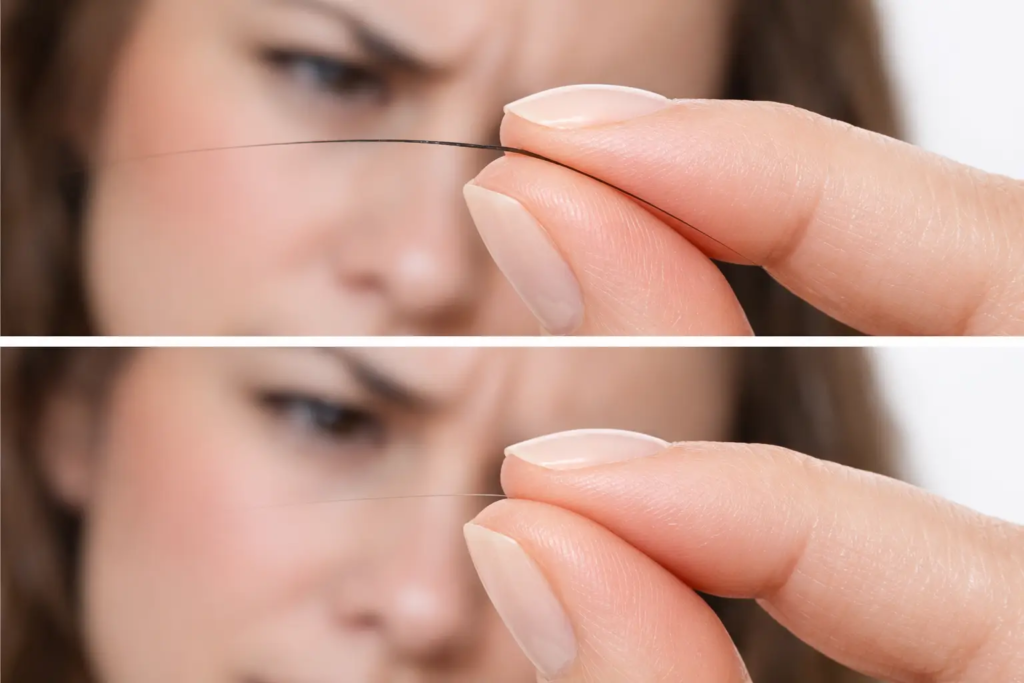
The Finger Feel Test for Individual Strand Thickness
This is the quickest test I use. I take one strand and rub it between my fingers.
If I can clearly feel it, it’s thick. If I barely feel it, it’s fine. After testing multiple strands, the result becomes more accurate.
Pro Tip: Check strands from different areas, not just one spot.
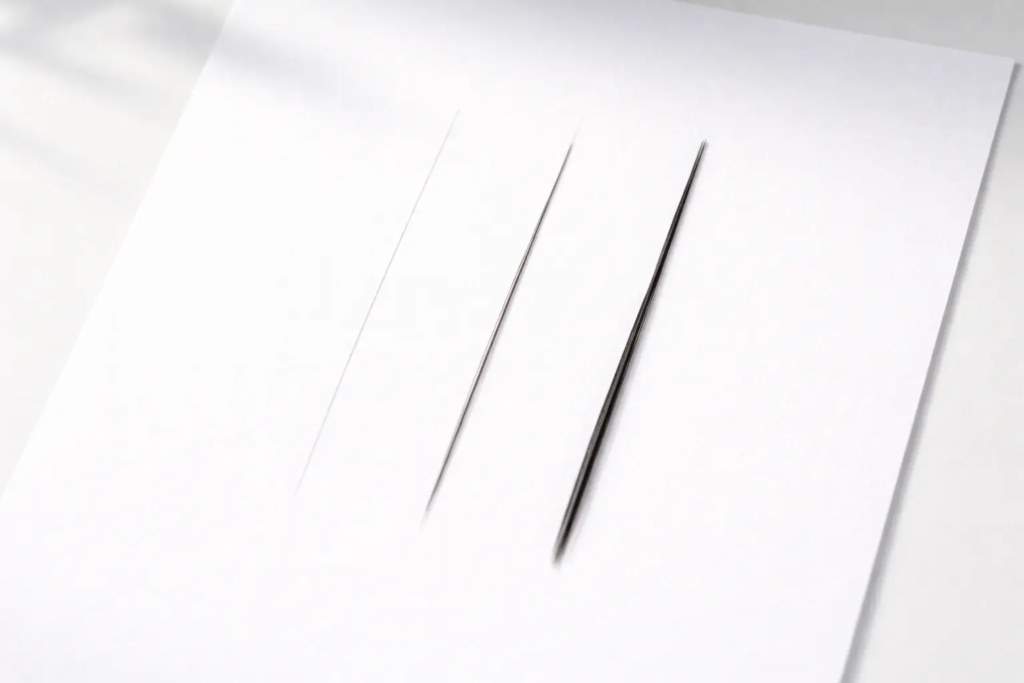
The Visual Strand Test on White Paper
I place a strand on white paper to see how visible it is.
If it almost disappears, it’s fine. If it’s easy to see, it’s thick. This simple method helps confirm results from other tests.
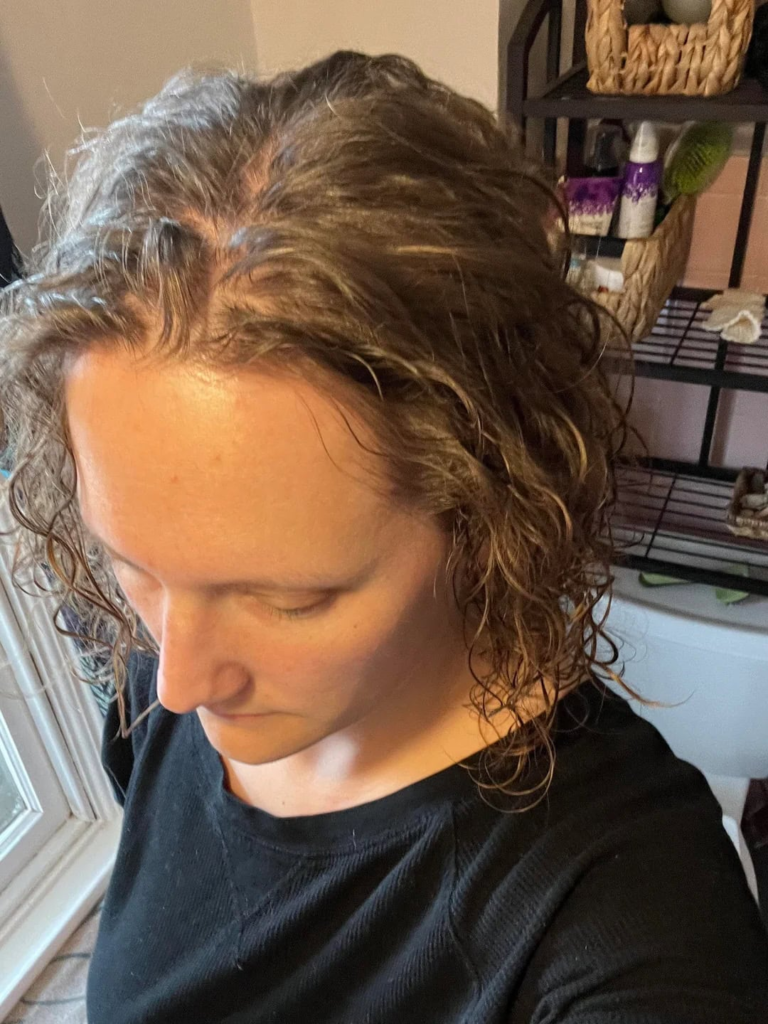
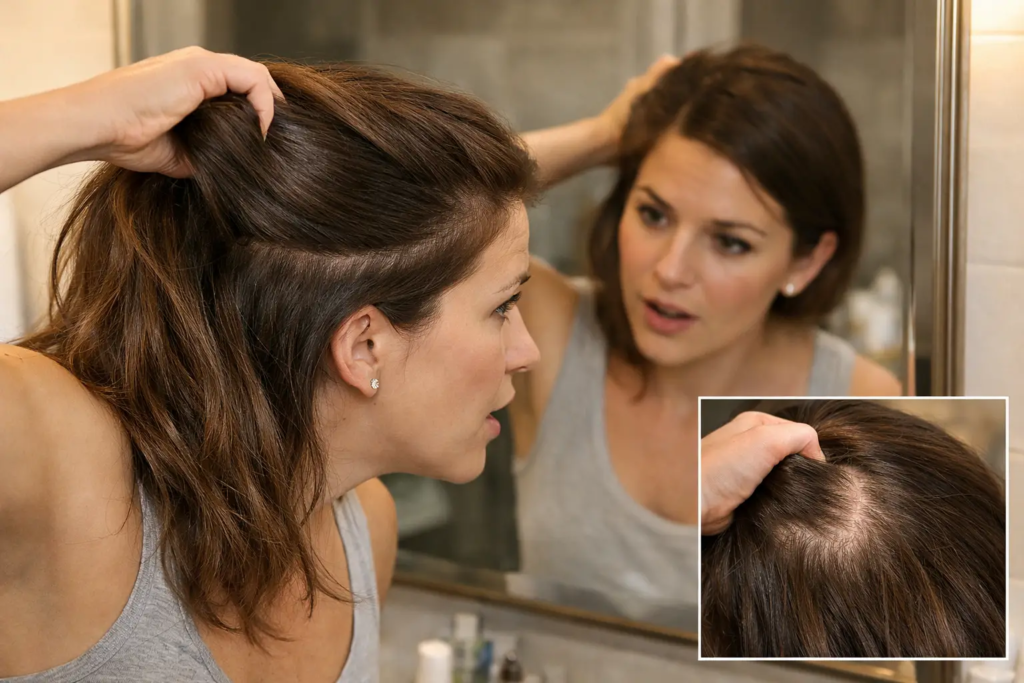
The Scalp Visibility Mirror Density Test
This test helps me understand density quickly. I pull my hair aside and check the scalp.
If the scalp is clearly visible, density is low. If it’s hard to see, density is high. It directly shows how many strands cover the scalp.
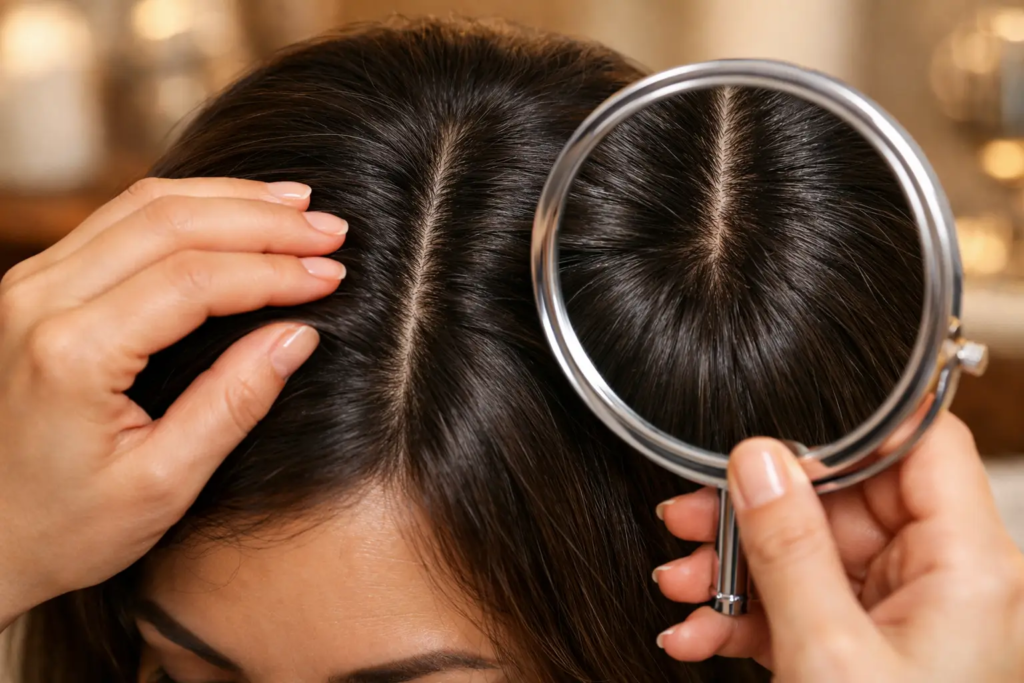
The Part Line Density Test
I create a clean part and observe the scalp line.
A wide visible line means low density. A narrow line means high density. It’s a more focused way to check specific areas.
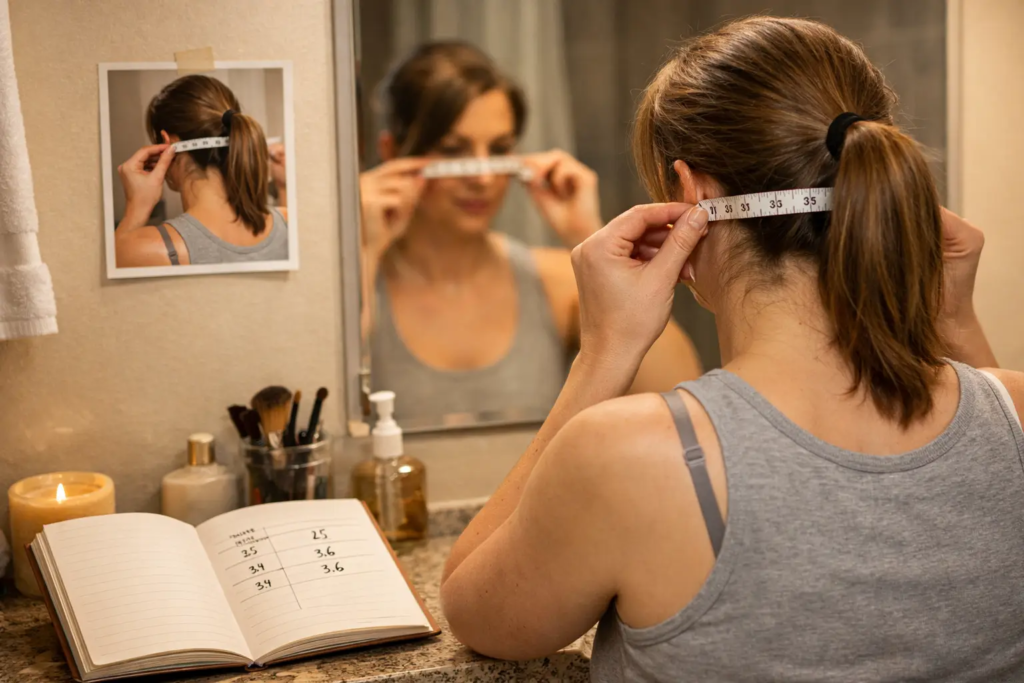
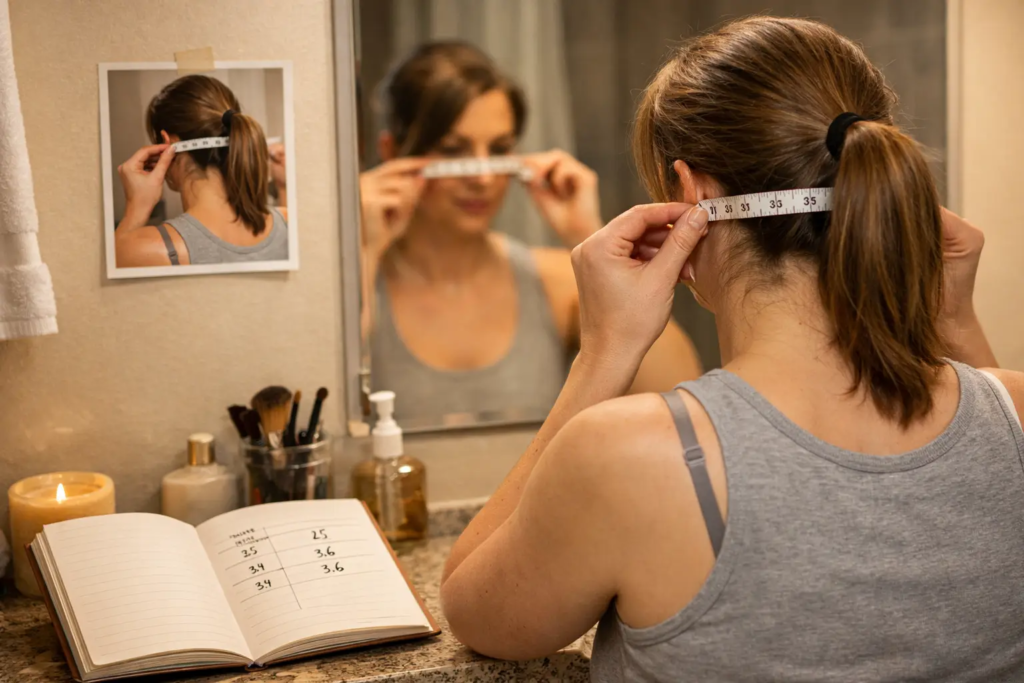
The Ponytail Circumference Density Test
This is one of the most measurable tests I’ve used. I tie my hair into a ponytail and measure it.
- Less than 2 inches = low density
- Around 3 inches = medium
- 4 inches or more = high density
Pro Tip: Always measure dry hair for accurate results.
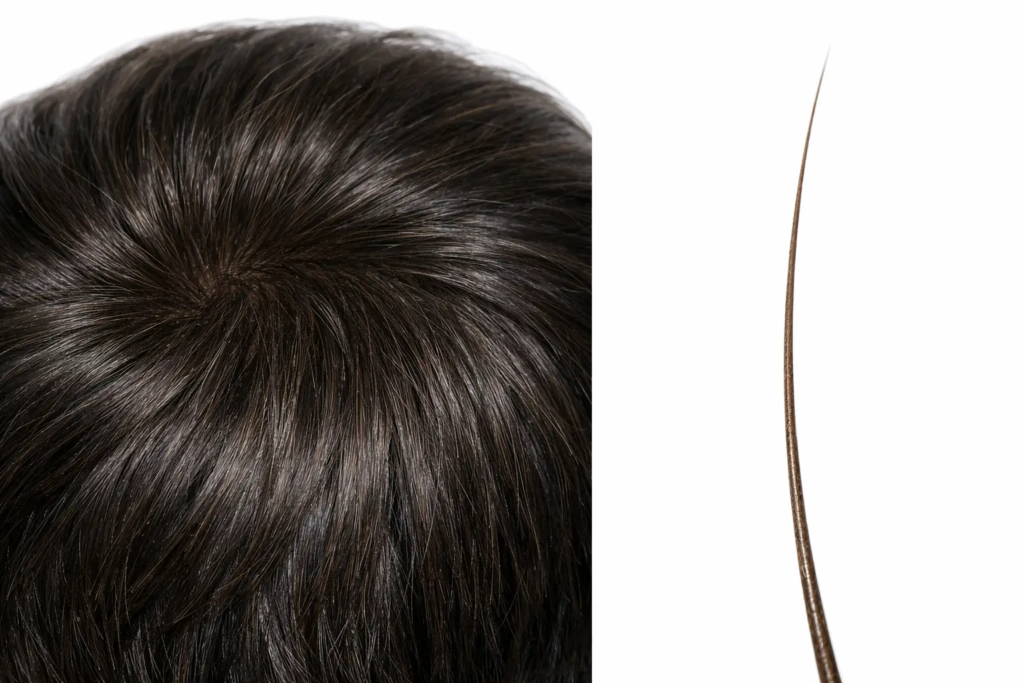
Why High Density Does Not Always Mean Thick Strands
I’ve seen many cases where hair looks full but strands are actually fine.
High density just means more strands, not thicker ones. This is why heavy products can ruin volume.
Why Low Density Does Not Always Mean Fine Strands
Sometimes hair feels heavy but looks thin. That’s because strands are thick but fewer in number.
This type often gets misjudged, especially in salons.
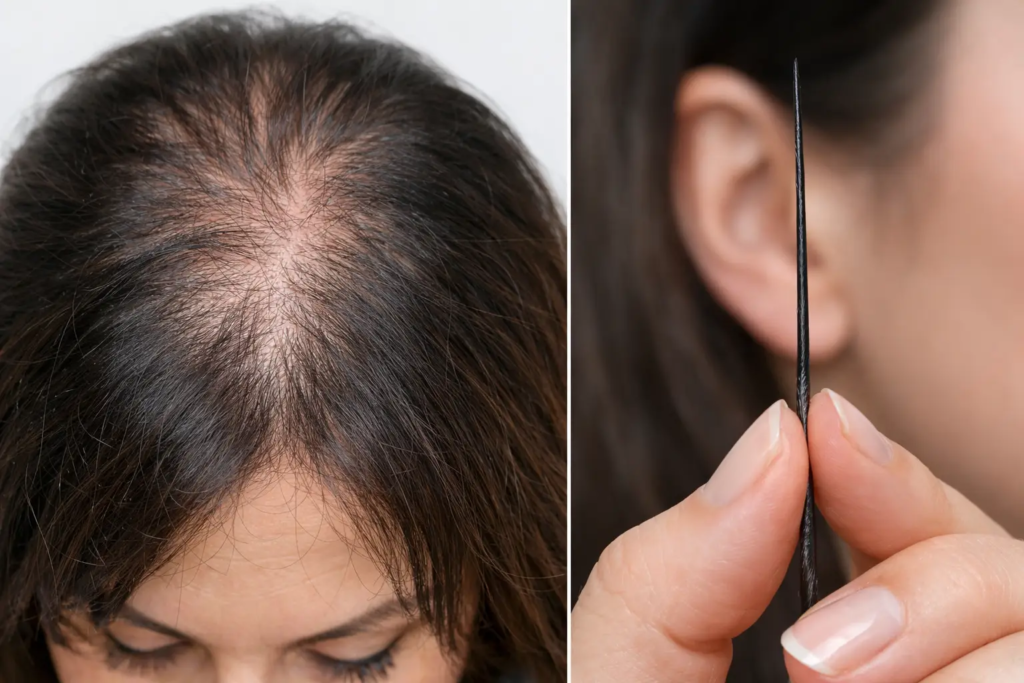
How Genetics Determines Your True Hair Thickness and Density
From what I’ve learned, genetics play the biggest role.
You are born with a fixed number of follicles. While products improve appearance, they don’t change your natural density.
Fact: Most people have 80,000–120,000 hairs on their scalp.

What Coarse Truly Thick Strands Feel and Look Like Daily
Thick strands feel strong and hold styles better.
They usually resist breakage but may get frizzy in humidity because of larger surface area.
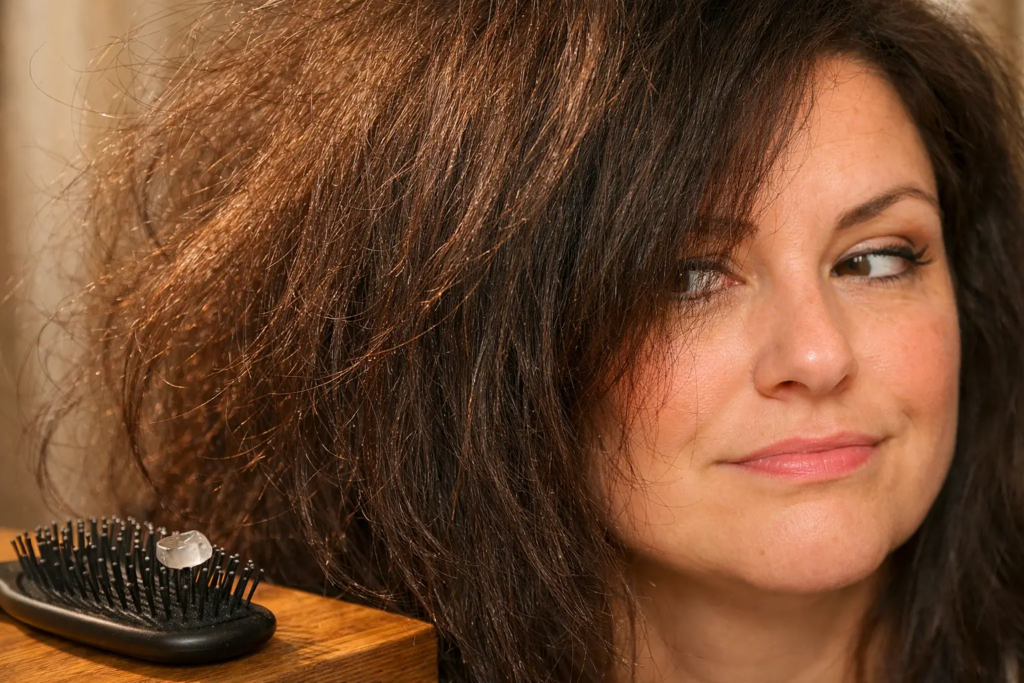
The Average Hair Strand Count and What Truly Thick Density Looks Like
On average, there are about 2,200 strands per square inch.
High-density hair sits on the higher end and often makes the scalp nearly invisible.
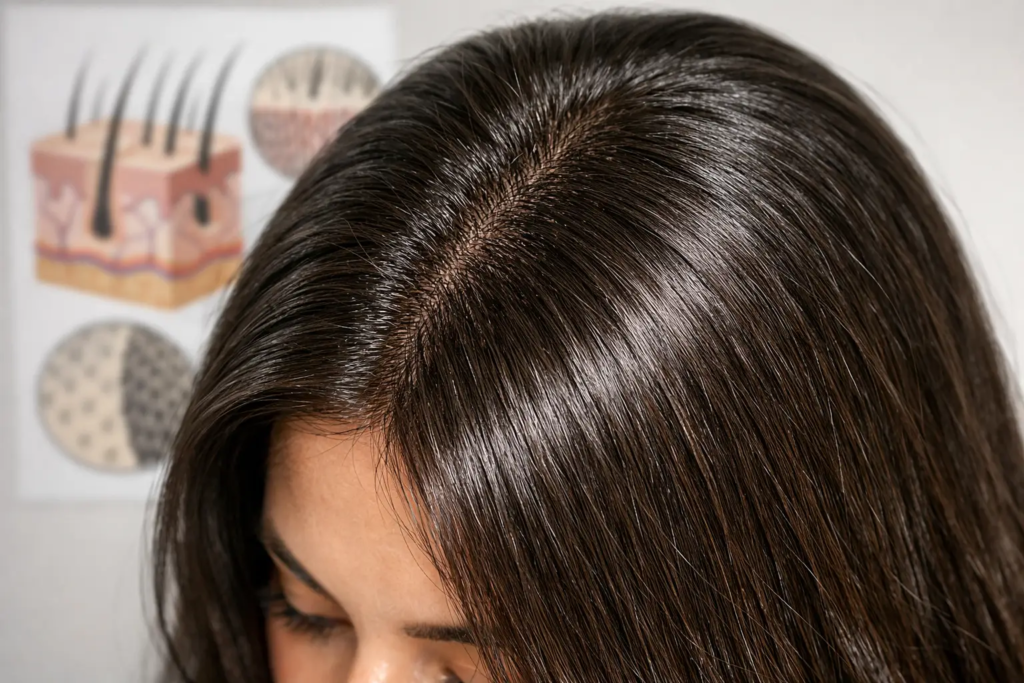
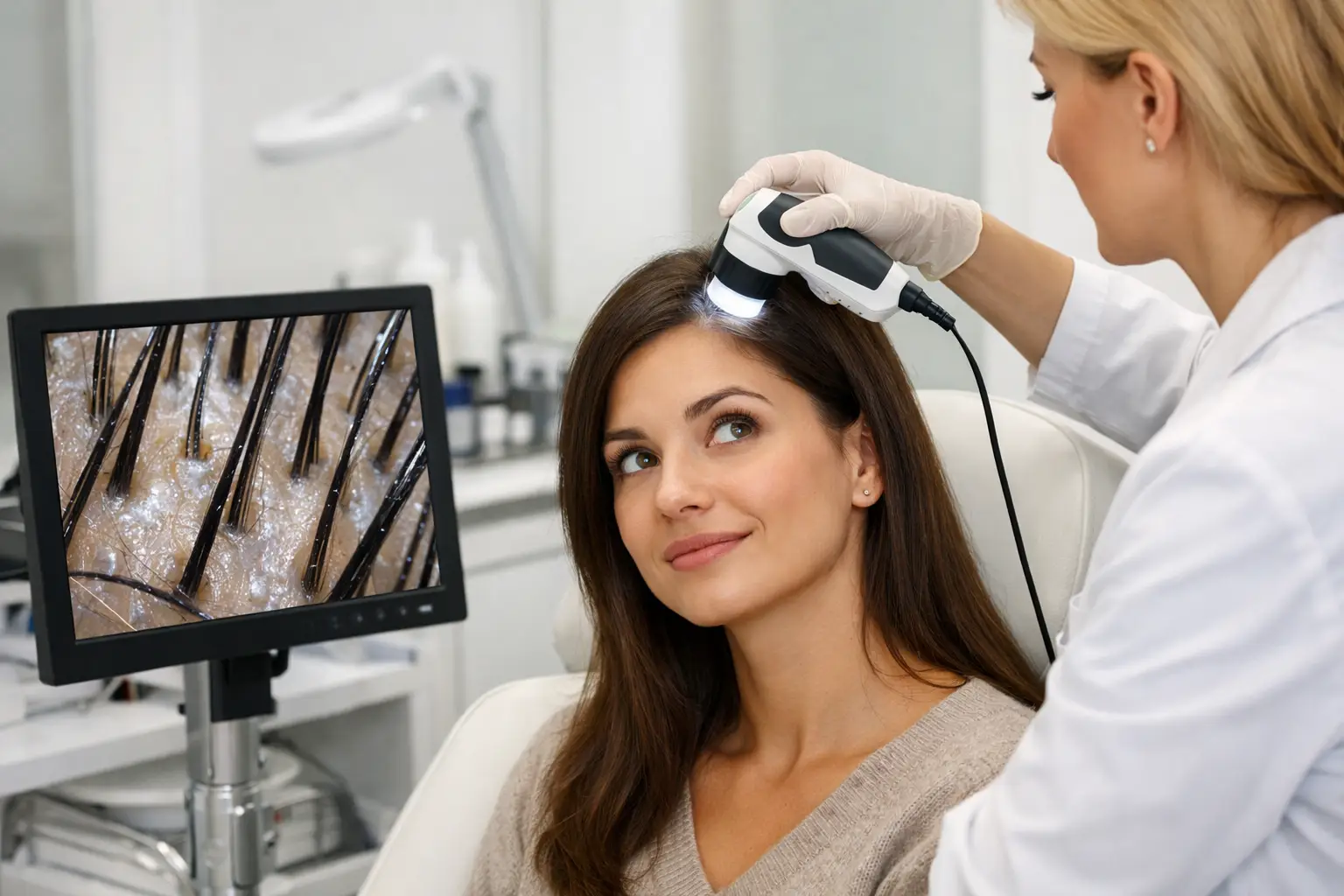
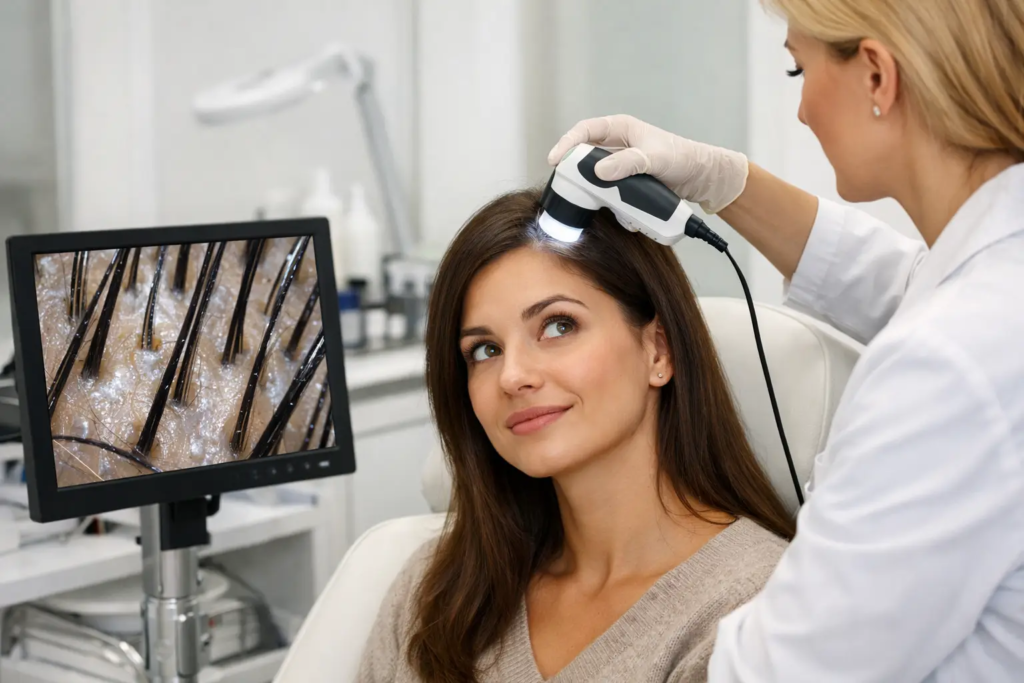
The Professional Trichoscopy Test for Definitive Results
If home tests are confusing, professionals use advanced tools like trichoscopy.
It gives a clear and accurate view of strand thickness and density.
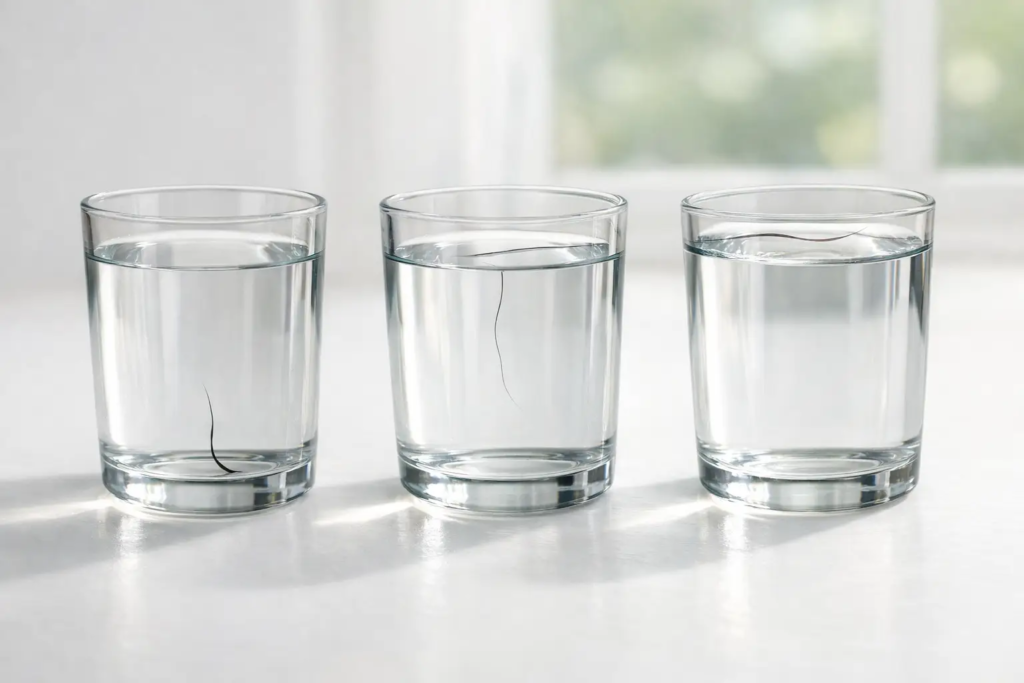
How Porosity Adds a Third Variable to the Thick Hair Question
Porosity affects how hair absorbs moisture.
- Sinks fast = high porosity
- Floats = low porosity
This factor changes how products work on your hair.
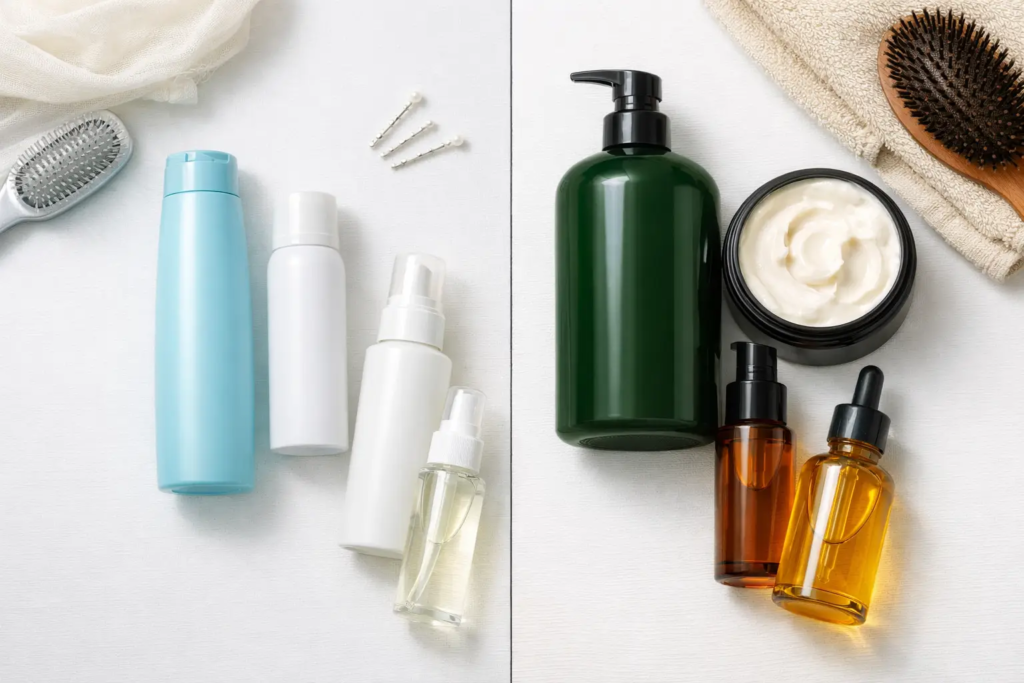
Products for Truly Thick Coarse Strands versus High Density Fine Strands
From experience, product choice makes a big difference.
- Fine dense hair → lightweight products
- Thick coarse hair → rich, moisturizing products
Pro Tip: Avoid heavy oils if your strands are fine.
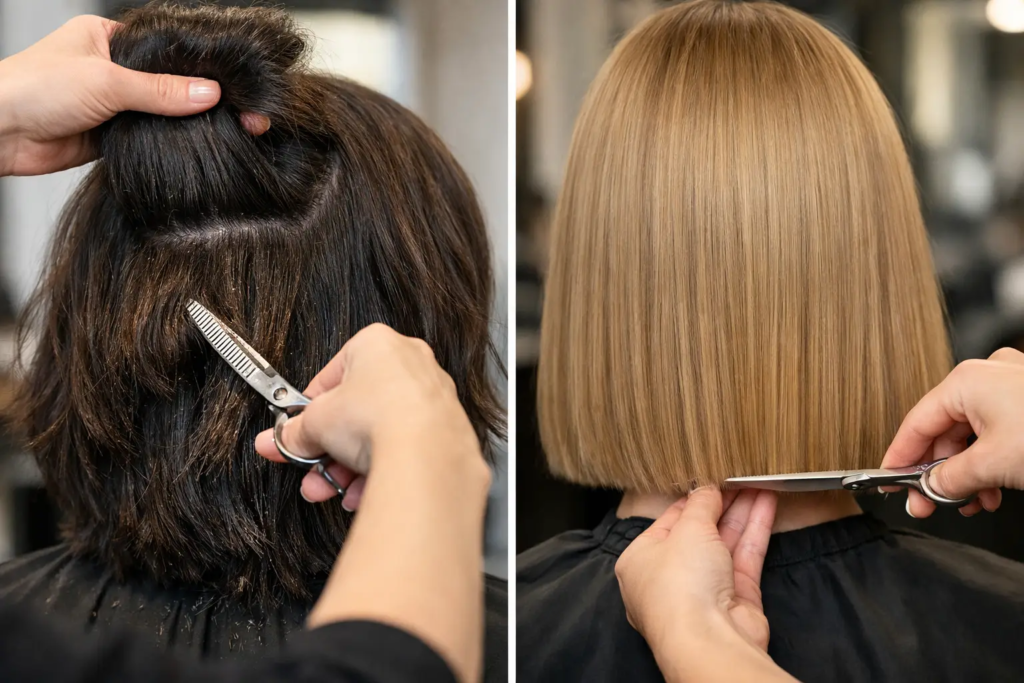
Haircut Strategies for Truly Thick Hair versus Simply Dense Hair
Haircuts should match your hair type.
- Thick strands → thinning and layering
- Fine hair → blunt cuts for volume
Wrong cuts can make hair look bulky or flat.
How Age Changes Hair Thickness and Density Over Time
Hair changes with age.
Most people notice reduced density after their 30s. Hormones and health also affect this.

The Ponytail Comparison Method Over Time
I recommend tracking ponytail size every few months.
It helps notice real changes instead of guessing daily.
What Truly Thick Hair Needs That Dense Fine Hair Does Not
Thick strands need more moisture and heat for styling.
Fine dense hair needs volume without weight.

How to Combine All Tests for a Complete and Accurate Hair Profile
The best results come from combining tests.
Check thickness, density, and porosity together to get a full picture.

Putting Your Thick Hair Knowledge Into Practice
Once I understood my hair type, choosing products became easier.
Now I focus on what my hair actually needs instead of trends.
Final Thoughts
Understanding thick hair vs dense hair changed everything for me. Instead of guessing, I now rely on simple tests and real data. Hair care becomes easier when decisions are based on facts, not assumptions.
Frequently Asked Questions
How do I know if my hair is thick or just dense?
Use both strand and density tests. Thickness is strand size, while density is number of strands.
What is the easiest at-home test?
The finger test for thickness and mirror test for density are the fastest.
Can hair be thick but look thin?
Yes, if density is low but strands are thick.
Does thick hair change over time?
Density can change, but strand thickness mostly stays the same.
What products are best for thick hair?
Moisturizing masks, conditioners, and light oils work best for thick strands.