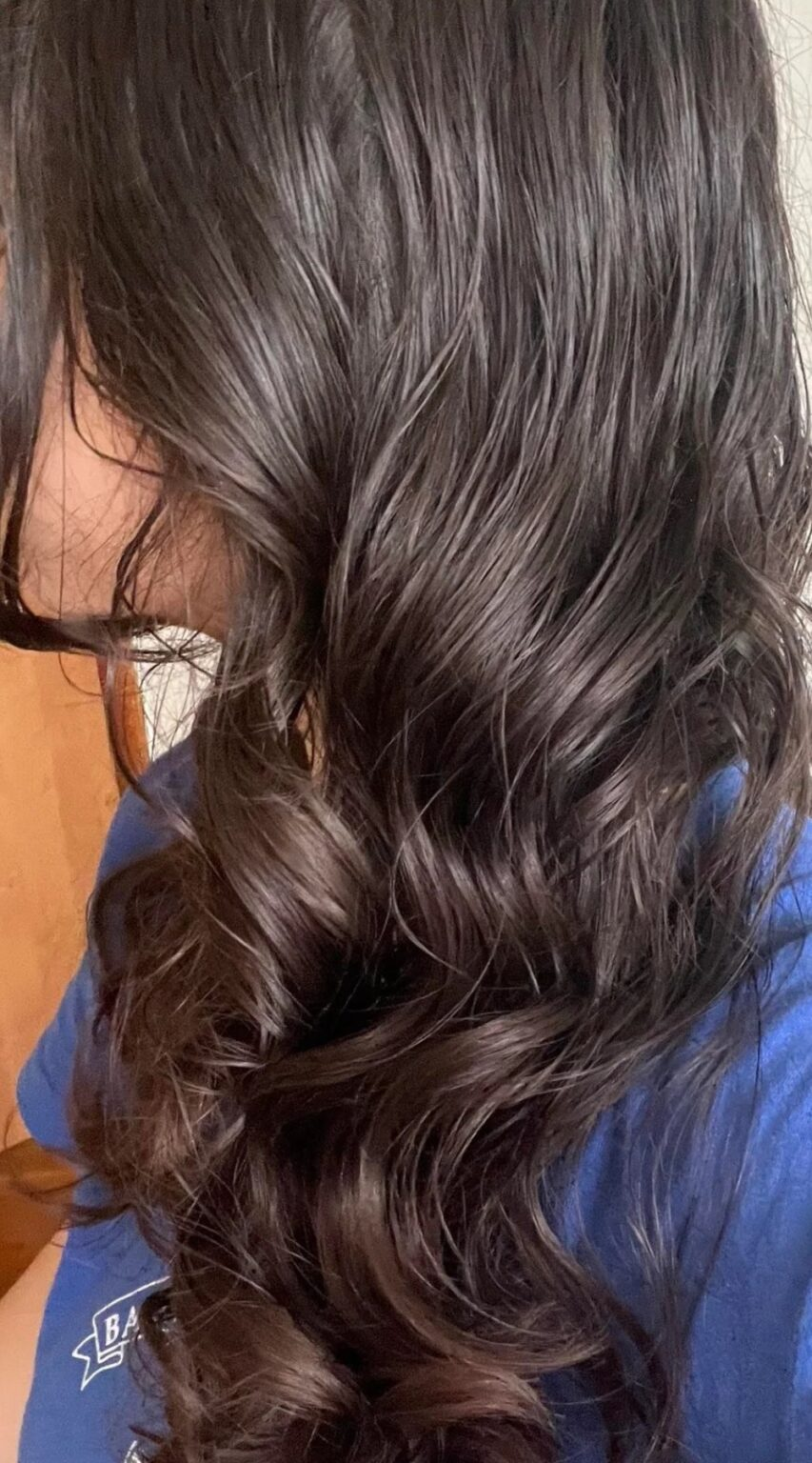
Sticky Hair After Washing: Common Causes and Simple Fixes
Washing your hair should leave it feeling light, clean, and fresh — but that’s not always what happens. Sometimes hair comes out of the shower feeling heavy, coated, or just plain sticky. It’s more common than most people think, and according to a 2023 survey by the International Journal of Trichology, nearly 42% of people report dissatisfaction with how their hair feels after washing at least occasionally.
Sticky hair after washing usually points to something specific — whether it’s product buildup, hard water, or even the wrong shampoo. The good news? Most causes are fixable without expensive salon visits.
This guide covers everything: why sticky hair happens, how to fix it fast, and what to do when the problem keeps coming back.
Complete Summary
This article breaks down the main reasons hair feels sticky after washing — including product buildup, hard water minerals, wrong shampoo choice, overconditioning, and excess oil production. It then walks through practical fixes like clarifying shampoos, apple cider vinegar rinses, shower filters, and better rinsing habits. It also covers prevention strategies and what to do if the stickiness doesn’t go away, including when to see a dermatologist.
Key Takeaways
- Product buildup from gels, sprays, and serums is one of the top causes of sticky hair
- Hard water affects over 85% of the US, making it a leading but often overlooked culprit
- A clarifying shampoo used once a week can dramatically reduce buildup
- Apple cider vinegar rinses help balance scalp pH and remove residue
- Persistent stickiness may signal a scalp condition requiring professional attention
- Always rinse hair for at least 60 extra seconds longer than you think is necessary
Common Causes of Sticky Hair After Washing
Understanding what’s actually causing the stickiness is the first step toward fixing it. There’s rarely just one answer — for most people, it’s a combination of factors building up over time.
Product Buildup
Heavy use of styling products — hairsprays, gels, serums, and leave-ins — creates layers of residue that regular shampoo often can’t fully remove. Over time, this residue accumulates and forms a sticky film that clings to each strand. A 2022 study in the Journal of Cosmetic Science confirmed that silicone-based ingredients are particularly notorious for building up on hair fibers even after multiple washes.
Pro Tip: Check your styling products for ingredients like dimethicone, cyclomethicone, or amodimethicone — these silicones require sulfate-based or clarifying shampoos to fully remove.
Hard Water
Hard water contains high concentrations of calcium and magnesium minerals. When these minerals mix with shampoo or conditioner, they leave behind a coating that makes hair feel stiff, heavy, or sticky. According to the US Geological Survey, approximately 85% of American homes receive hard water — meaning this is likely affecting far more people than realize it.
Using the Wrong Shampoo or Conditioner
Not every shampoo works for every hair type. Products loaded with heavy waxes, silicones, or oils can weigh hair down significantly, especially if not rinsed out completely. Matching your shampoo to your specific hair type — fine, thick, oily, or dry — makes a bigger difference than most people expect.
Overconditioning
Conditioner is meant to moisturize and detangle, but using too much — or applying it too close to the roots — leads to product saturation that leaves hair sticky and limp. Hair only truly needs conditioning from the mid-lengths to the ends. The scalp produces its own natural oils that do the job at the roots.
Improper Rinsing
A quick rinse under the water often isn’t enough. Shampoo and conditioner need thorough rinsing to fully leave the hair shaft. Residue left behind turns sticky once hair dries. Research shows most people underestimate how long proper rinsing actually takes.
Excess Oil Production
Harsh shampoos strip the scalp of its natural oils, which triggers the sebaceous glands to overproduce oil as a response. This creates a cycle where the more aggressively hair is washed, the greasier and stickier it becomes between — and even right after — washes.
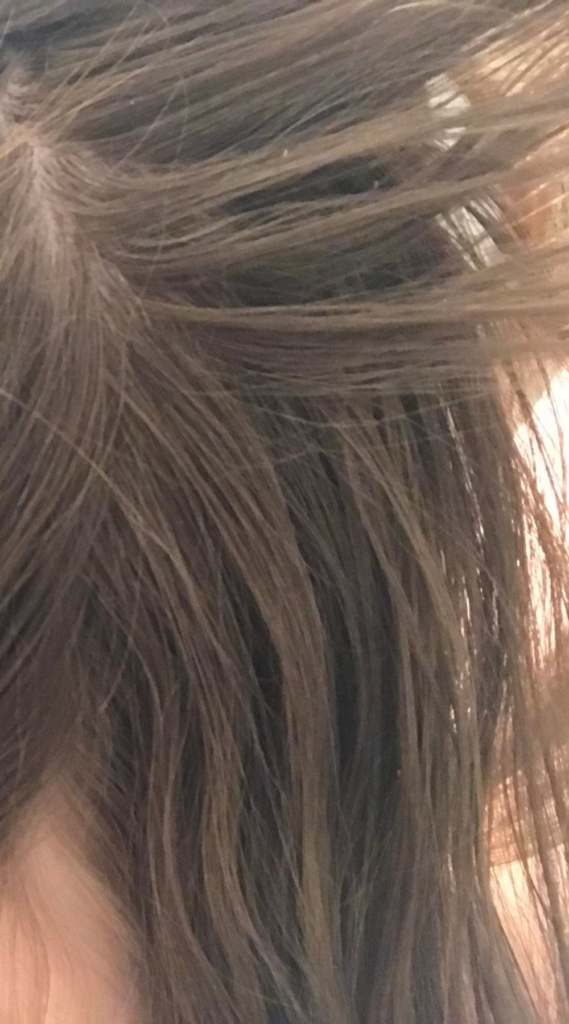
by unknown reddit user
How to Fix Sticky Hair After Washing
Once the cause is identified, the fix becomes straightforward. These are the most effective solutions backed by hair care professionals and dermatologists.
Clarify Your Hair
A clarifying shampoo cuts through layers of product buildup that regular shampoos can’t touch. Using one once a week — or even just once or twice a month for those with drier hair — gives the scalp and strands a genuine reset. Look for formulas specifically labeled “clarifying” or “deep cleansing.”
Switch to a Sulfate-Free Shampoo
Sulfates like sodium lauryl sulfate (SLS) are harsh detergents that strip the scalp aggressively, triggering rebound oil production. Switching to a gentle, sulfate-free shampoo helps regulate oil production over time and reduces stickiness caused by overactive sebaceous glands.
Install a Shower Water Filter
Shower filters designed to reduce mineral content can make a noticeable difference for anyone dealing with hard water. Studies from the International Journal of Dermatology have shown that filtered water improves hair texture and reduces mineral-related buildup significantly. It’s a one-time investment that pays off fast.
Rinse Thoroughly
Add at least 60 additional seconds to the rinse phase after shampooing and conditioning. Make sure water reaches every section of the hair, especially the underlayers near the nape of the neck. That extra rinse time removes far more residue than most people realize.
Use Less Conditioner
Apply conditioner only to the mid-lengths and ends — never the roots or scalp. Use a small amount, about the size of a quarter for medium-length hair, and distribute evenly with a wide-tooth comb before rinsing fully.
Pro Tip: Let conditioner sit for 2–3 minutes before rinsing. This gives it time to work properly with a smaller amount, so there’s no need to over-apply.
Try an Apple Cider Vinegar Rinse
Dilute one to two tablespoons of raw apple cider vinegar (ACV) in one cup of water and pour it through hair after shampooing. ACV has a pH of around 2–3, which helps dissolve alkaline mineral deposits and product residue while balancing the scalp’s natural pH. Rinse it out after two minutes for noticeably smoother, shinier results.
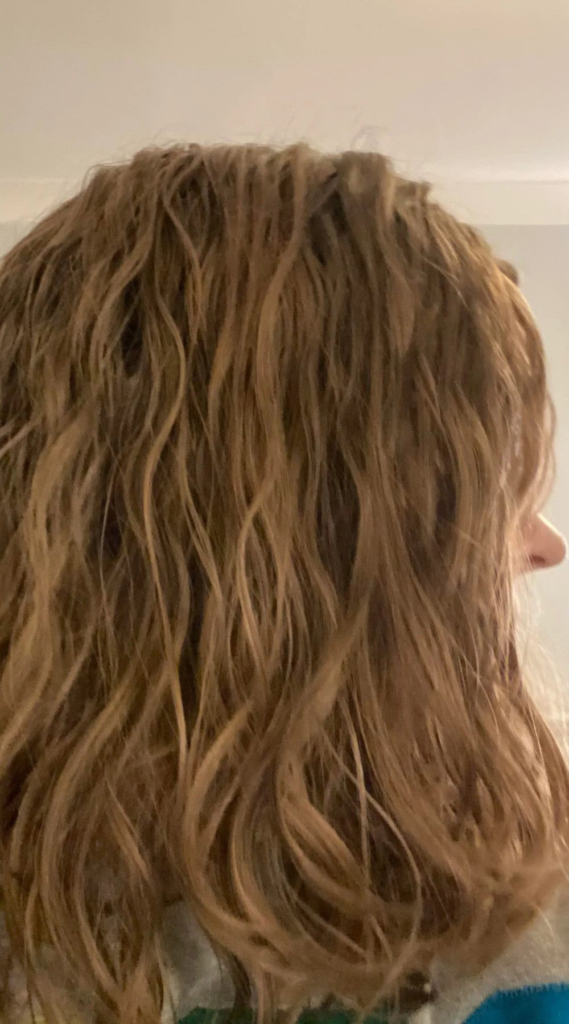
How to Prevent Sticky Hair After Washing
Prevention is easier than correction. A few consistent habits go a long way in keeping hair clean and residue-free after every wash.
Use Lightweight Products
Choose shampoos and conditioners labeled “lightweight,” “volumizing,” or “residue-free.” These formulas are specifically designed to clean effectively without leaving behind heavy coatings. For styling, water-based products are far less likely to cause buildup than oil-based or wax-based alternatives.
Avoid Overwashing
Washing hair every day strips natural oils, which paradoxically leads to more oil production — and stickier hair. Most hair types do well with washing two to three times per week. Fine hair may need slightly more frequent washing, while thick or curly hair often does better with even less.
Deep Clean Regularly
Even with good habits, scalp detox treatments every four to six weeks help clear any residue that accumulates over time. Clay-based masks and charcoal scalp scrubs are particularly effective at drawing out buildup without irritating the scalp.
Brush Before Washing
Brushing hair thoroughly before stepping into the shower loosens debris, distributes natural oils, and detangles strands. This means shampoo makes more even contact with the hair during washing, which leads to a cleaner, more consistent result.
What if Sticky Hair Persists?
If standard fixes haven’t resolved the issue after a few weeks of consistent effort, there may be something deeper going on.
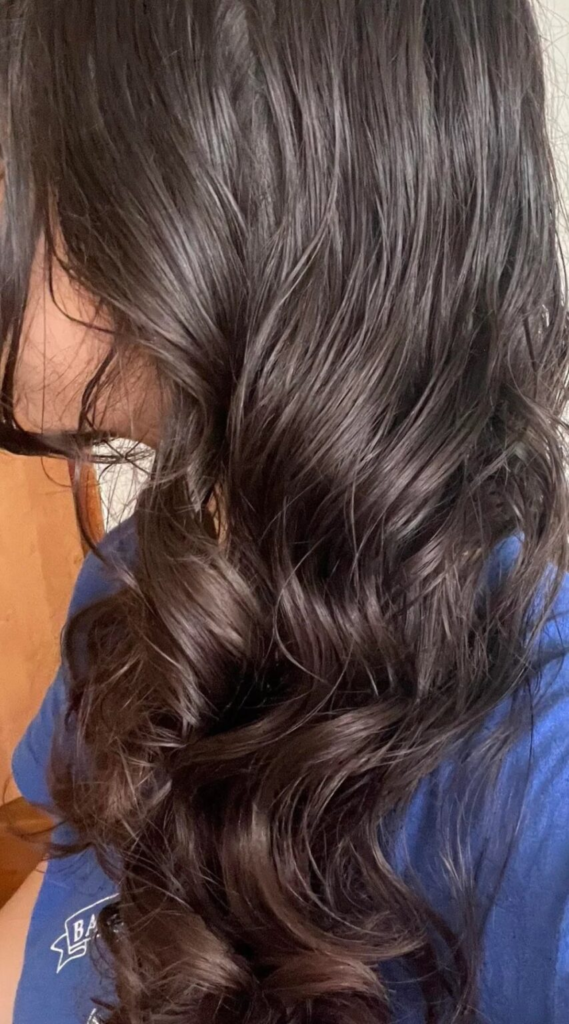
Possible Explanations for Persistent Sticky Hair
Scalp Conditions Seborrheic dermatitis, psoriasis, and chronic dandruff all disrupt the scalp’s oil balance, sometimes leading to persistent greasiness and stickiness that doesn’t respond to regular shampoos.
Shampoo Allergies or Sensitivities Sensitivity to specific preservatives, fragrances, or surfactants in shampoos can cause scalp irritation and unusual residue. Patch testing new products before full use is always a smart precaution.
Hormonal Changes Hormonal shifts — during puberty, pregnancy, menopause, or due to thyroid conditions — directly affect sebum production. This can make hair suddenly behave differently despite no changes in routine.
Next Steps
Consult a Dermatologist A board-certified dermatologist can examine the scalp, identify any underlying skin conditions, and recommend medicated shampoos or targeted treatments. This is the smartest move when the problem doesn’t respond to at-home solutions.
Experiment with Natural Remedies Aloe vera gel applied to the scalp has proven anti-inflammatory properties that can help calm overactive oil glands. Tea tree oil, diluted in a carrier oil, also has proven antifungal and antibacterial effects that address common scalp conditions.
Consider Professional Salon Treatments Some salons offer scalp detox or hair reset treatments that use professional-grade clarifying agents. These can break through even the most stubborn buildup that home treatments can’t touch.
Additional FAQs About Sticky Hair
Why does hair feel sticky after switching shampoos? New shampoos — especially those with heavier formulas — can temporarily throw off the hair’s balance. It may take two to three weeks for the scalp to adjust. If stickiness continues beyond that, the new shampoo likely isn’t the right match for that hair type.
Can sticky hair be caused by overusing dry shampoo? Yes — this is an underrated cause. Dry shampoo works by absorbing oil, but that absorbed oil and starch residue sits on the scalp. Without regular thorough washing, it accumulates into a sticky, pasty layer that regular shampoo alone struggles to remove. Use dry shampoo no more than two days in a row, and follow up with a clarifying wash.
Is sticky hair after washing a sign of damage? Not necessarily, but it’s a signal that the washing routine or product lineup needs adjusting. Damaged hair is more porous and absorbs products unevenly, which can contribute to stickiness. Deep conditioning treatments paired with protein-based hair masks can help restore the hair’s structure over time.
Sticky hair after washing is frustrating, but it’s almost always fixable. With the right shampoo, proper rinsing technique, and a few targeted adjustments to the hair care routine, clean, smooth, and manageable hair is absolutely achievable — every single wash.
Conclusion
Sticky hair after washing is a common problem caused by product buildup, hard water minerals, wrong shampoo choice, overconditioning, poor rinsing habits, and excess oil production.
The fixes are straightforward — use a clarifying shampoo weekly, rinse thoroughly, apply conditioner only on ends, try an apple cider vinegar rinse, and install a shower filter for hard water issues.
Prevention comes down to using lightweight products, avoiding overwashing, deep cleaning regularly, and brushing before showering.
If stickiness persists despite all fixes, underlying causes like scalp conditions, shampoo allergies, or hormonal changes may be responsible — and a dermatologist visit is the smartest next step.
Bottom line — sticky hair is almost always fixable with the right routine, right products, and a little consistency.