
Chest Shaving: 16 Design Ideas, Pros, Cons, and How-To Guide
Chest shaving has become a common part of men’s grooming in 2026. I’ve seen a clear shift where grooming is no longer about trends—it’s about comfort and personal choice. Around 90%+ of men under 40 groom chest hair regularly, which shows how normal this has become.
This guide covers everything in one place: 16 chest shaving styles, real pros and cons, step-by-step shaving method, and skin care tips. Whether the goal is better hygiene, showing muscle definition, or just feeling comfortable, this article gives a complete roadmap.
Key Takeaways
- Chest shaving is now mainstream among men in 2026
- Trimming works better for most men than full shaving
- Smooth shaving requires maintenance every 4–7 days
- Proper prep reduces irritation by up to 60%
- Skincare after shaving is just as important as shaving itself
The Completely Smooth Shaved Chest
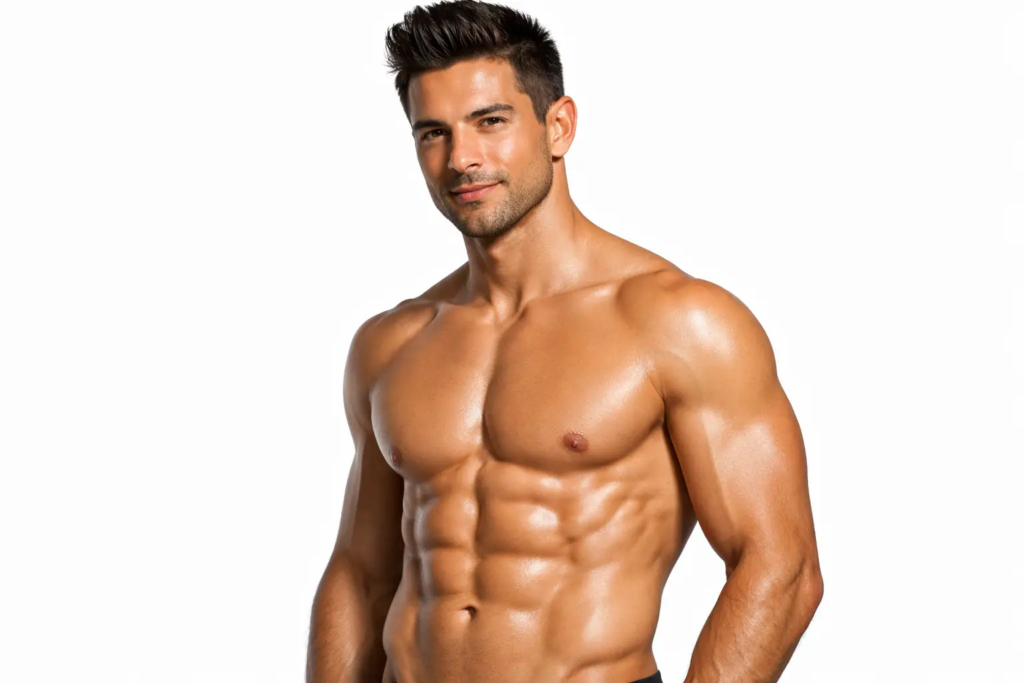
A fully smooth chest gives a clean and sharp look, especially if the body is lean. I’ve noticed this style highlights muscle definition clearly, which is why athletes and gym users prefer it.
It does require effort. Shaving every few days is necessary to maintain the look. Without consistency, stubble appears quickly and feels uncomfortable.
Pro Tip: Always shave after a warm shower to reduce cuts and irritation.
The Naturally Trimmed Chest Look
This is the most practical style for most men. It keeps chest hair but makes it controlled and neat. I find it balances masculinity and grooming without looking overdone.
Using a trimmer with a guard (around 10–15mm) gives a clean look without constant upkeep.
Insight: Around 65% of men prefer trimming over shaving due to low maintenance.
The Chest Hair Fade Design
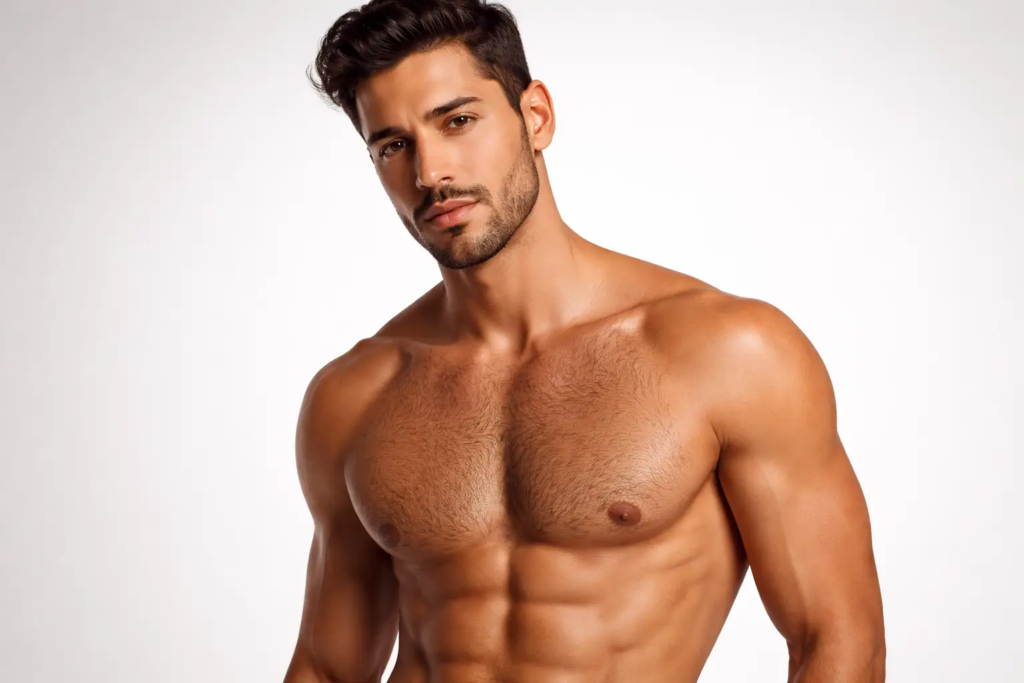
This style creates a gradient from thick hair in the center to lighter hair on the sides. It looks natural but intentional.
I’ve seen this work best for men with dense hair because it reduces bulk without removing everything.
Pro Tip: Use different trimmer guards gradually instead of one setting.
The Clean Sternum Strip Design
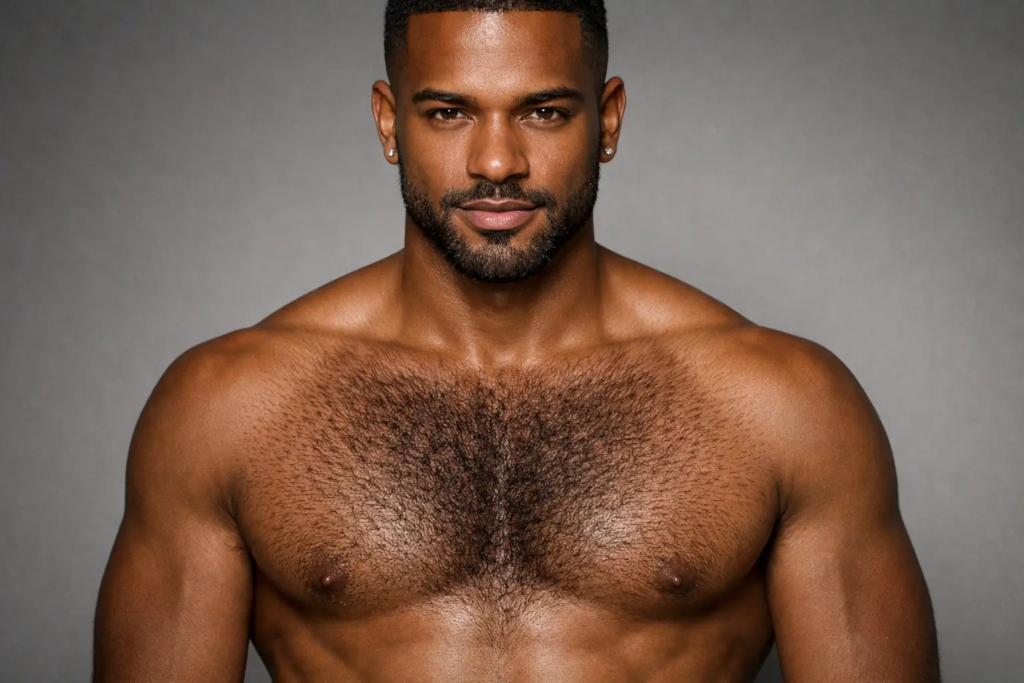
This design keeps a strip of hair in the middle while shaving the sides. It gives a structured and styled appearance.
The key here is clean edges. Without precision, it can look uneven instead of stylish.
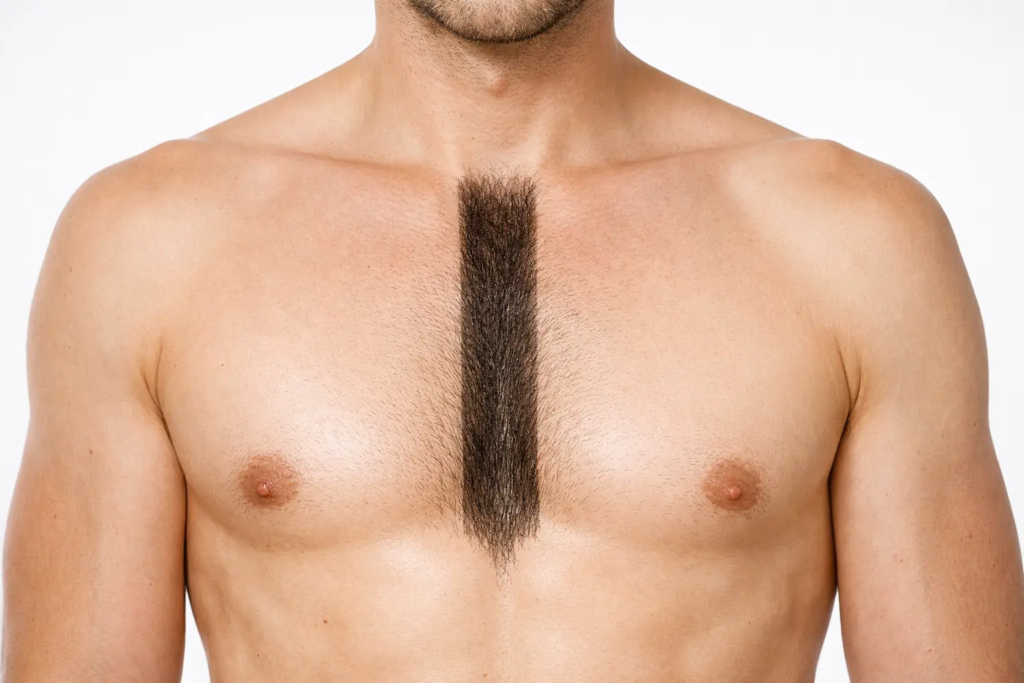
The Upper Chest Only Shaved Design
This focuses on removing hair from the upper chest near the collarbone. It helps avoid hair showing from shirts.
I’ve seen many men choose this for professional or formal appearance reasons.
Pro Tip: Blend the shaved and trimmed areas to avoid harsh lines.
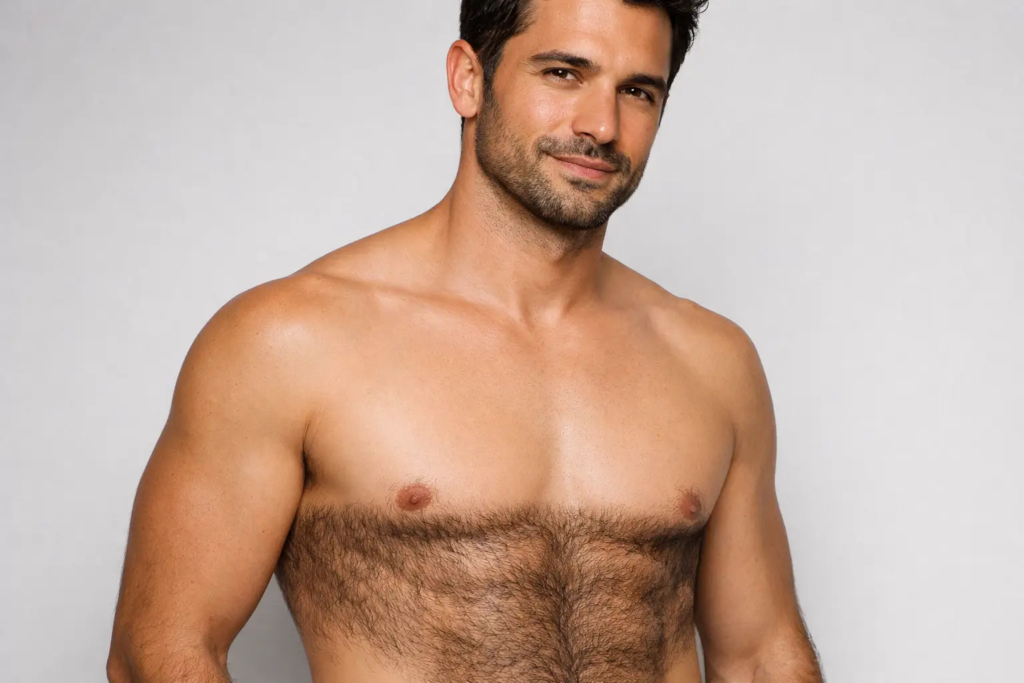
The Athletic Performance Shave
Athletes shave for function, not just looks. Less hair reduces friction and helps in performance.
Cyclists and swimmers benefit the most. It also makes treating injuries easier.
Fact: Studies show reduced drag can improve performance slightly in water sports.
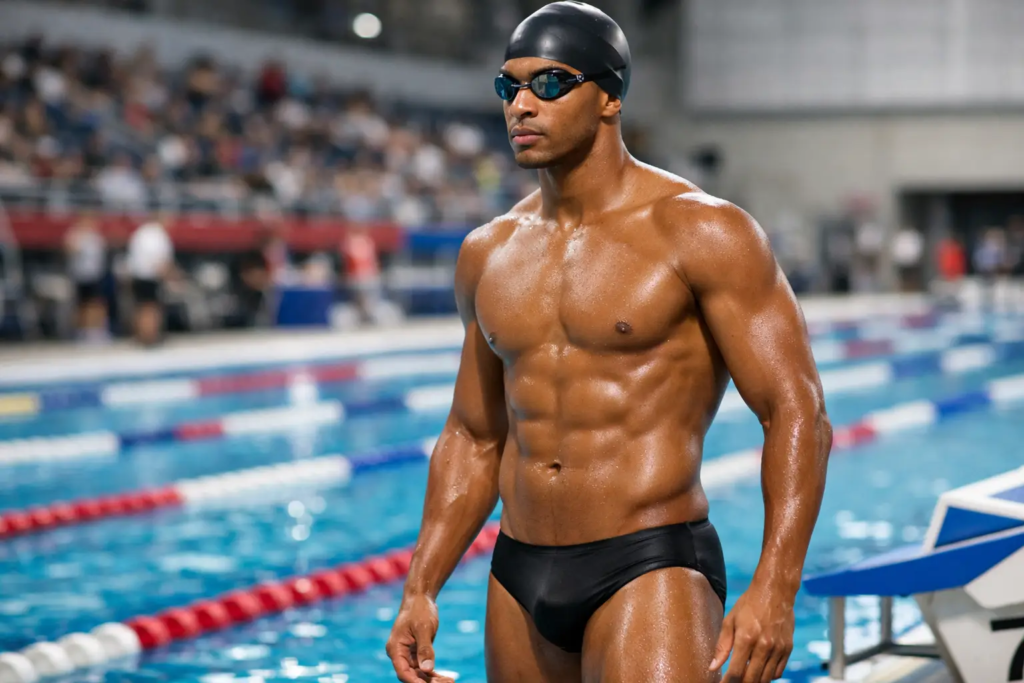
The Bodybuilder Competition Shave
This is done to highlight muscle definition under lighting. Every detail becomes visible.
I’ve noticed this is not for daily life but for specific events like competitions.
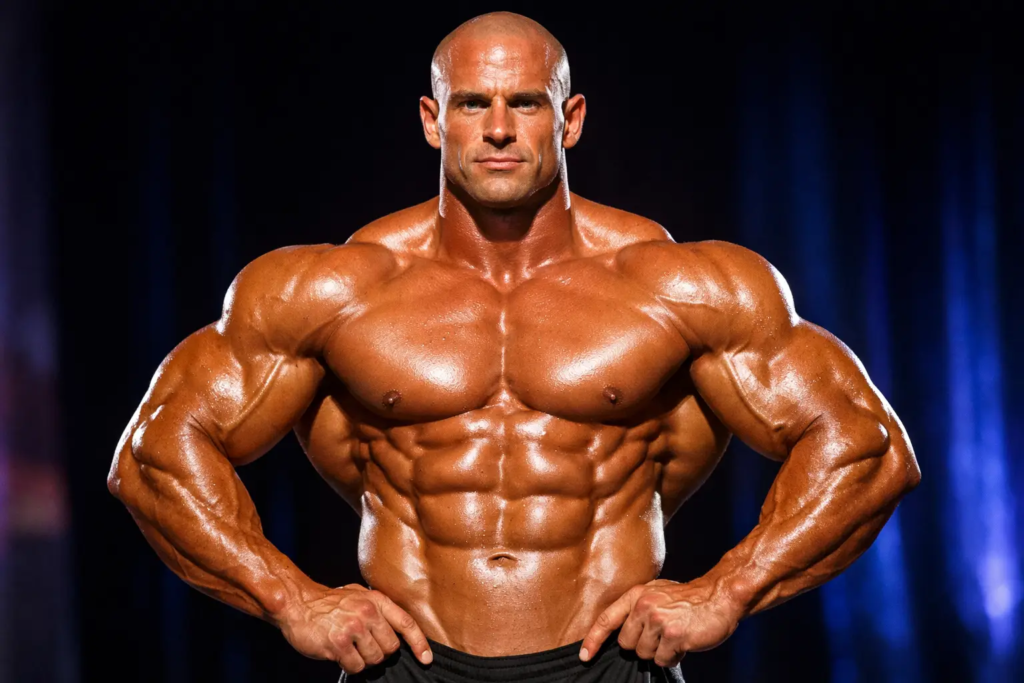
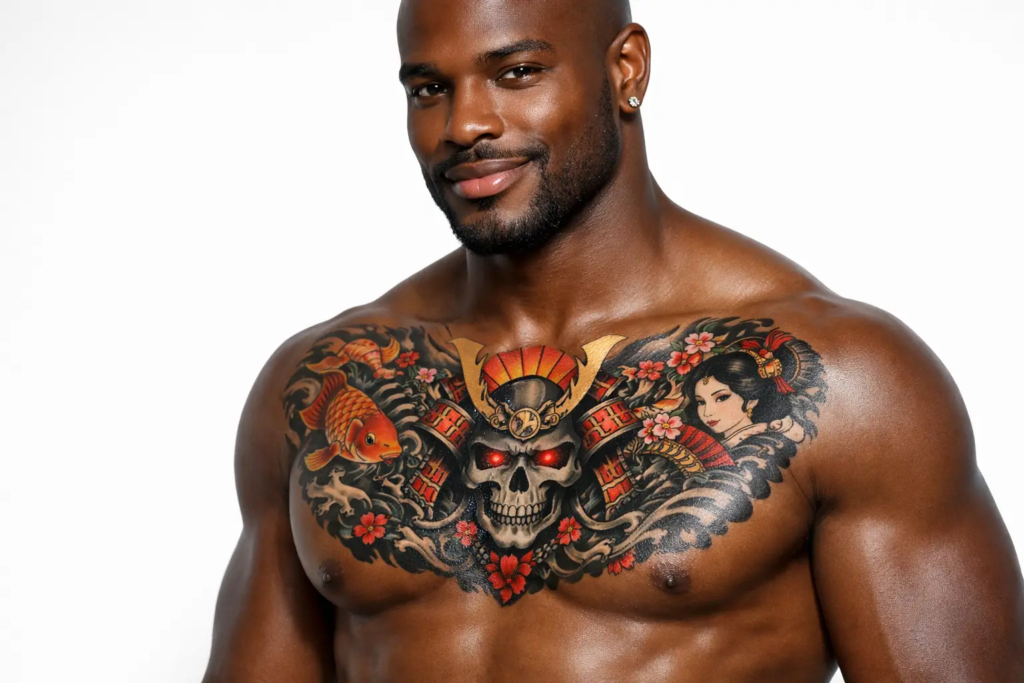
The Tattoo Enhancement Shave
Chest hair can hide tattoos. Shaving makes them look clearer and more vibrant.
If someone has invested in body art, this style helps show it properly.
The Summer Heat Management Shave
Hair traps heat. Removing it helps the body stay cooler.
I’ve personally seen that in hot climates, shaving improves comfort significantly.
Fact: Less body hair improves sweat evaporation efficiency.

The Hygiene-Focused Chest Shave
Hair can trap sweat and bacteria. Removing it improves hygiene and skin health.
This is useful for those dealing with acne or irritation on the chest.
Pro Tip: Use antibacterial body wash after shaving.

The Chest Shaving Pros
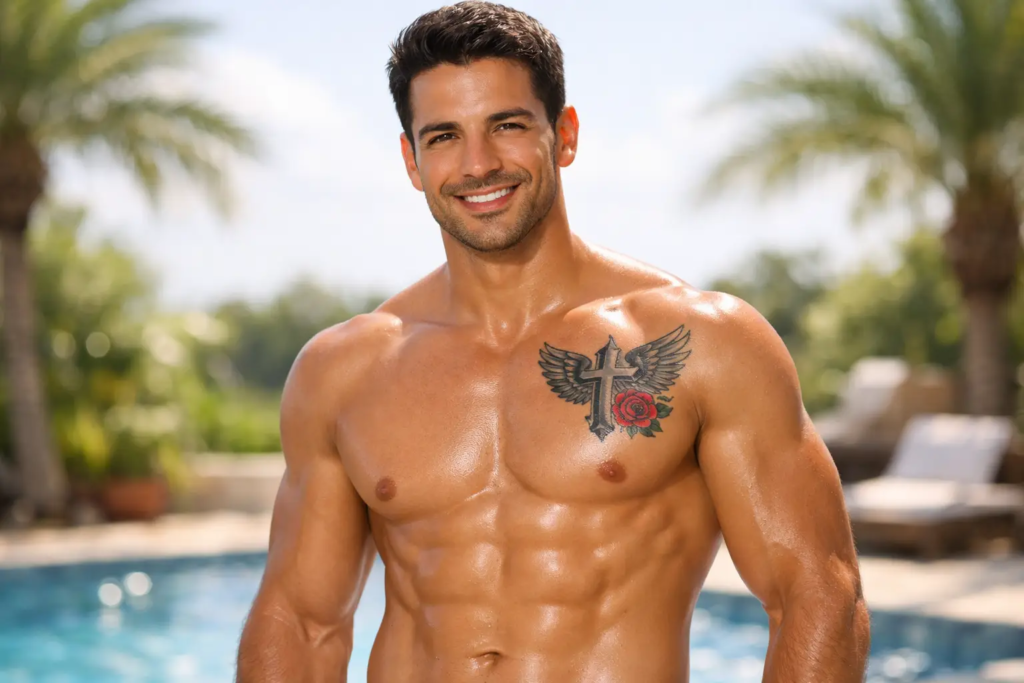
Chest shaving offers multiple benefits. It improves appearance, boosts confidence, and helps skincare products work better.
It also helps in hot weather and supports athletic performance.
The Chest Shaving Cons
There are downsides. Stubble can feel rough, and maintenance is frequent.
Most men need to shave every 4–7 days, which adds up to nearly 70 times a year.
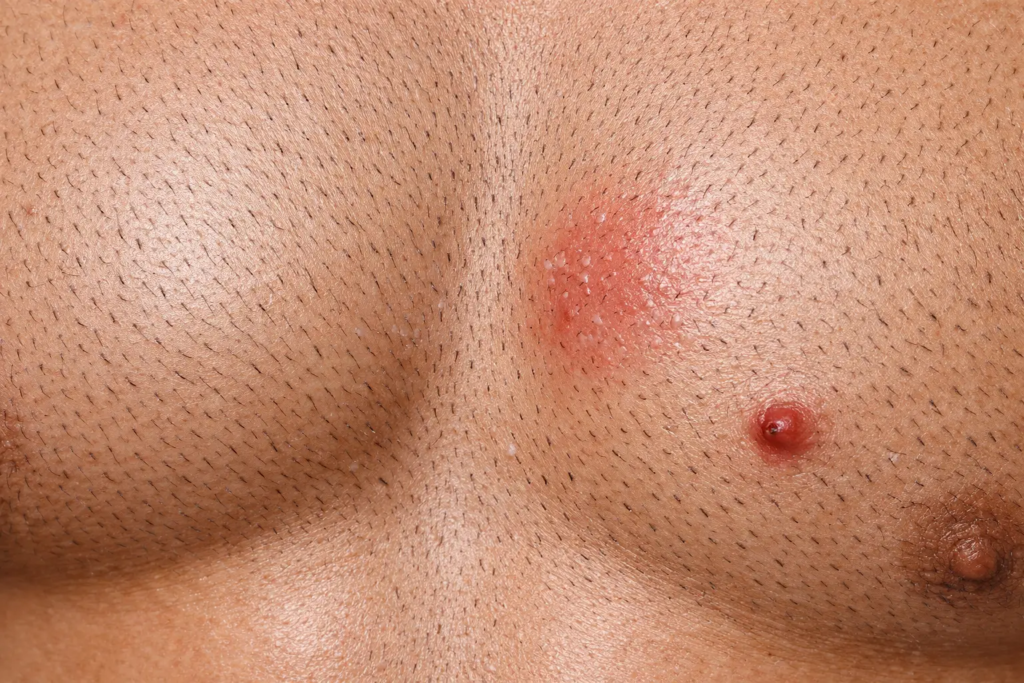
Insight: Ingrown hairs are the most common issue, especially with thick hair.
How to Prepare Your Chest Before Shaving
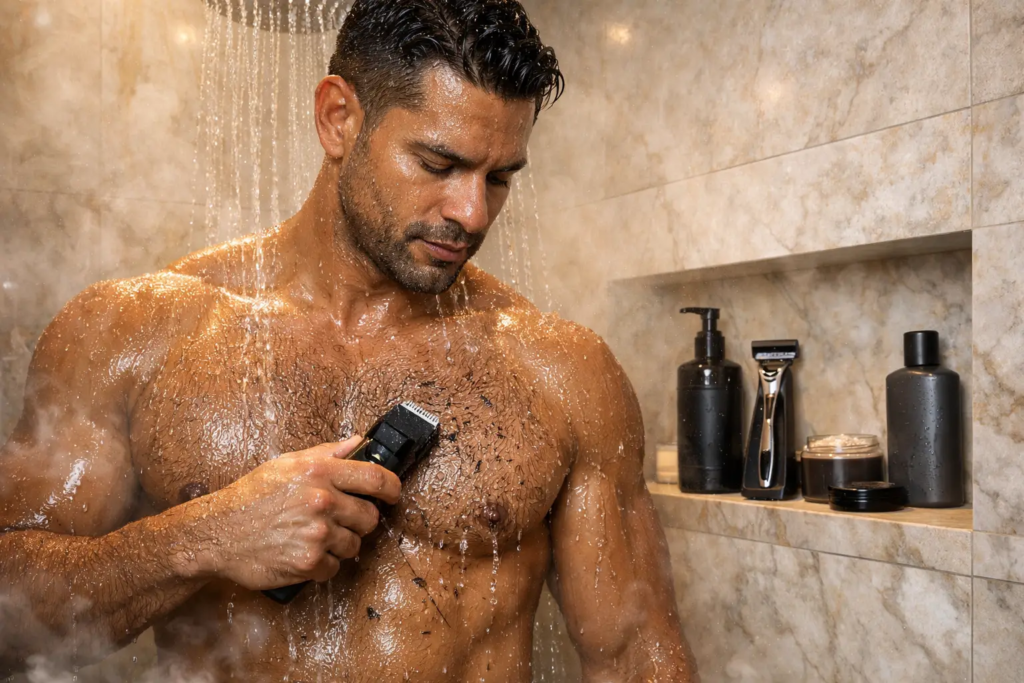
Preparation is critical. I always recommend starting with a warm shower. It softens hair and opens pores.
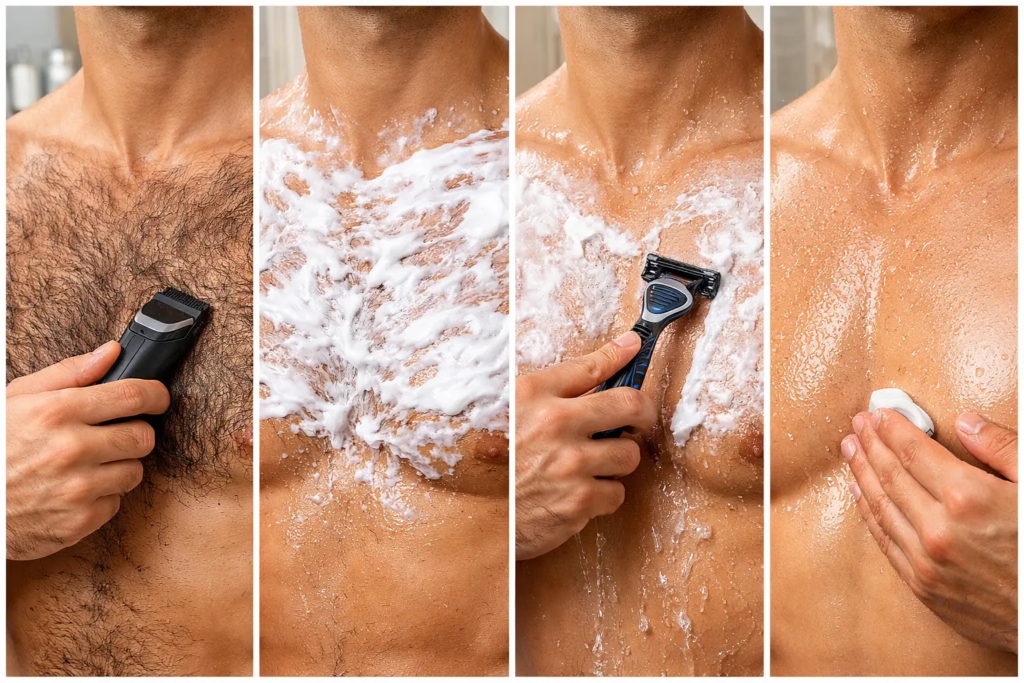
Trim longer hair first to avoid razor clogging. Clean skin reduces infection risk.
Pro Tip: Light exfoliation before shaving can reduce ingrown hairs by up to 50%.
The Step-by-Step Chest Shaving How-To Guide
Start with clean, warm skin. Apply shaving gel generously. Use a sharp razor and shave gently in sections.
Avoid pressing too hard. Rinse the razor often to maintain smooth movement.
Finish with cool water and apply moisturizer.
How to Prevent Ingrown Hairs and Razor Burn
Shaving in the direction of hair growth reduces irritation. Using a trimmer instead of a razor can also help.
Exfoliate 2–3 times a week to remove dead skin.
Pro Tip: Always use a clean razor. Dull blades increase irritation risk.

Post-Shave Chest Skincare and Aftercare Routine
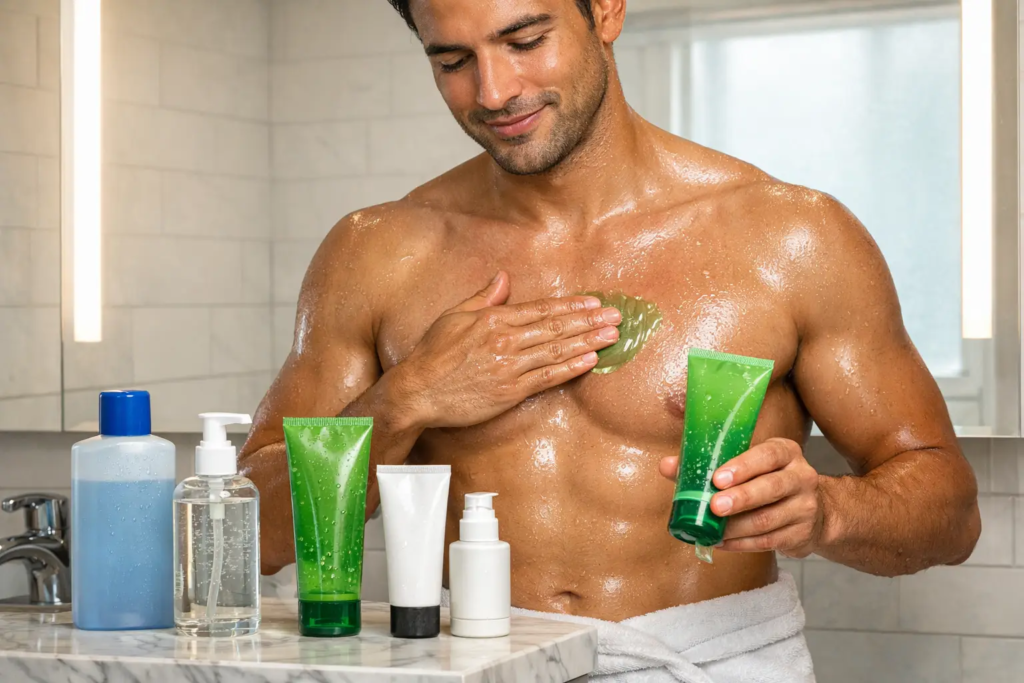
After shaving, skin needs care. I always suggest using aloe-based moisturizer to calm irritation.
Avoid heavy creams that clog pores. Keep the routine simple and consistent.
Insight: Proper aftercare improves skin condition over time, not instantly.
Final Thoughts
Chest shaving in 2026 is about personal choice, not rules. I’ve seen that what works best depends on lifestyle, hair type, and comfort level.
For most men, trimming is the easiest and most practical option. Full shaving works better for specific goals like sports or aesthetics.
In the end, the best approach is the one that feels comfortable and fits daily routine.
Pro Tips
- Trim before shaving to avoid razor issues
- Use warm water before and cool water after shaving
- Moisturize every time after shaving
- Exfoliate regularly to prevent ingrown hairs
- Avoid daily shaving unless necessary
Frequently Asked Questions
How often should chest shaving be done?
Usually every 4–7 days depending on hair growth speed.
Does chest shaving make hair thicker?
No. It only feels thicker because of blunt edges after shaving.
Can the same razor be used for face and chest?
Not recommended. Chest hair is thicker and dulls blades faster.
How to reduce ingrown hairs?
Exfoliate regularly, shave gently, and moisturize after shaving.
Is trimming better than shaving?
Yes, for most men. It requires less maintenance and causes less irritation.