Dry Scalp During Winter: Top Remedies and Prevention Tips
Winter dry scalp remedies-Winter arrives with harsh weather that affects more than just your skin—your scalp suffers too. When temperatures drop and indoor heating kicks in, the air loses moisture, and your scalp follows suit. The itching, flaking, and tightness that develop aren’t something you need to accept as inevitable seasonal suffering.
Research shows that approximately 70% of people experience increased scalp dryness during winter months due to reduced humidity levels. The good news? There are practical, science-backed solutions that work. This comprehensive guide covers everything from understanding what causes winter scalp dryness to implementing effective remedies and long-term prevention strategies.
Key Takeaways:
- Winter dryness results from reduced sebum production combined with environmental factors
- Specific remedies like scalp oils and moisturizing masks provide targeted relief
- Simple prevention methods can eliminate winter scalp issues before they start
- Distinguishing dry scalp from dandruff helps you choose the right treatment approach
Why Your Scalp Gets Dry in Winter
Cold temperatures and indoor heating create the perfect conditions for scalp dehydration. When winter arrives, your body naturally produces less sebum—the protective oil that maintains scalp health and hydration. Without adequate sebum, your scalp becomes vulnerable to irritation, flaking, and persistent itching.
Common aggravating factors include washing with water that’s too hot, shampooing too frequently, and using harsh sulfate-based products. Hot showers feel comforting in winter but actually strip away protective oils faster. Additionally, many people don’t realize that indoor heating systems reduce humidity to as low as 10-20%, compared to the ideal 40-60% range. This environmental shift directly impacts your scalp’s moisture levels.
6 Effective Remedies for Winter Dry Scalp (2026)
1. Deep Conditioning Hair Masks
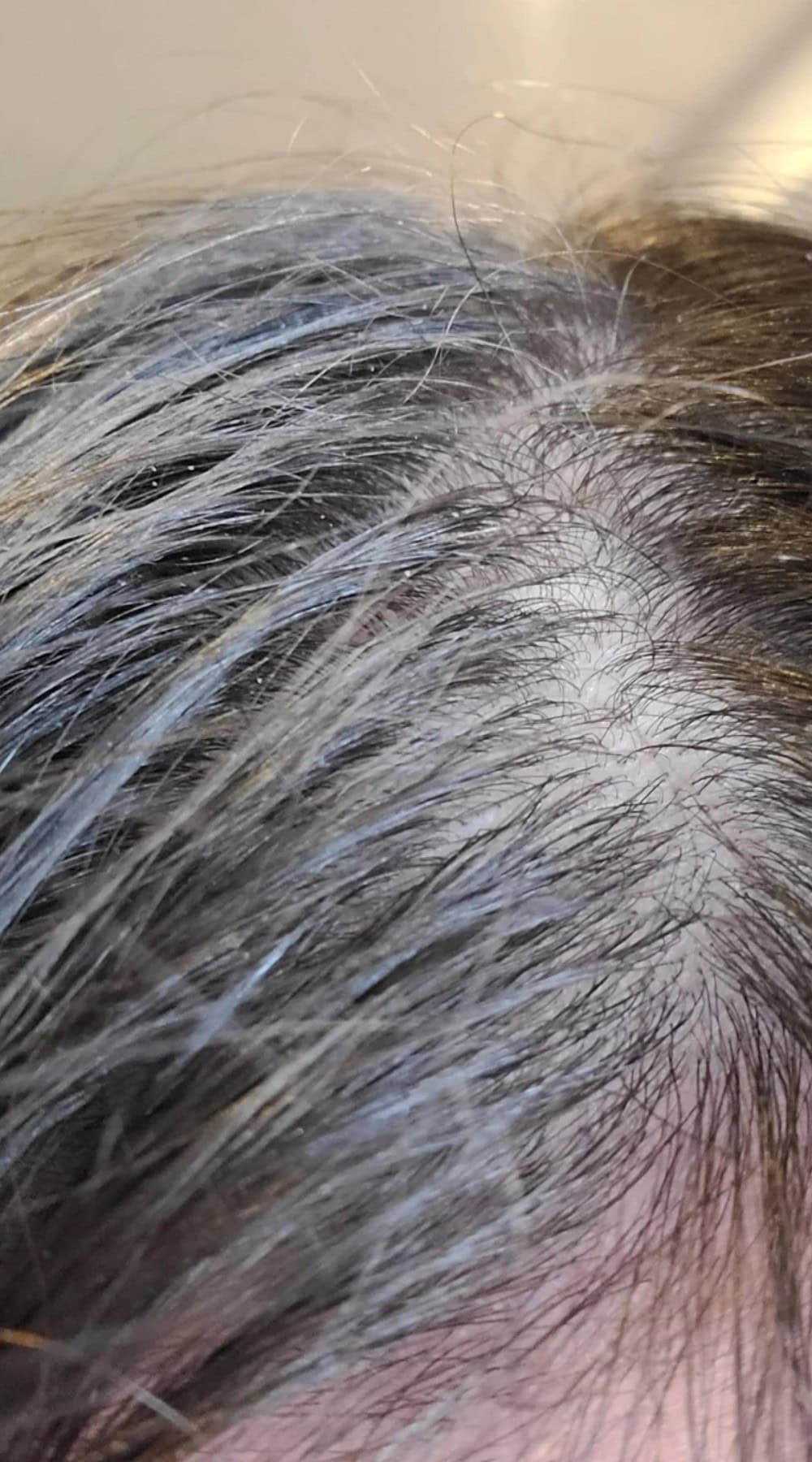
Apply moisturizing masks containing aloe vera, coconut oil, or shea butter once weekly. These natural ingredients penetrate deeply into the scalp, rehydrating the outer layers and restoring your moisture barrier. Leave treatments on for 10-15 minutes to maximize absorption and effectiveness.
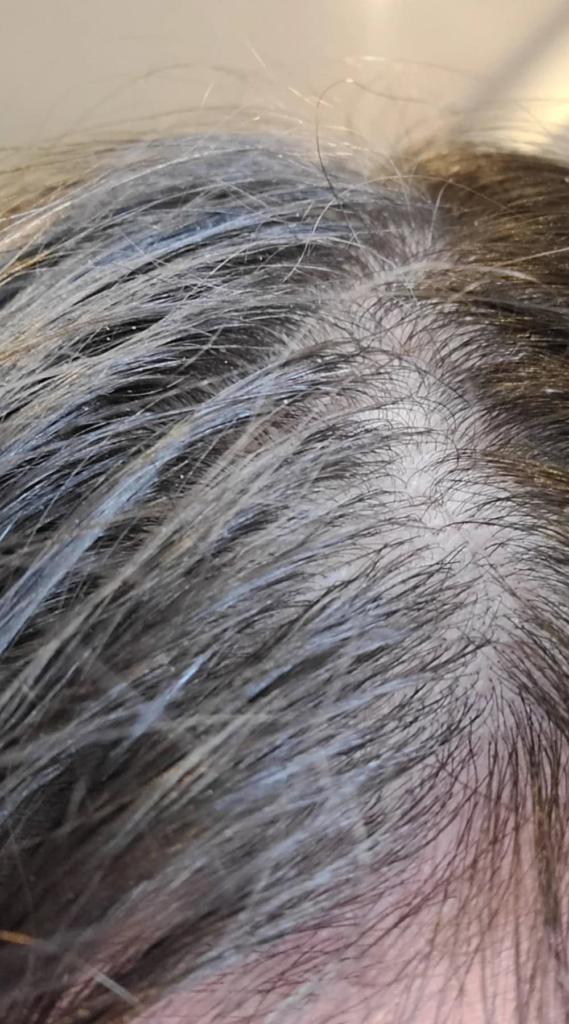
by reddit user Rolling_heads24
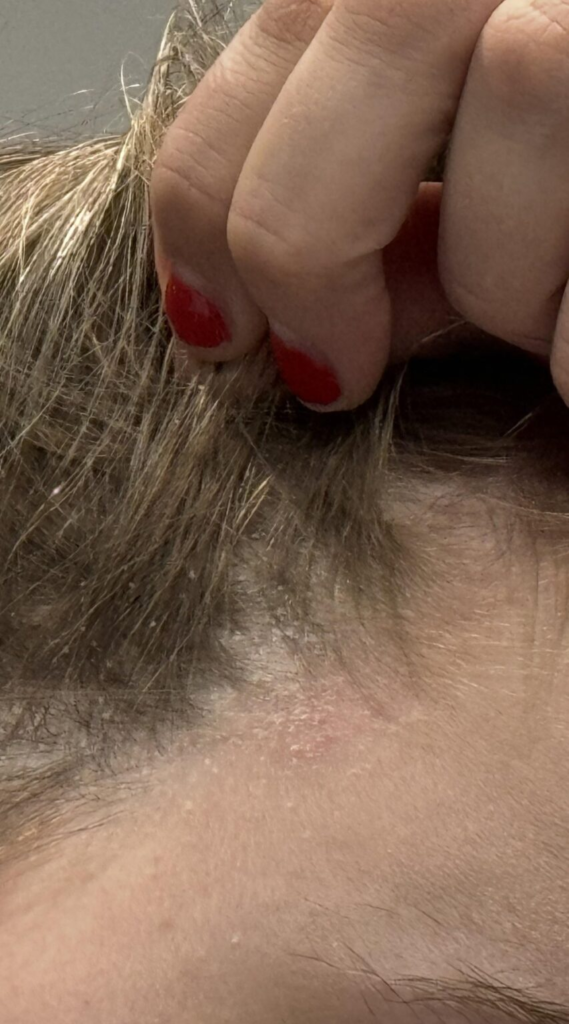
2. Nourishing Scalp Oils
Jojoba, argan, and olive oils restore hydration while promoting blood circulation to the scalp. Warm the oil slightly and massage gently for 3-5 minutes before shampooing. This technique not only soothes irritation but also enhances nutrient absorption in stressed scalp tissue.
3. Switch to Gentle, Sulfate-Free Shampoos
Harsh sulfates strip natural oils and worsen dryness significantly. Sulfate-free formulas clean without compromising your scalp’s protective layer. Look for products specifically labeled as hydrating or soothing to add moisture during each wash.
4. Keep Water Temperature Moderate
Lukewarm water, rather than hot water, prevents additional moisture loss from the scalp. While it might feel less satisfying, warm water effectively removes dirt and product buildup while protecting your natural oils. The difference impacts scalp health substantially over time.
5. Use a Humidifier
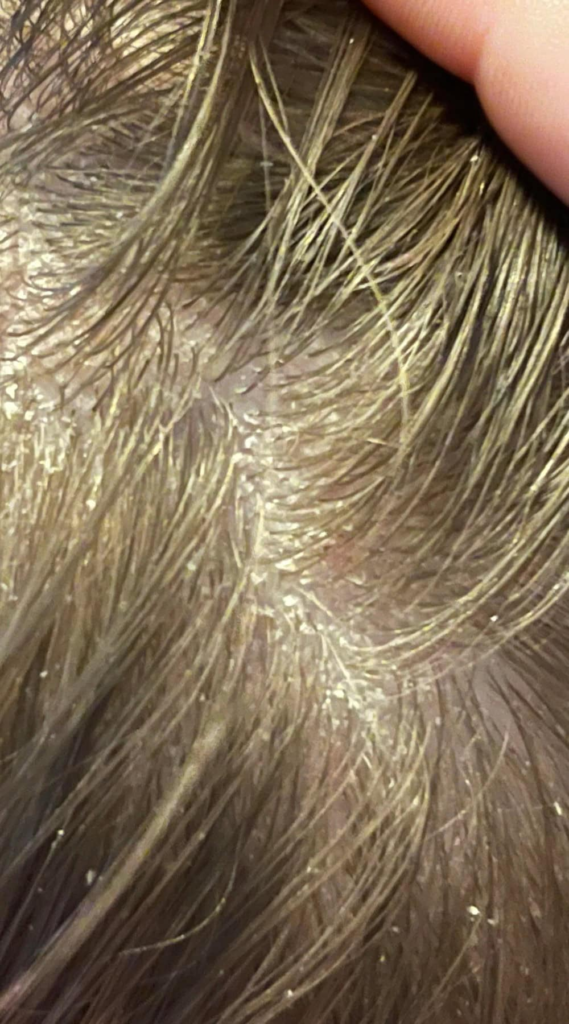
Indoor humidity drops dramatically during winter months, affecting both skin and scalp. Running a humidifier for 6-8 hours daily increases ambient moisture levels, helping your scalp retain hydration. Many people report noticeable improvement within one to two weeks of consistent use.
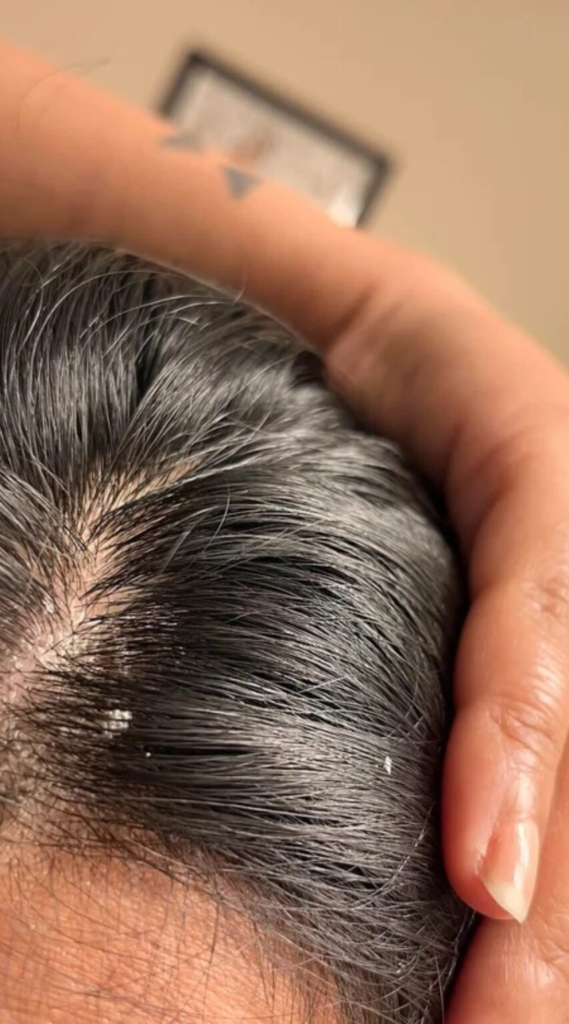
by reddit user Educational_Cookie_9
6. Prioritize Internal Hydration
Drinking adequate water supports your body’s natural oil production, including sebum. Proper hydration helps maintain scalp moisture from within. Aim for 8-10 glasses daily, adjusting for activity level and individual needs.
Preventing Winter Dry Scalp: Long-Term Strategies
Reduce Washing Frequency
Instead of shampooing daily, try every 2-3 days during winter months. This allows natural oils to accumulate and protect your scalp. If you need to rinse, use cool water and skip shampoo to preserve oils while removing sweat or product residue.
Protect Your Scalp Outdoors
Wear hats or scarves when spending time in cold, windy conditions. This simple protective measure shields your scalp from environmental damage and moisture loss. The barrier you create prevents cold air from disrupting your scalp’s natural moisture balance.
Select Alcohol-Free Products
Alcohol dries everything it touches, including your scalp. Check product labels and avoid styling products, leave-in treatments, and conditioners containing alcohol compounds. Hydrating formulas without alcohol maintain moisture while providing styling benefits.
Gentle Scalp Exfoliation
Remove dead skin and product buildup monthly using a soft scalp exfoliant or gentle brush. This process helps moisturizers and oils penetrate more effectively. Avoid aggressive exfoliation, which can cause irritation and worsen dryness.
Dry Scalp vs. Dandruff: Understanding the Difference
Many people confuse dry scalp with dandruff, but they’re distinct conditions requiring different approaches. Dandruff results from yeast overgrowth, while dry scalp simply indicates insufficient moisture. Understanding which condition you have ensures you treat it correctly.
Key differences include:
- Flake appearance: Dandruff produces large, oily flakes; dry scalp creates small, powdery flakes
- Itching intensity: Dandruff itching typically feels more severe due to yeast inflammation
- Scalp texture: Dry scalp feels tight and uncomfortable; dandruff often feels oily
- Persistence: Dry scalp improves with hydration; dandruff requires anti-fungal treatment
If you’re uncertain about your condition, consulting a dermatologist provides professional clarity and targeted treatment recommendations.
Common Winter Scalp Questions Answered
Can stress worsen winter dry scalp?
Yes, stress disrupts your body’s hormonal balance and reduces sebum production. During stressful periods, your scalp becomes more vulnerable to dryness, requiring extra attention to moisture-based remedies and preventive care routines.
Is body lotion suitable for scalp use?
Body lotions contain ingredients that clog hair follicles and scalp pores. Always use products formulated specifically for scalp care to avoid buildup and additional irritation. Scalp-specific formulas balance effectiveness with safety for your hair and skin.
Should you avoid styling products in winter?
You don’t need to eliminate styling entirely. Choose lightweight, alcohol-free products that provide control without compromising hydration. Many modern formulas now prioritize scalp health while delivering styling performance.
Final Thoughts
Winter dry scalp doesn’t have to become your seasonal reality. By understanding the causes, implementing targeted remedies, and following prevention strategies, you can maintain a healthy, comfortable scalp throughout the coldest months of 2026. Consistency matters more than complexity—simple adjustments to your routine often produce the most significant results. Start with one or two remedies that fit your lifestyle, then gradually incorporate additional strategies as needed.