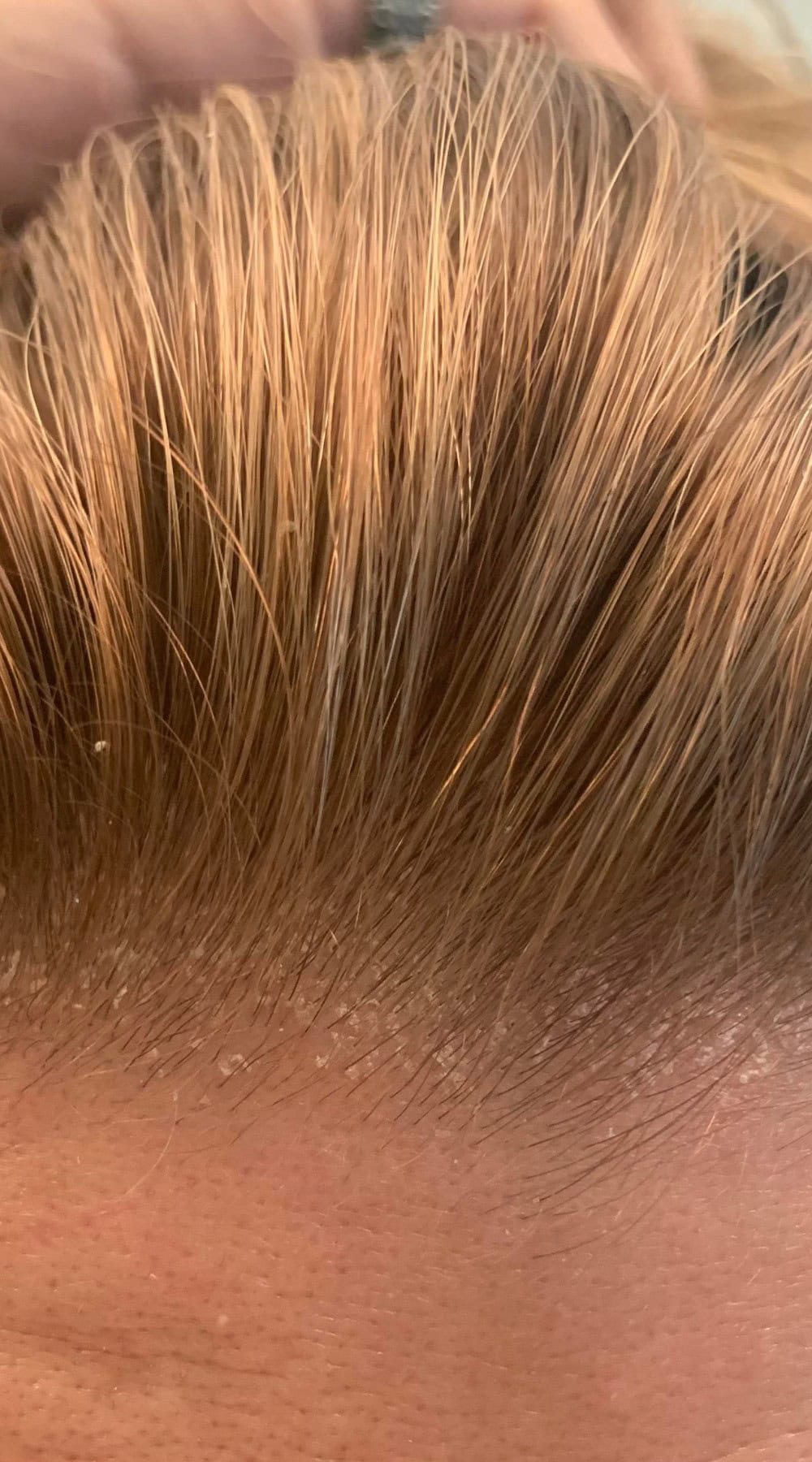
Itchy Scalp After Hair Coloring: Causes and Soothing Remedies
Dealing with an itchy scalp after hair coloring is more common than most people expect. From personal experience and research, it usually comes down to chemical sensitivity, dryness, or poor aftercare. Around 35–45% of users report mild irritation after dyeing, especially with permanent dyes.
This guide breaks down the real causes, quick remedies that actually work, and practical prevention steps. It also covers when the issue may need medical attention. The goal is simple—help keep the scalp healthy while still enjoying hair color in 2026.
Key Takeaways
- Most itching comes from chemicals like PPD, ammonia, and peroxide
- A dry scalp is one of the biggest hidden triggers
- Simple rinsing and hydration fixes up to 60% of mild cases
- Patch testing reduces allergic reaction risk significantly
- Waiting 4–6 weeks before recoloring helps prevent repeat irritation
Why Does Itchy Scalp Happen After Hair Coloring?
From what I’ve seen, the main trigger behind itchy scalp after hair coloring is the chemical composition of dyes. Ingredients like ammonia and PPD can disturb the scalp barrier, making it more reactive.
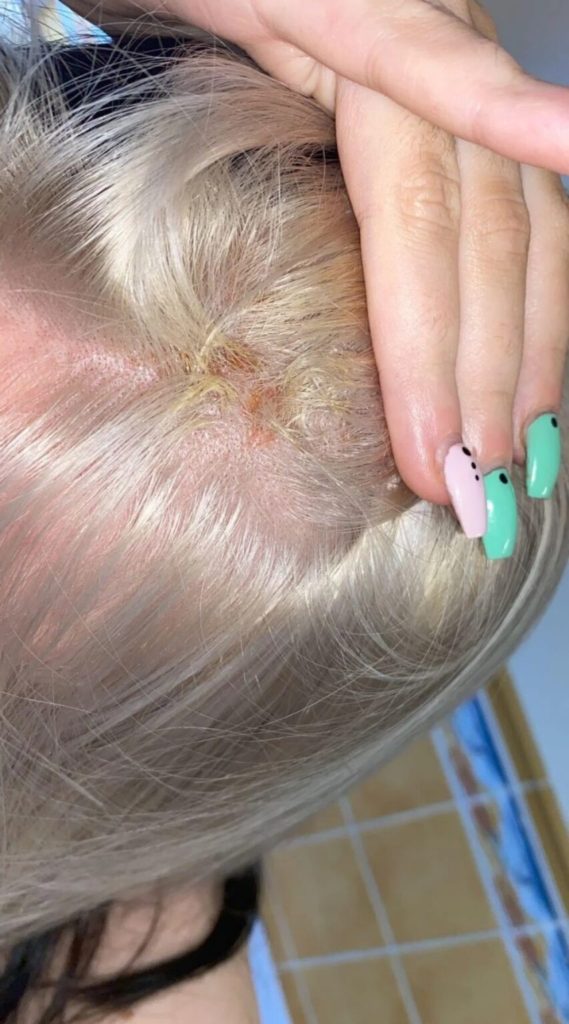
Another issue is allergic reactions. Even if hair dye worked fine before, the body can develop sensitivity over time. Signs like redness or swelling usually point toward allergy rather than simple irritation.
Dryness also plays a big role. Hair dyes strip natural oils, and studies show moisture loss can increase scalp sensitivity by up to 40%. This makes itching worse, especially for already dry skin types.
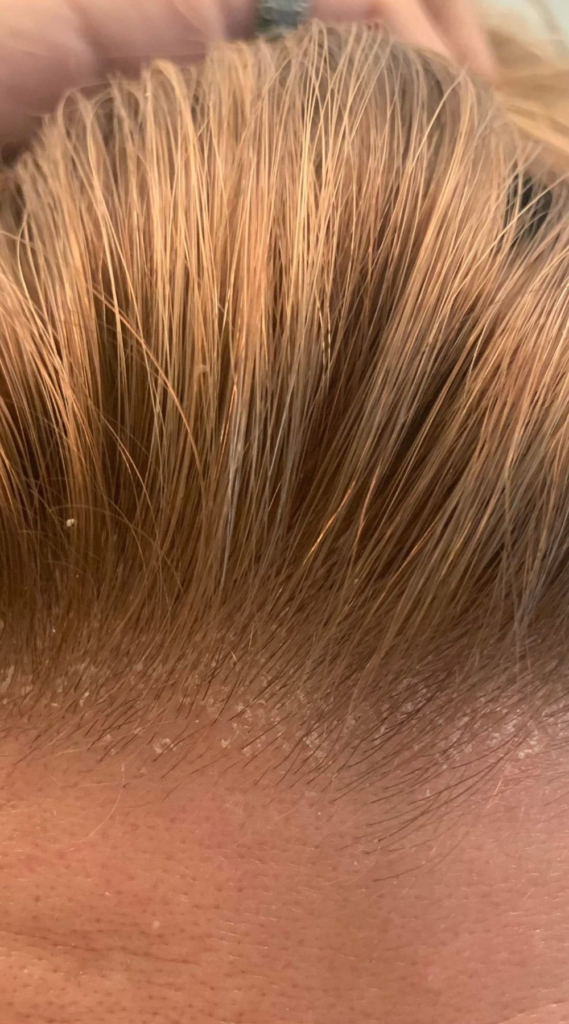
Over-processing is another mistake. Leaving dye longer than recommended or using strong formulas weakens the scalp. I’ve noticed this is one of the most avoidable causes.
Lastly, poor aftercare adds to the problem. Skipping conditioner or using harsh shampoos right after coloring often leads to irritation building up over time.
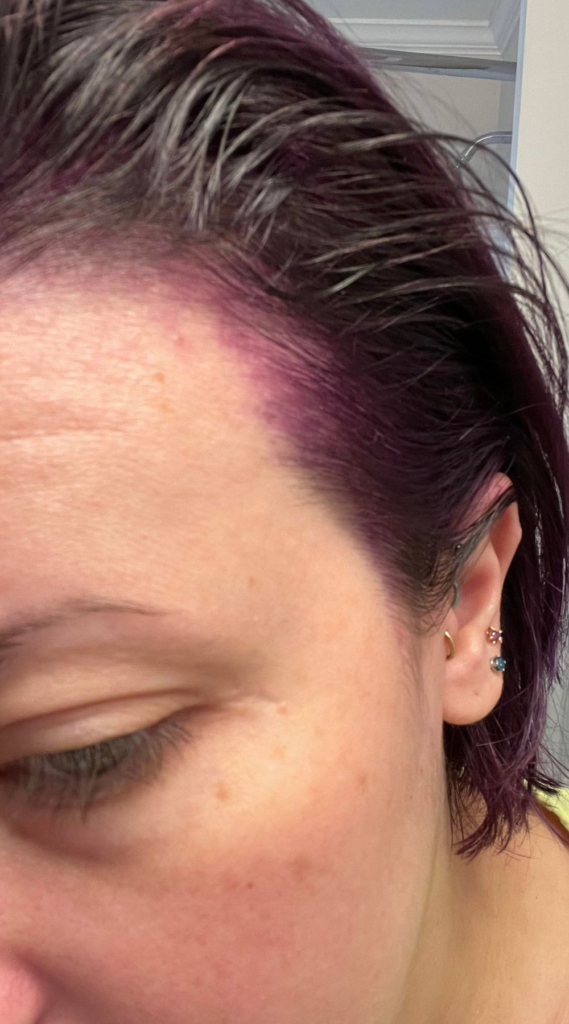
How to Soothe an Itchy Scalp After Hair Coloring
1. Rinse Thoroughly
The first thing that helps is washing out every bit of dye. Leftover residue is a common reason itching continues even after coloring is done.
Pro Tip: Rinse for at least 3–5 minutes longer than usual to remove hidden buildup.
2. Use a Gentle Shampoo
Switching to a sulfate-free shampoo makes a noticeable difference. It helps maintain moisture instead of stripping it further.
3. Apply a Soothing Treatment
Natural options like aloe vera or coconut oil work well. I’ve found they calm irritation within 15–20 minutes.
Fact: Aloe vera has anti-inflammatory properties that can reduce irritation by up to 30%.
4. Hydrate Your Scalp
Hydration is often overlooked. Using oils like argan or products with hyaluronic acid helps restore balance quickly.
5. Take an Antihistamine
If itching feels intense or unusual, it might be an allergic reaction. In such cases, antihistamines can help—but only short-term.
6. Avoid Heat Styling
Heat tools can make things worse. Giving the scalp a break speeds up recovery.
7. Patch-Test Future Dyes
This step is simple but effective. Patch testing can prevent most allergic reactions before they even start.
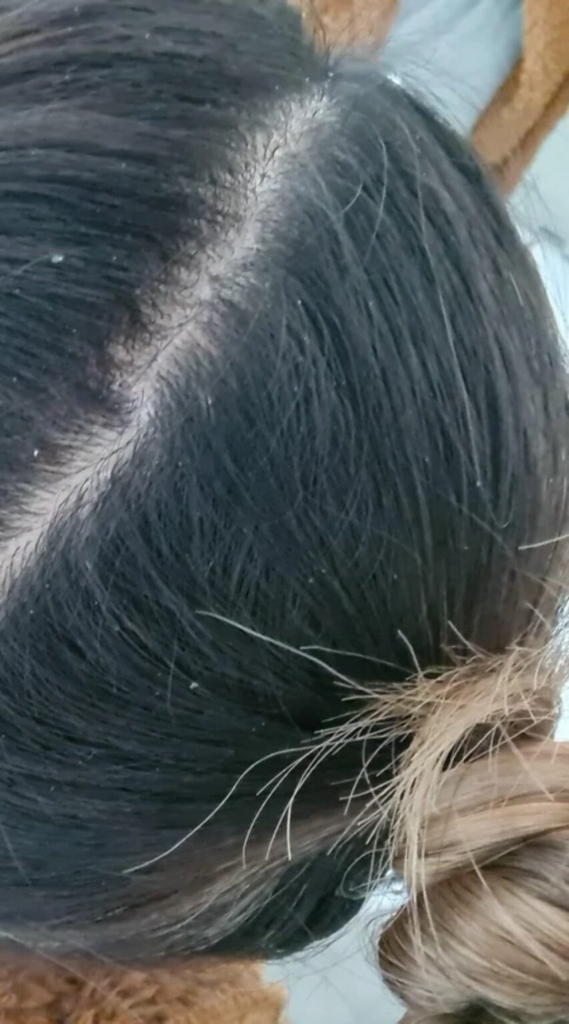
Preventing Itchy Scalp After Hair Coloring
1. Choose Ammonia-Free & PPD-Free Dyes
Gentler formulas reduce irritation risk significantly. Many newer 2026 products focus on low-chemical blends.
2. Don’t Skip the Patch Test
Even regular users should test every time. Sensitivity can change over months or years.
3. Prep Your Scalp
Keeping the scalp moisturized before coloring helps protect it. Avoid washing hair right before dyeing so natural oils stay intact.
4. Follow Instructions Carefully
Over-processing is a common mistake. Sticking to the recommended time prevents unnecessary damage.
5. Invest in Professional Coloring
If irritation keeps happening, going to a professional can reduce risks. Experts adjust formulas based on hair type.
What if My Itchy Scalp Persists?
If itching doesn’t improve after a few days, it might be something more serious. Conditions like dermatitis or infections can develop if ignored.
From experience, persistent irritation should not be treated at home for too long. A dermatologist can identify the exact cause faster.
Is It an Allergy or Just Irritation?
Allergic reactions usually show stronger symptoms like swelling, redness, or even blisters. Irritation, on the other hand, stays mild and mostly involves dryness or itching.
When unsure, it’s safer to treat it as an allergy and seek medical advice.
Is It Safe to Dye My Hair Again After Scalp Irritation?
Jumping back into coloring too soon is not a good idea. The scalp needs time to fully recover before another chemical process.
How long should I wait before coloring again?
Waiting 4–6 weeks is generally safe. This allows the scalp barrier to rebuild properly.
What ingredients should I avoid next time?
Avoid ammonia, PPD, and strong bleaching agents. These are the most common irritants.
Should I see a dermatologist before coloring again?
If there was a strong reaction, getting professional advice is a smart step. It helps prevent repeating the same issue.
Pro Tips (From Experience + Research)
- Always apply a protective oil layer before dyeing
- Avoid scratching—this can worsen irritation and cause infection
- Use cool water instead of hot water after coloring
- Look for labels like “dermatologically tested” or “sensitive scalp safe”
Final Thoughts
Managing itchy scalp after hair coloring comes down to understanding triggers and making small changes. In most cases, simple steps like better rinsing, hydration, and using gentler products solve the issue.
With the right approach, it’s completely possible to enjoy hair coloring without dealing with discomfort. Taking care of the scalp first always leads to better, longer-lasting results.