Why Is My Hair Shedding More Than Usual? Uncover the Causes and Solutions
why is my hair shedding more than usual Noticing extra hair on the brush or shower floor can feel stressful. I’ve seen how common this concern is, especially when shedding suddenly increases.
The truth is, hair shedding in 2026 is often linked to stress, hormones, diet, or temporary conditions like seasonal changes. In most cases, it’s not permanent.
This guide breaks down real causes, what actually matters, and practical steps that work. I’ll also share key facts, common myths, and pro tips so you can handle shedding with clarity instead of panic.
Key Takeaways
- Losing 50–100 hairs daily is normal
- Stress and hormones are top triggers in 2026
- Nutrient deficiencies (iron, vitamin D, protein) play a big role
- Most shedding is temporary and reversible
- Sudden or extreme shedding needs medical attention
- Fixing the root cause usually restores healthy growth
Why Is My Hair Shedding More Than Usual?
I’ve learned that hair naturally goes through cycles — growth, rest, and shedding. So some hair fall is expected.
But when shedding feels excessive or sudden, it usually means something has disrupted that cycle. One major cause I’ve seen repeatedly is stress.
When the body is under stress, more hair shifts into the resting phase. This condition, known as telogen effluvium, can increase shedding by up to 30%–50% compared to normal levels.
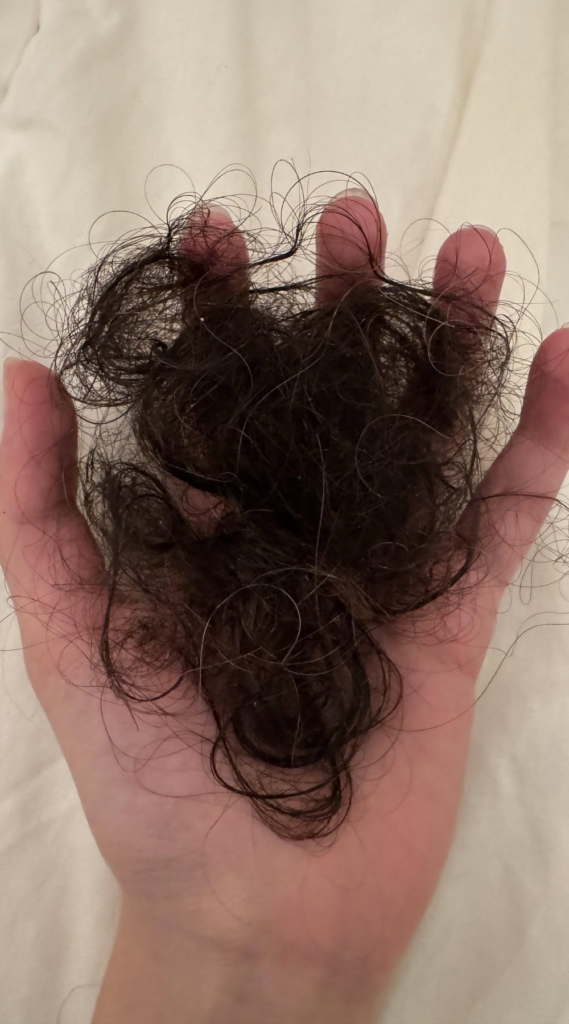
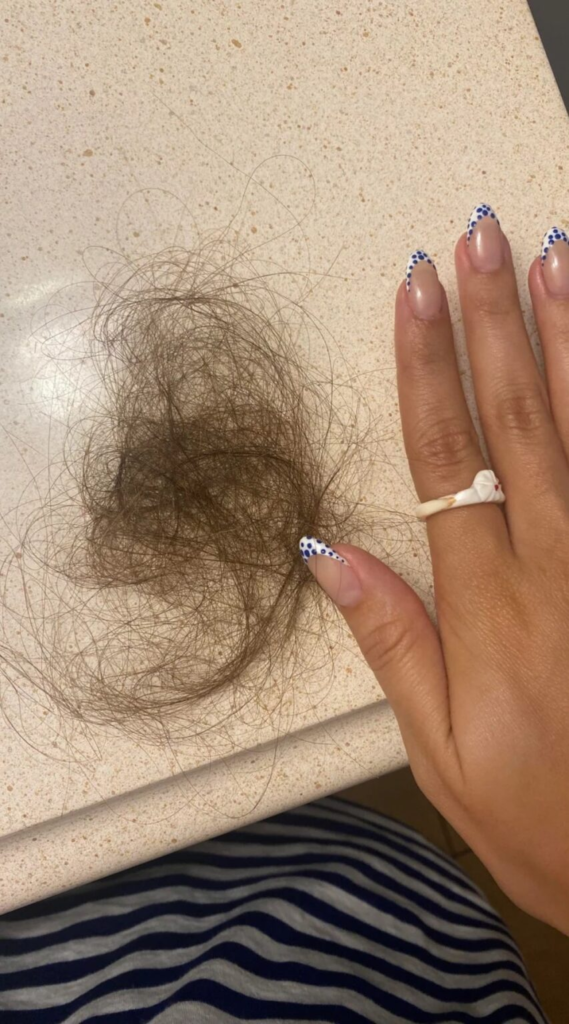
by reddit user Content-Gold-2828
Hormonal shifts are another big factor. Pregnancy, postpartum, or menopause can trigger noticeable hair fall due to sudden hormone changes.
Diet also matters more than most people think. Studies show that iron deficiency alone affects nearly 30% of women globally, and it’s strongly linked to hair shedding.
Seasonal changes can also play a role. Some people notice more hair fall in autumn due to reduced sunlight exposure.
In some cases, medical issues like thyroid imbalance or scalp infections may be behind the problem. That’s why identifying the cause early makes a big difference.
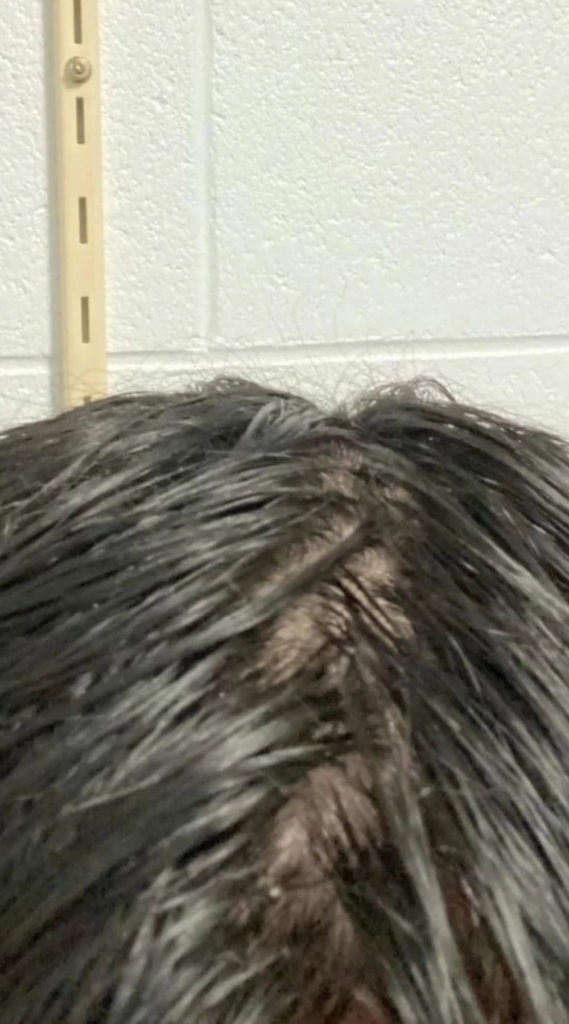
by reddit user Far-Recording-1251
How to Minimize Hair Shedding and Support Growth
Once I understand the cause, managing shedding becomes much easier.
If stress is the issue, simple habits help more than expected. Regular sleep, light exercise, and even 10–15 minutes of relaxation daily can reduce shedding over time.
For hormonal issues, it’s better to consult a healthcare provider. Hormone-related shedding often stabilizes once levels return to normal.
Nutrition is where I’ve seen the fastest improvements. A balanced diet with protein, iron, and omega-3s supports stronger roots. Foods like eggs, spinach, fish, and nuts are especially helpful.
Supplements like biotin or collagen may help, but I always recommend checking with a doctor first to avoid unnecessary intake.
Scalp care also plays a key role. Keeping the scalp clean and hydrated supports healthy follicles. Harsh shampoos can weaken hair over time, so gentle products are a safer choice.
If a medical condition is involved, treating the root issue usually reduces shedding significantly within a few months.
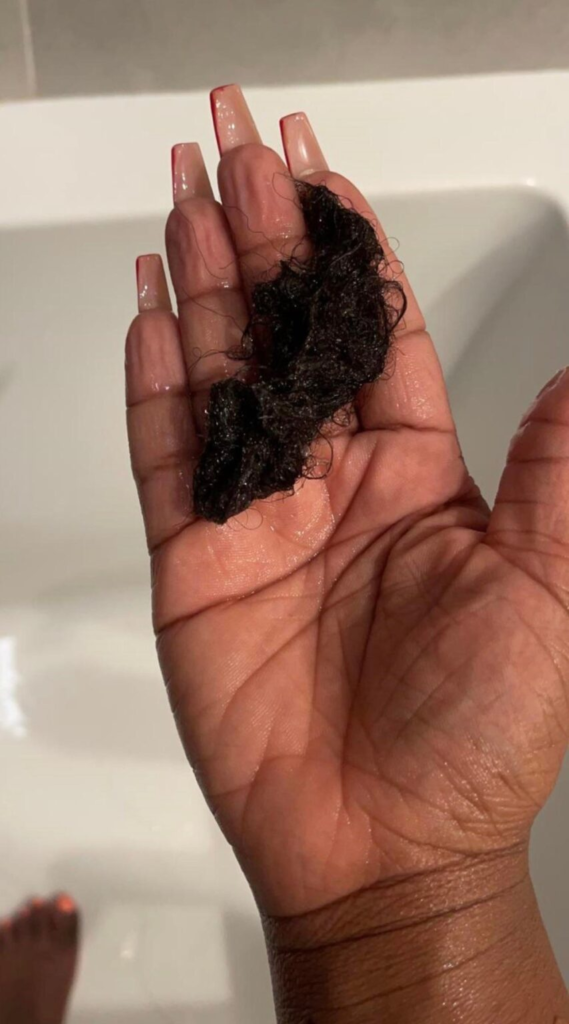
by reddit user Dull_Anxiety2596
Pro Tips
- Avoid tight hairstyles that pull on roots
- Limit heat styling to reduce breakage
- Use a wide-tooth comb on wet hair
- Track shedding patterns for 2–3 months
What Are Common Myths About Hair Shedding?
I’ve noticed a lot of confusion around hair shedding, so clearing myths really helps.
Myth 1: Shedding means permanent hair loss
This isn’t true. Most shedding is temporary and reversible. Permanent hair loss usually involves follicle damage, which is a different condition.
Myth 2: Washing hair causes shedding
Washing doesn’t cause hair fall. It only reveals hair that was already ready to shed.
Myth 3: Brushing less prevents shedding
Avoiding brushing doesn’t stop shedding. It only delays it, which can make hair fall look worse later.
Understanding these myths can prevent unnecessary stress and wrong decisions.
How Do You Know If Shedding Is a Sign of Something Serious?
From what I’ve seen, most shedding is harmless. But there are clear signs when it needs attention.
If hair fall is sudden, severe, or lasts more than 3–4 months, it’s worth checking.
Other warning signs include:
- Itching or burning scalp
- Redness or pain
- Visible thinning patches
These symptoms may point to underlying conditions that need proper diagnosis.
FAQs
Is hair shedding normal after pregnancy?
Yes, postpartum shedding is very common. It usually peaks around 3–4 months after delivery and settles within a year.
Can medications cause hair shedding?
Yes, certain medicines like antidepressants or blood pressure drugs can trigger shedding. A doctor can help adjust treatment if needed.
How much hair shedding is normal?
Losing around 50–100 hairs daily is considered normal. Anything consistently higher may need evaluation.
Final Thoughts
Hair shedding can feel alarming, but in most cases, it’s temporary and manageable. I’ve found that understanding the cause makes everything easier to handle.
With the right approach — better nutrition, stress control, and proper care — shedding often improves within a few months.
If something feels off or doesn’t improve, getting expert advice early can save time and worry.
The goal isn’t just stopping hair fall, but supporting long-term healthy growth.